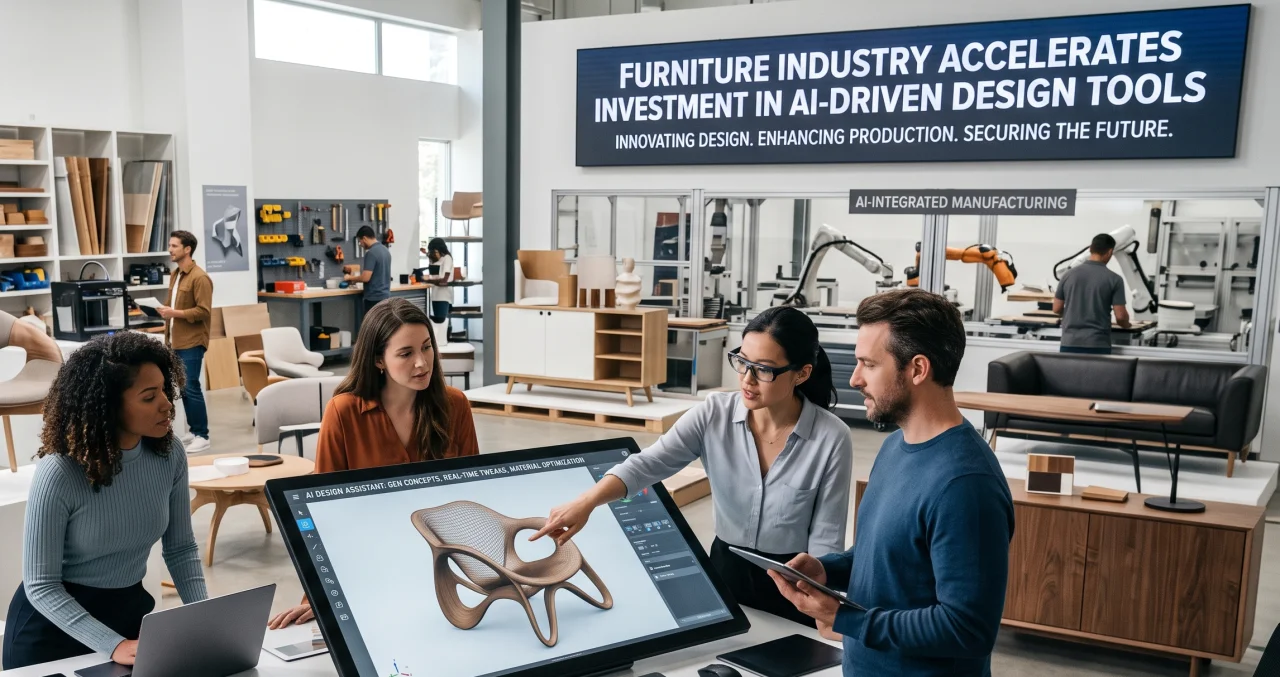
The global furniture industry is entering a new phase of digital transformation as manufacturers increasingly adopt artificial intelligence (AI) throughout the design and production process. Companies are investing in AI-powered software to shorten product development cycles, improve manufacturing efficiency, and provide more personalized solutions for customers.
Industry experts believe AI is becoming an essential tool rather than an experimental technology, particularly as consumer demand continues to shift toward customized furniture and faster delivery times.
AI Speeds Up Product Development
One of the most significant advantages of AI is its ability to accelerate the design process.
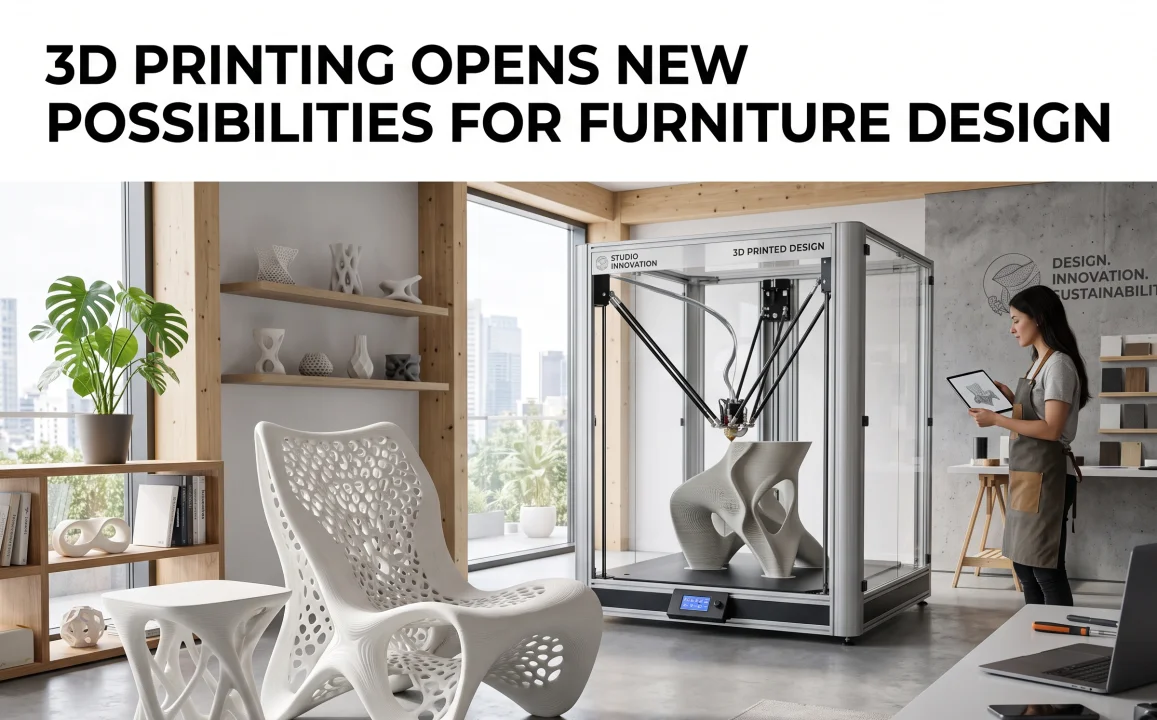
Design teams are using intelligent software to generate multiple product concepts, evaluate proportions, recommend materials, and identify potential production challenges before physical prototypes are created. This reduces development time while allowing manufacturers to explore a wider range of design possibilities.
Personalization Continues to Grow
Furniture brands are also expanding their use of AI to improve customer experiences.
Digital configuration platforms now help buyers visualize different fabrics, finishes, dimensions, and layouts before making purchasing decisions. Some systems can even recommend furniture collections based on room size, interior style, and lifestyle preferences.
This level of personalization is becoming an important competitive advantage in today's furniture market.
Smarter Manufacturing
Artificial intelligence is also improving factory operations.
Manufacturers are using predictive analytics to optimize production schedules, reduce machine downtime, and improve quality control. AI systems can analyze production data in real time, helping factories identify potential issues before they affect output.
These improvements contribute to greater efficiency while reducing operational costs.
Sustainability Benefits
AI is supporting sustainability initiatives across the furniture sector.
Advanced optimization software helps manufacturers reduce raw material waste by improving cutting layouts and production planning. AI-driven demand forecasting also helps companies better manage inventory, reducing unnecessary overproduction.
These technologies support both environmental goals and long-term business performance.
Opportunities for Interior Designers
Interior architects and designers are beginning to benefit from AI-powered planning tools as well.
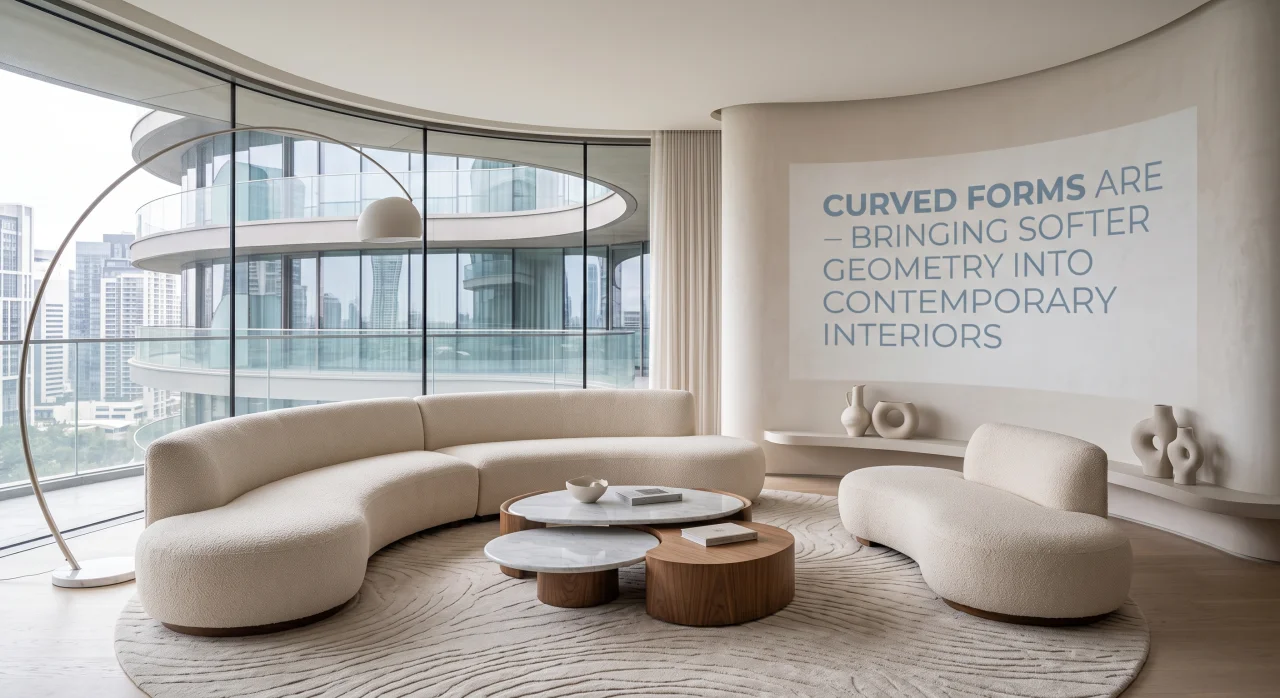
Modern software can quickly generate furniture layouts, evaluate circulation, simulate natural lighting, and recommend complementary materials based on project requirements. Rather than replacing creativity, these tools allow designers to spend more time refining concepts and developing customized solutions.
Looking Ahead
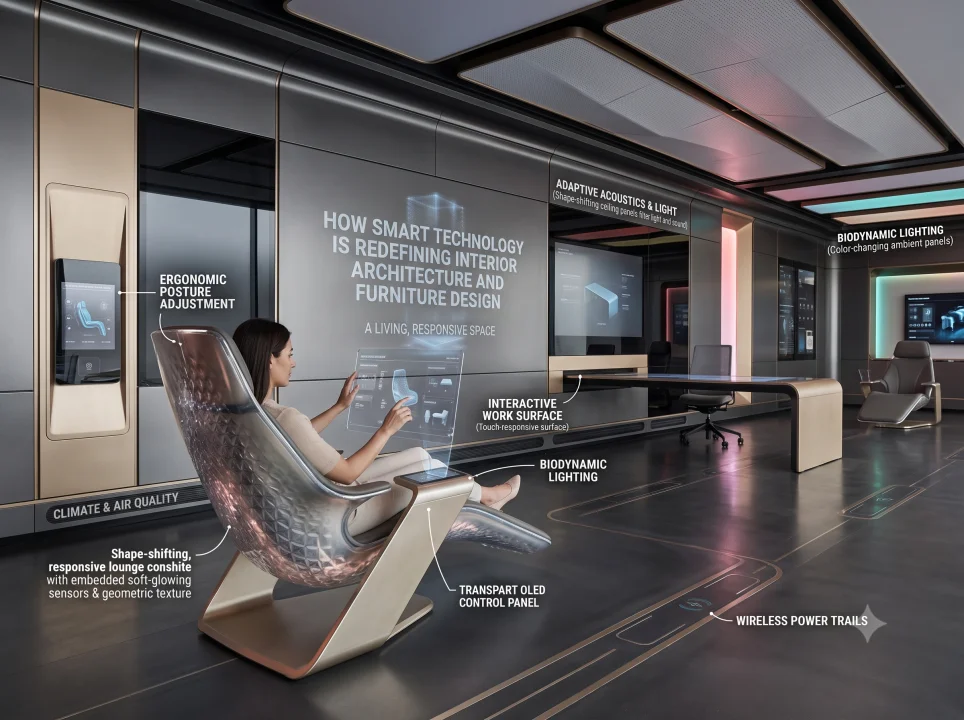
Industry analysts expect investment in AI technologies to continue growing over the next several years. Future developments may include automated design assistants, intelligent manufacturing systems, and furniture capable of adapting to user preferences through connected technologies.
As digital innovation continues to reshape the industry, artificial intelligence is expected to play an increasingly important role in furniture design, manufacturing, and customer experience.
About FurniPress
FurniPress continues to monitor the latest developments in furniture design, interior architecture, and manufacturing technology, providing industry professionals with insights into the trends shaping the future of global furniture markets.