
Furniture Trends Inspired by Boutique Hotels: Bringing Hospitality Luxury into the Home
Discover how boutique hotel furniture trends are influencing residential interiors. Explore luxurious materials, multifunctional designs, and hospitality-inspired living spaces.
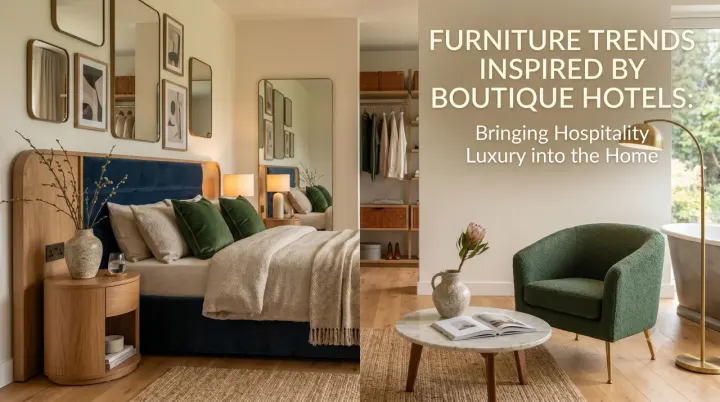
In recent years, the line between residential and hospitality design has become increasingly blurred. Homeowners are no longer looking solely for functional furniture; they want spaces that deliver the same comfort, sophistication, and memorable experiences found in premium hotels.
As featured by FurniPress, boutique hotel-inspired furniture is emerging as a major influence in contemporary interior design. The trend combines luxury, personalization, and practicality to create homes that feel both elegant and welcoming.
1. The Rise of Hospitality-Inspired Living
Boutique hotels have become design destinations in their own right. Their carefully curated interiors often balance comfort and exclusivity, creating environments that guests remember long after their stay.
Designers are now translating these principles into residential spaces, introducing furniture that prioritizes comfort, visual appeal, and a sense of everyday luxury.
2. Statement Furniture as a Focal Point
One characteristic of boutique hotel interiors is the use of statement furniture pieces. Rather than filling rooms with numerous decorative elements, designers often select one or two standout items that command attention.
Oversized lounge chairs, sculptural coffee tables, and custom headboards are increasingly appearing in residential interiors as homeowners seek to create similar visual impact.
3. Elevated Bedroom Experiences
The bedroom is one of the areas most influenced by hospitality design. Luxury upholstered beds, layered textiles, elegant nightstands, and integrated lighting systems help transform ordinary bedrooms into relaxing retreats.
Furniture is selected not only for appearance but also for its contribution to comfort and relaxation, mirroring the atmosphere of a high-end hotel suite.
4. Multi-Functional Luxury
Modern hospitality furniture must balance aesthetics with functionality, and this principle is becoming increasingly relevant in homes.
Storage-integrated seating, compact workstations, and adaptable tables allow homeowners to maximize usability while maintaining a refined appearance. This approach is particularly valuable in urban residences where space is limited.
5. Rich Materials and Textural Contrast
Boutique hotels often create memorable interiors through the strategic use of materials. Velvet upholstery, natural stone surfaces, brushed metals, and warm wood finishes add depth and sophistication.
Contemporary residential furniture is embracing similar combinations, creating interiors that feel luxurious without appearing excessive.
6. Personalized Design Narratives
Unlike large hotel chains, boutique hotels often tell unique stories through design. This focus on individuality is influencing furniture trends, encouraging homeowners to choose pieces that reflect their personalities and lifestyles.
Custom finishes, artisanal craftsmanship, and locally inspired furniture collections are becoming increasingly desirable as consumers seek more meaningful interiors.
7. Wellness-Oriented Furniture Design
Comfort and wellness are central to hospitality-inspired interiors. Furniture is increasingly designed to support relaxation, featuring ergonomic forms, soft textures, and calming aesthetics.
From reading nooks to lounge-inspired seating arrangements, these pieces encourage homeowners to slow down and enjoy their living environments.
8. The Future of Hospitality-Inspired Homes
As residential design continues to evolve, the influence of boutique hotels is expected to grow. Future furniture collections will likely combine luxury craftsmanship with smart technology, sustainability, and adaptable functionality.
This evolution reflects a broader shift toward experience-driven design, where furniture contributes not only to the appearance of a space but also to how it feels and functions.
Boutique hotel-inspired furniture is redefining modern residential interiors by bringing together luxury, comfort, and personalization. Through thoughtful material choices, statement pieces, and wellness-focused design, homeowners can create spaces that offer the same sense of escape and sophistication found in exceptional hospitality environments.
By exploring these emerging trends, FurniPress continues to highlight how furniture design is transforming everyday living into a more refined and memorable experience.
Comments
0 comments
No published comments yet. Be the first to join the conversation.