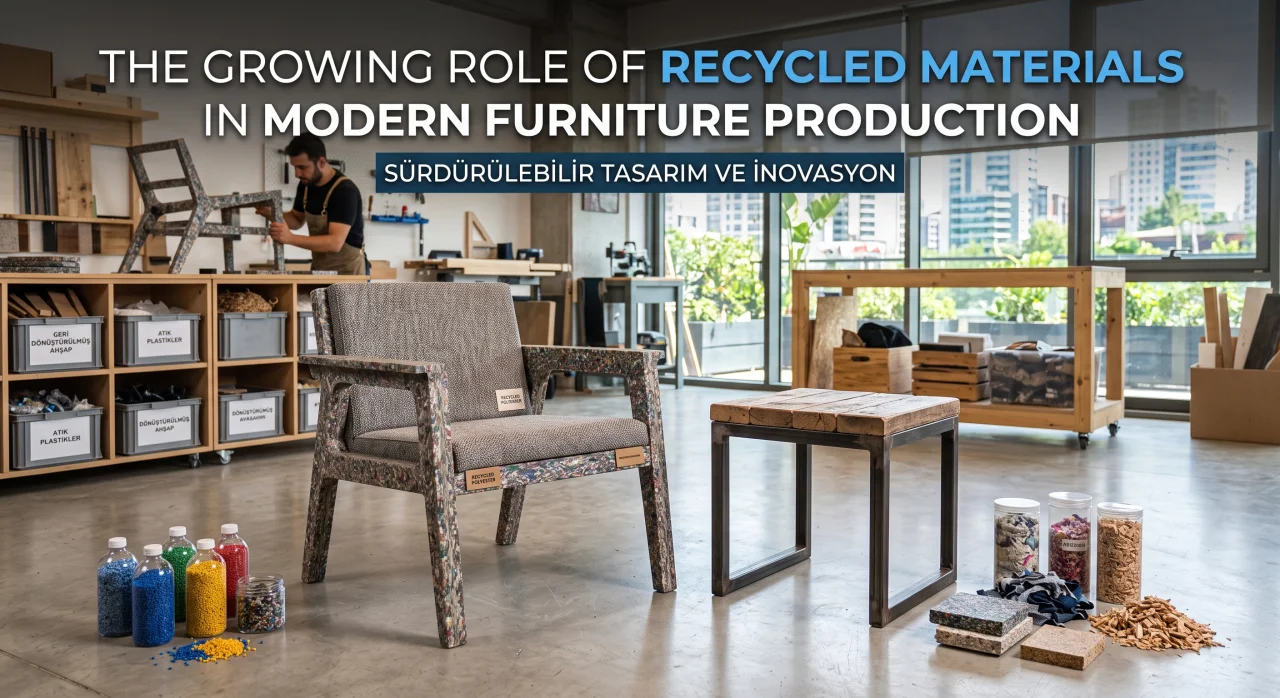
The furniture industry is experiencing a significant shift in the way materials are sourced, processed, and incorporated into finished products. As manufacturers respond to growing environmental concerns, recycled materials are becoming an increasingly important part of modern furniture production.
From recycled plastics and metals to reclaimed wood and innovative composite materials, manufacturers are exploring new ways to reduce waste without compromising durability or design quality. This movement is also encouraging designers to rethink conventional approaches to furniture production.
Recycled Materials Move Beyond a Niche Market
For many years, recycled materials were primarily associated with small-scale sustainable design projects. Today, they are becoming more visible across mainstream furniture collections.
Recycled plastics can be transformed into chairs, tables, panels, and accessories, while recycled metals can be incorporated into frames and structural components. These materials can offer manufacturers greater flexibility while reducing dependence on newly extracted resources.
Reclaimed Wood Adds Character
Reclaimed wood continues to be one of the most recognizable examples of material reuse in furniture design.
Wood recovered from old buildings, structures, and previously used products can be processed and transformed into tables, cabinets, shelving systems, and decorative elements.
Its natural variations, marks, and surface characteristics can also give furniture a distinctive appearance that is difficult to reproduce with newly manufactured materials.
New Composite Materials Expand Possibilities
Material innovation is moving beyond simply reusing existing products.
Manufacturers and researchers are developing composite materials that combine recycled fibers, plastics, wood particles, and other recovered resources. These materials can be molded or processed into different shapes, opening new possibilities for furniture designers.
This development allows sustainability to become part of the design process rather than simply a feature added at the end.
Durability Remains Essential
Using recycled materials does not eliminate the need for high performance.
Furniture manufacturers must ensure that recycled components can withstand everyday use, transportation, environmental conditions, and long-term wear.
Advances in material processing are helping improve consistency and durability, making recycled materials increasingly suitable for demanding residential and commercial applications.
Design Becomes More Experimental
Recycled materials can also influence the visual language of furniture.
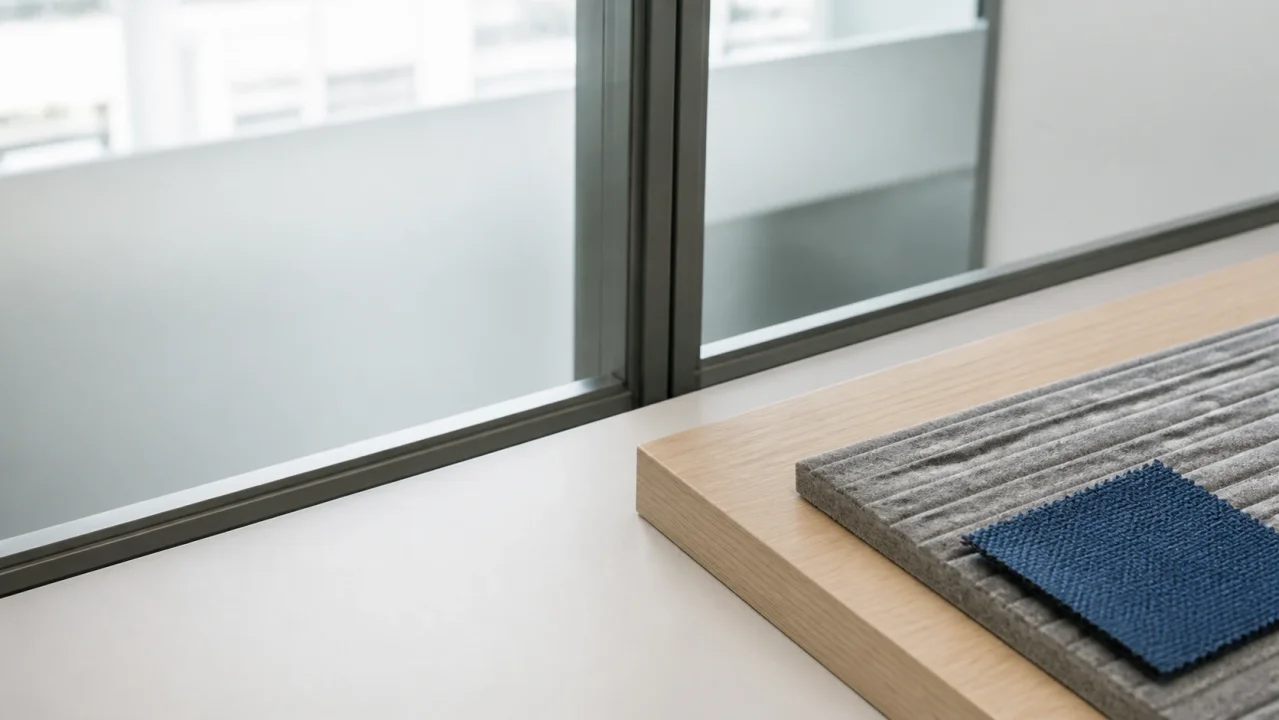
Visible fibers, irregular textures, layered surfaces, and unexpected color variations can become design characteristics rather than imperfections. Designers are using these qualities to create products with distinctive identities.
This demonstrates that sustainable furniture does not have to follow a single aesthetic.
Manufacturing Processes Are Changing
The increased use of recycled materials is also affecting factory operations.
Manufacturers may need different processing equipment, material preparation methods, and quality-control procedures. This encourages companies to invest in production technologies capable of working with a wider range of material inputs.
Looking Ahead
The role of recycled materials in furniture production is likely to continue expanding as material technologies improve and manufacturers look for more responsible production methods.
The future may bring furniture products designed specifically around material recovery, disassembly, and reuse, creating stronger connections between manufacturing and the circular economy.
Recycled materials are becoming an increasingly important part of the furniture industry's future. Their growing use demonstrates how sustainability and design innovation can work together to create products that are both functional and visually distinctive.
As manufacturers continue investing in material research, recycled resources are likely to move further into the mainstream of furniture production.