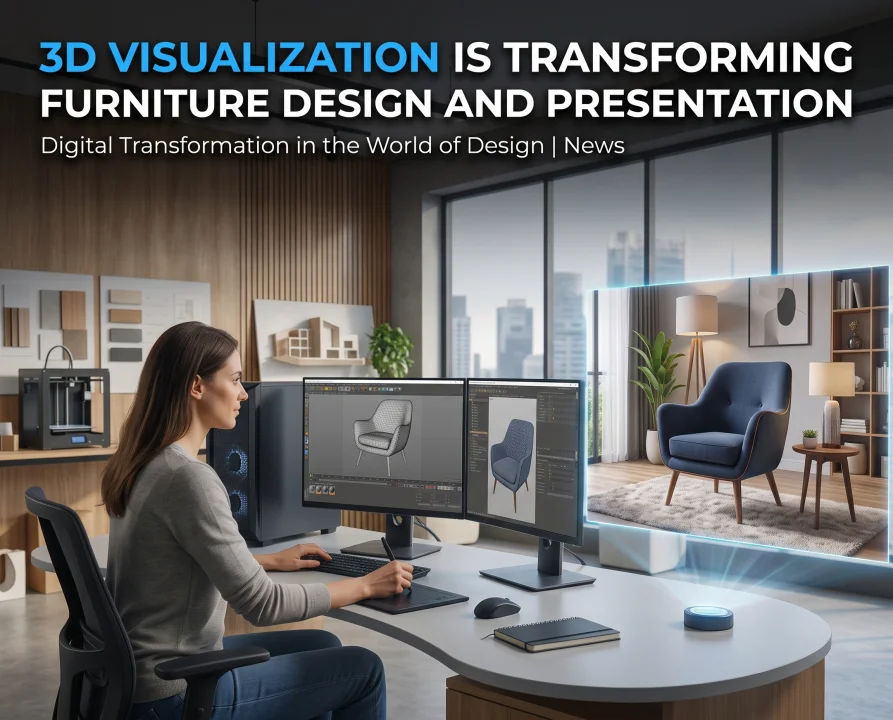
Digital visualization has become an essential part of contemporary furniture design and interior architecture. Three-dimensional modeling allows designers and manufacturers to explore ideas, test proportions, develop materials, and present products before physical prototypes are produced.
The technology is changing not only how furniture is designed but also how it is marketed and experienced by customers.
Faster Product Development
Traditional furniture development can require multiple physical prototypes before a final design is approved.
3D modeling allows designers to make many adjustments digitally before moving into physical production. Dimensions, proportions, materials, and structural details can be modified quickly.
This can reduce development time and help identify design problems earlier.
Realistic Materials and Finishes
Modern visualization software can simulate different materials with increasing accuracy.
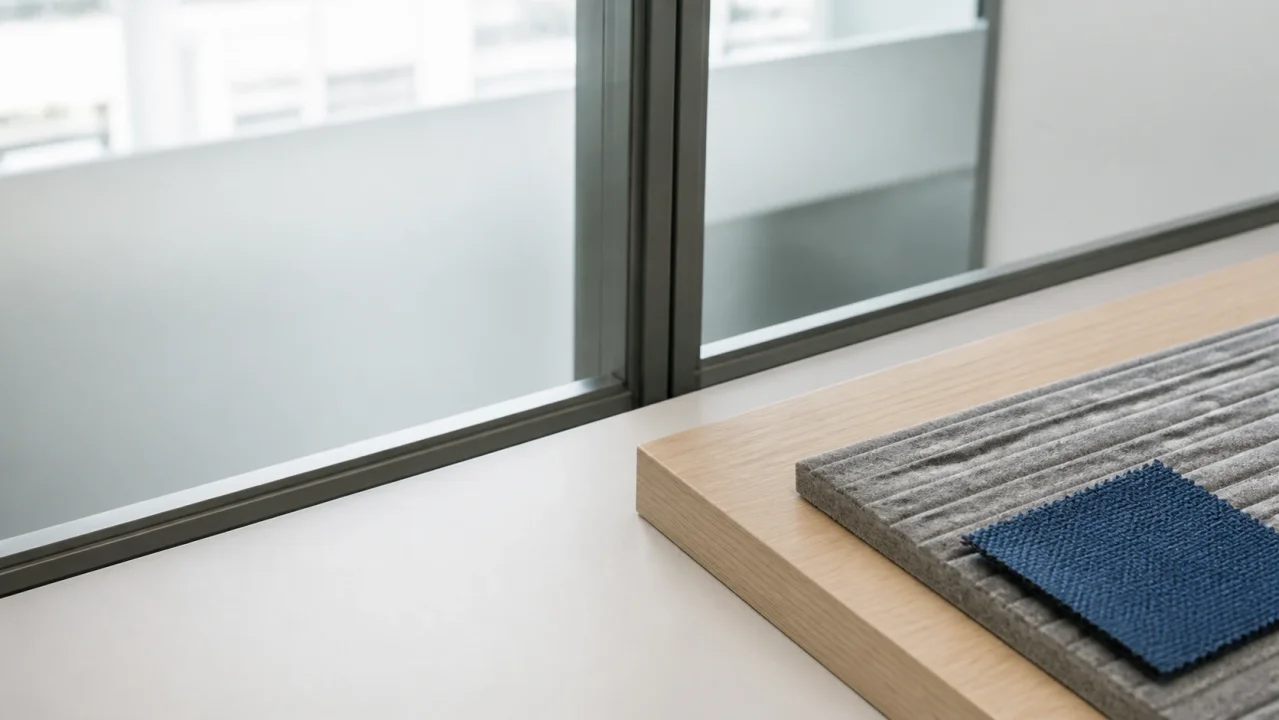
Designers can compare wood finishes, fabrics, metals, stones, and other surfaces within the same digital model. This allows teams to evaluate different options before making physical samples.
Furniture in Real Interior Environments
One of the biggest advantages of 3D visualization is the ability to place furniture inside realistic environments.
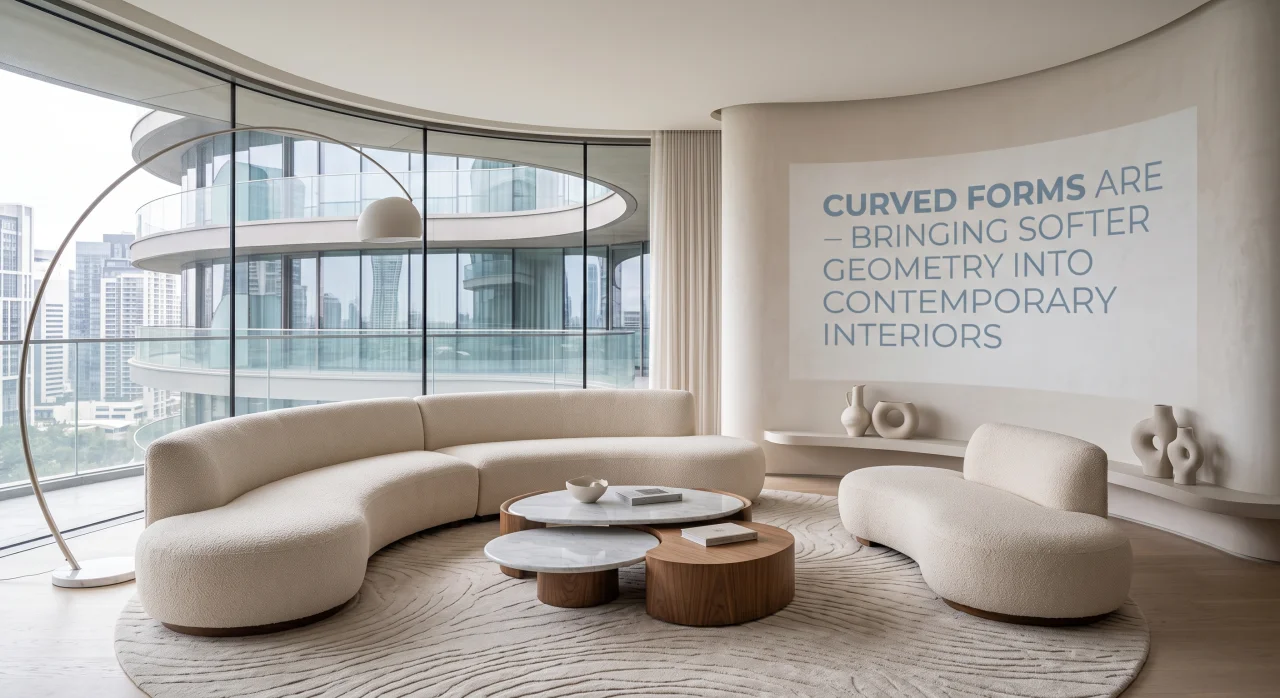
A designer can show how a sofa might look within a living room or how a table interacts with the surrounding architecture.
This makes it easier to evaluate scale, proportions, circulation, and visual relationships.
Supporting Client Communication
3D visualization also improves communication between designers, manufacturers, and clients.
Instead of relying exclusively on technical drawings, professionals can present realistic images that communicate the intended result more clearly.
Clients can then provide feedback before manufacturing begins.
Virtual Product Presentation
Furniture brands are also using 3D visualization for digital catalogs and online stores.
Digital models can be used to create product images from multiple viewpoints, room scenes, interactive configurators, and virtual showrooms.
This allows brands to present products without photographing every possible combination of materials and configurations.
Integration with Emerging Technologies
3D furniture models can also become part of augmented and virtual reality experiences.
Customers may be able to visualize furniture within their own rooms or explore complete virtual interiors before purchasing products.
These technologies could further reduce the distance between digital product discovery and physical furniture experiences.
Looking Ahead
As artificial intelligence, real-time rendering, and immersive technologies continue to develop, 3D visualization will become even more sophisticated.
Designers may be able to generate and compare multiple furniture concepts quickly while manufacturers can use digital models throughout production and marketing.
3D visualization is becoming a fundamental tool across the furniture and interior design industries.
By improving product development, communication, visualization, and digital marketing, it allows furniture professionals to work more efficiently while giving customers a clearer understanding of products before purchase.
As digital design technologies continue to advance, 3D visualization will play an increasingly important role in the future of furniture development.