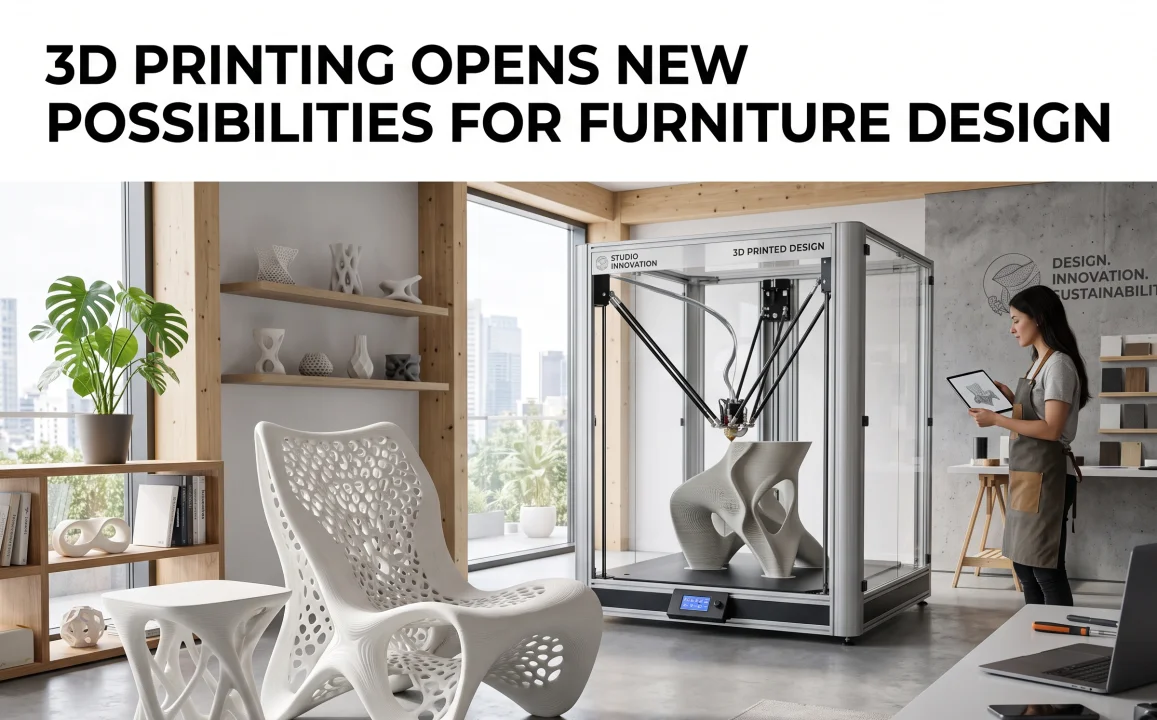
3D printing is moving beyond prototypes and small-scale objects to become an increasingly important technology in furniture design and manufacturing. Designers and manufacturers are exploring additive production methods to create complex forms, customized products, and alternative manufacturing processes that would be difficult to achieve through traditional techniques.
The technology is attracting attention across the furniture industry because it offers greater design freedom while potentially reducing material waste and simplifying production.
From Digital Model to Physical Furniture
One of the biggest advantages of 3D printing is the direct connection between digital design and physical production.
A designer can create a three-dimensional model using CAD or other digital design software and then send the file directly to a compatible printer. This creates a streamlined workflow between concept development and manufacturing.
For furniture designers, the process makes experimentation significantly easier. Unusual geometries, organic structures, and customized components can be tested without requiring traditional molds or extensive tooling.
Complex Forms Become More Accessible
Traditional manufacturing methods can make certain shapes expensive or technically challenging to produce.
3D printing offers a different approach. Layer-by-layer production allows designers to develop intricate structures, curved surfaces, lattice patterns, and highly customized components.
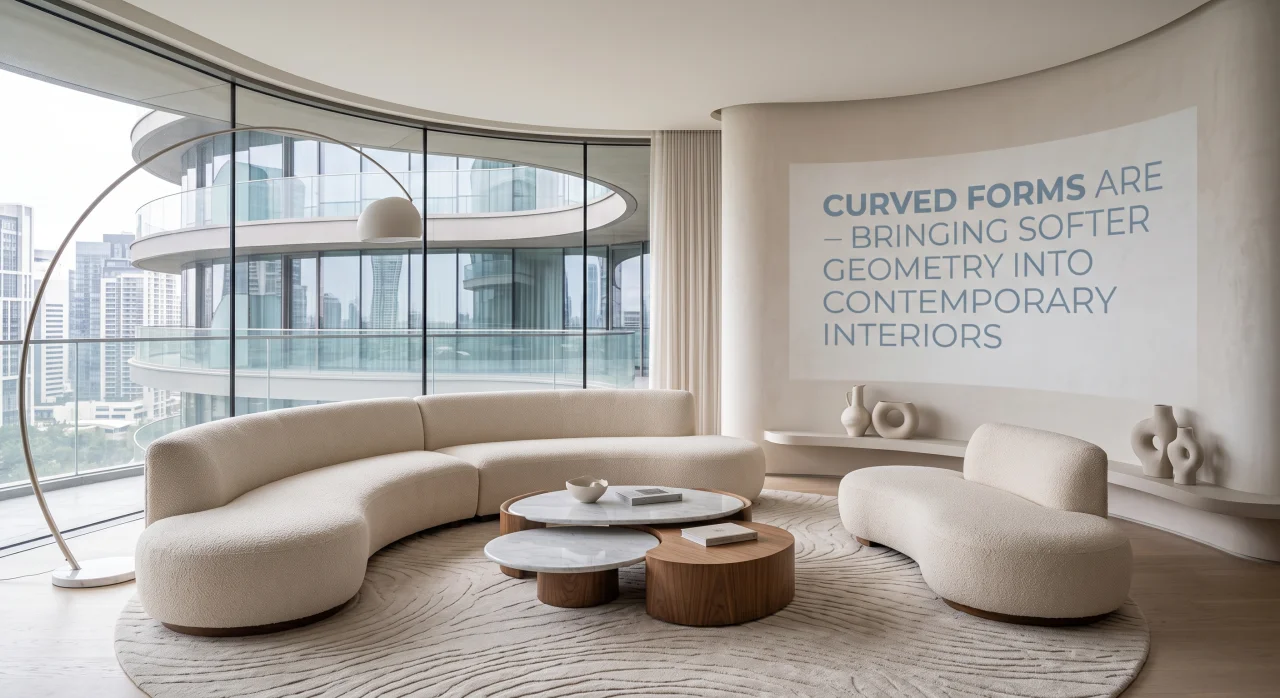
This capability is particularly interesting for contemporary furniture collections where sculptural forms are becoming increasingly important.
Customization at a Larger Scale
Mass production has traditionally relied on standardized dimensions. 3D printing challenges this model by making customization easier to integrate into manufacturing.
Furniture can potentially be adapted to specific room dimensions, ergonomic requirements, or individual preferences without completely redesigning the production process.
For interior architects, this opens opportunities to develop furniture specifically for unusual spaces, curved walls, compact apartments, and specialized commercial environments.
Reducing Material Waste
Additive manufacturing can also contribute to more efficient material use.
Traditional manufacturing processes often involve cutting, carving, or removing material from larger blocks. 3D printing instead builds an object layer by layer, allowing manufacturers to place material where it is needed according to the digital design.
When combined with recyclable or bio-based materials, this approach could support more sustainable furniture production.
New Materials Enter the Furniture Industry
The development of printable materials is expanding the possibilities of 3D-printed furniture.
Researchers and manufacturers are exploring materials such as recycled polymers, bio-based composites, and recycled industrial waste. These materials can provide alternatives to conventional furniture components while introducing new textures and visual qualities.
The combination of material innovation and digital fabrication could become one of the most important areas of development in the sector.
Production Becomes More Localized
3D printing may also influence where furniture is manufactured.
Instead of transporting large finished products across long distances, manufacturers could potentially produce certain furniture components closer to the final customer. Digital design files can be transferred electronically, while production takes place at regional facilities.
This model could reduce transportation requirements and make made-to-order manufacturing more practical.
Opportunities for Interior Architecture
The impact of 3D printing extends beyond standalone furniture.
Interior architects can use the technology to create customized partitions, lighting elements, decorative surfaces, seating systems, and architectural components that respond directly to the characteristics of a particular space.
This creates a closer relationship between furniture and architecture, allowing both to be developed as part of a unified design concept.
Challenges Still Remain
Despite its potential, 3D-printed furniture still faces several challenges.
Large-scale printing equipment can require significant investment, while production speed and material performance remain important considerations. Designers must also consider structural strength, surface finishing, fire safety, and long-term durability when developing furniture for commercial applications.
As technology advances, improvements in these areas are expected to make 3D printing increasingly competitive with established manufacturing methods.
What Comes Next?
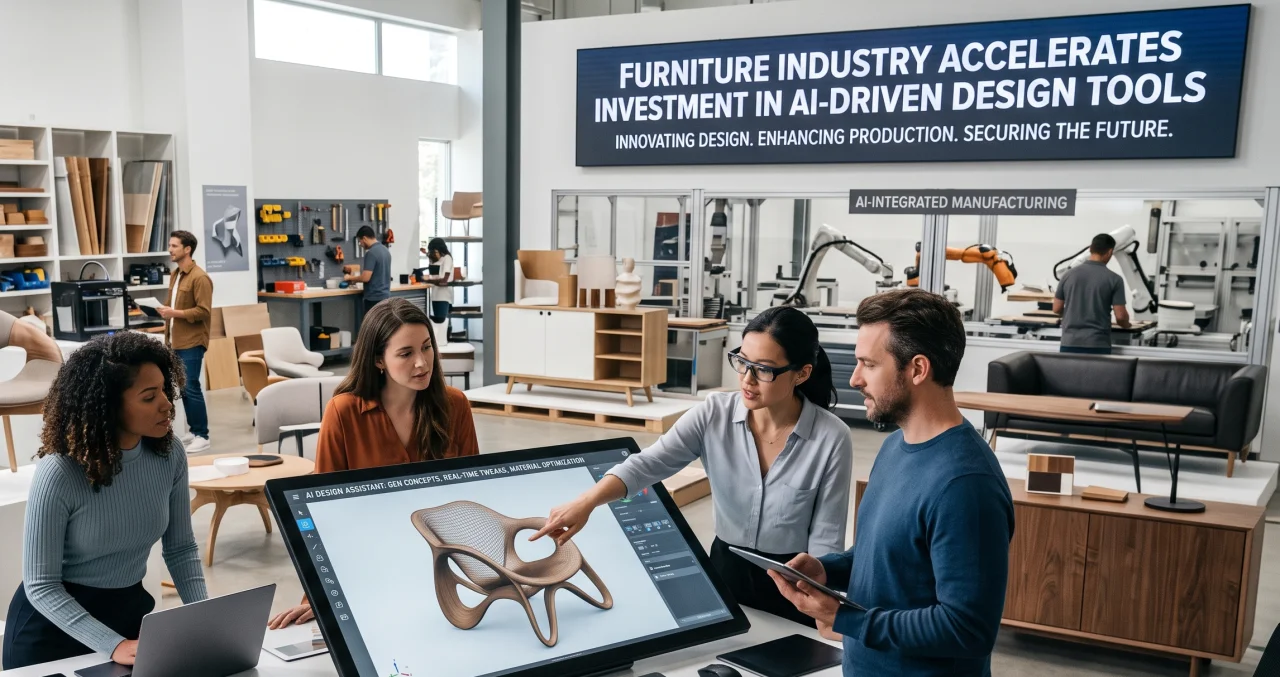
The future of 3D-printed furniture is likely to involve greater automation and more advanced digital workflows. Artificial intelligence could assist designers in generating optimized structures, while robotic systems may enable the production of larger furniture pieces and architectural elements.
The combination of AI, 3D printing, sustainable materials, and digital fabrication could ultimately create a new generation of furniture that is highly customized, resource-efficient, and difficult to reproduce using conventional techniques.
About FurniPress
FurniPress covers the latest developments in furniture design, interior architecture, manufacturing, materials, and technology, providing industry professionals and design enthusiasts with insights into the innovations shaping the future of the built environment.