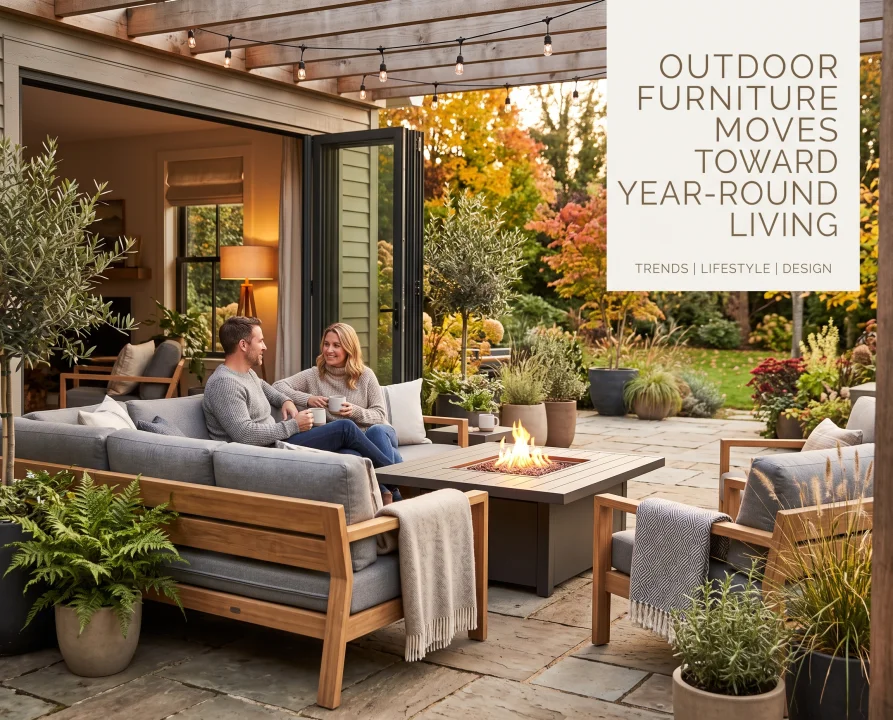
Outdoor spaces are becoming increasingly important extensions of the home. Terraces, balconies, gardens, rooftops, and patios are being designed as functional living areas rather than seasonal spaces used only during warm weather.
This shift is influencing outdoor furniture manufacturers, who are developing products that combine indoor-level comfort with materials capable of handling changing outdoor conditions.
Outdoor Spaces Become Additional Rooms
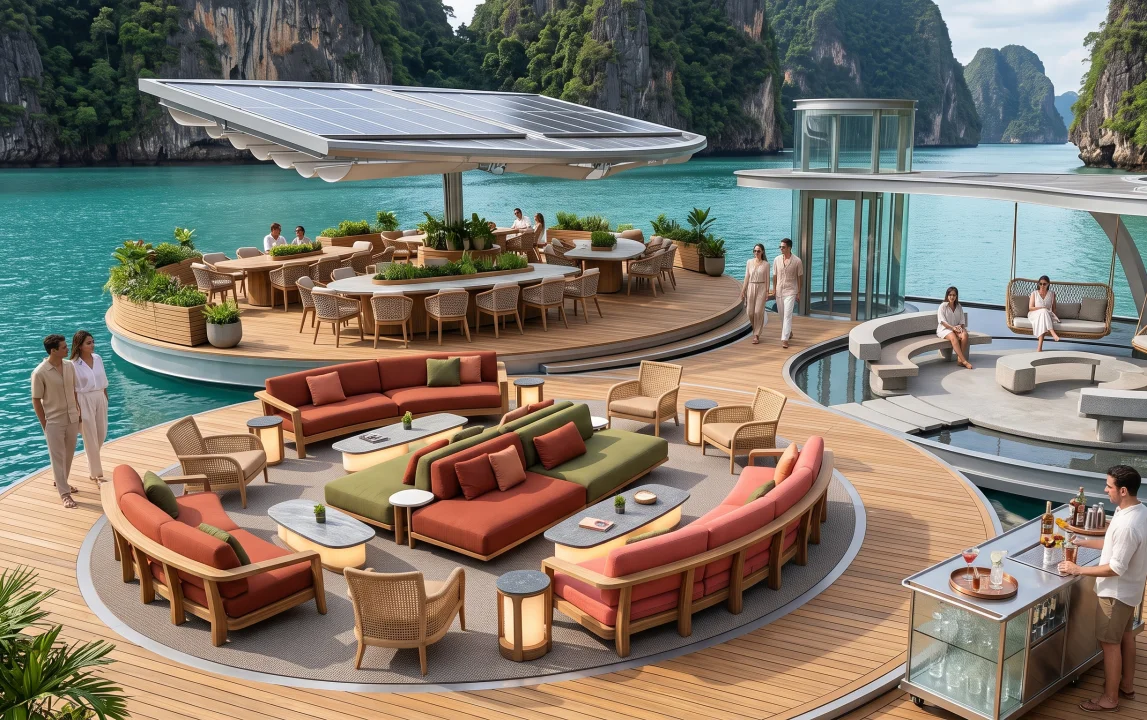
Modern outdoor areas often include sofas, dining tables, lounge chairs, lighting, storage, and accessories.
Instead of treating outdoor furniture as a separate category, designers are increasingly creating visual connections between interior and exterior environments.
Materials, colors, and forms can be repeated across both spaces to create a more continuous design language.
Weather Resistance Remains Essential
Outdoor furniture must withstand conditions that indoor furniture does not normally encounter.
Sunlight, moisture, temperature fluctuations, and wind can all affect materials over time. Manufacturers are therefore investing in fabrics, coatings, metals, and synthetic materials designed specifically for outdoor applications.
Durability remains one of the most important considerations when selecting outdoor furniture.
Comfort Becomes a Priority
Outdoor furniture is increasingly designed to provide the same level of comfort expected from indoor products.
Deep seating, ergonomic forms, cushions, and upholstered surfaces are becoming common in contemporary outdoor collections.
This allows terraces and gardens to function as genuine relaxation and social spaces.
Modular Outdoor Furniture
Modularity is another important trend.
Sectional sofas and movable tables allow users to change outdoor arrangements according to different activities. A space can be configured for everyday relaxation and then rearranged for larger gatherings.
This flexibility is particularly valuable in urban environments where outdoor space may be limited.
Sustainability in Outdoor Collections
Manufacturers are increasingly exploring sustainable materials for outdoor furniture.
Recycled plastics, responsibly sourced timber, recycled metals, and durable materials that require less frequent replacement can contribute to more sustainable outdoor environments.
Long product lifecycles are especially important because outdoor furniture can be exposed to demanding conditions.
Balconies Become Design Opportunities
Small balconies are also receiving greater attention from designers.
Compact chairs, folding tables, vertical storage, and modular seating allow even limited outdoor areas to become functional extensions of the home.
This is particularly relevant in densely populated cities where private outdoor space is often limited.
Outdoor Furniture for Hospitality
Hotels, restaurants, cafés, and resorts are investing heavily in outdoor furniture as customers increasingly value open-air environments.
Commercial outdoor furniture must combine visual appeal with intensive-use durability, easy maintenance, and weather resistance.
Outdoor furniture is likely to continue moving toward greater comfort, durability, and adaptability.
As the boundary between indoor and outdoor living becomes less defined, manufacturers will increasingly create collections designed to work across both environments.
Outdoor furniture is no longer simply seasonal equipment for gardens and patios. It is becoming an important part of contemporary living and hospitality environments.
Through weather-resistant materials, comfortable designs, modular configurations, and sustainable production, manufacturers are creating outdoor products that allow people to use their exterior spaces for longer periods throughout the year.