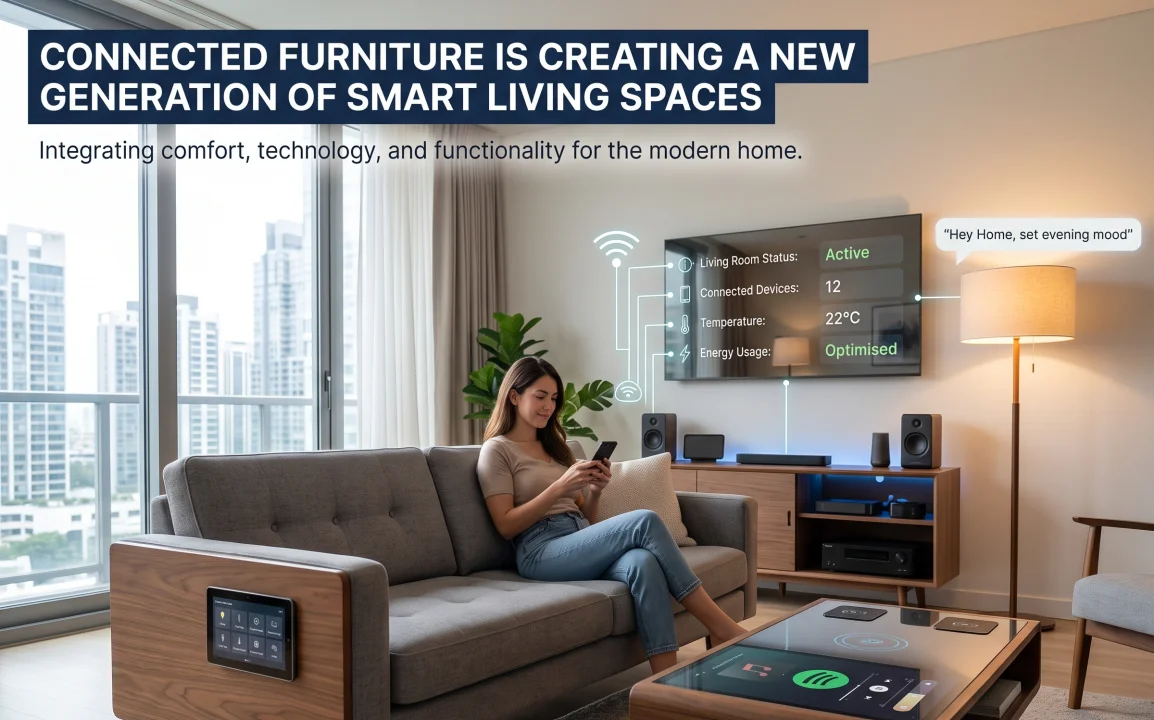
Smart home technology is moving beyond appliances and lighting systems. Furniture itself is becoming increasingly connected, introducing new ways for people to interact with their homes.
From desks that remember preferred working positions to beds equipped with intelligent monitoring systems, technology is becoming part of everyday furniture. This development is creating a new category of products that combines traditional functionality with digital capabilities.
For furniture manufacturers, the change represents both an opportunity and a challenge: products must now provide technological features without compromising comfort, durability, or visual design.
What Is Connected Furniture?
Connected furniture refers to products equipped with electronic components, sensors, connectivity systems, or digital controls.
These features can allow furniture to communicate with smartphones, smart home platforms, or other connected devices.
The technology can be relatively simple, such as integrated USB-C charging, or more advanced, including sensors that collect information and automatically adjust furniture settings.
Smart Desks Transform Home Offices
The growth of remote and hybrid work has created strong demand for more sophisticated home office furniture.
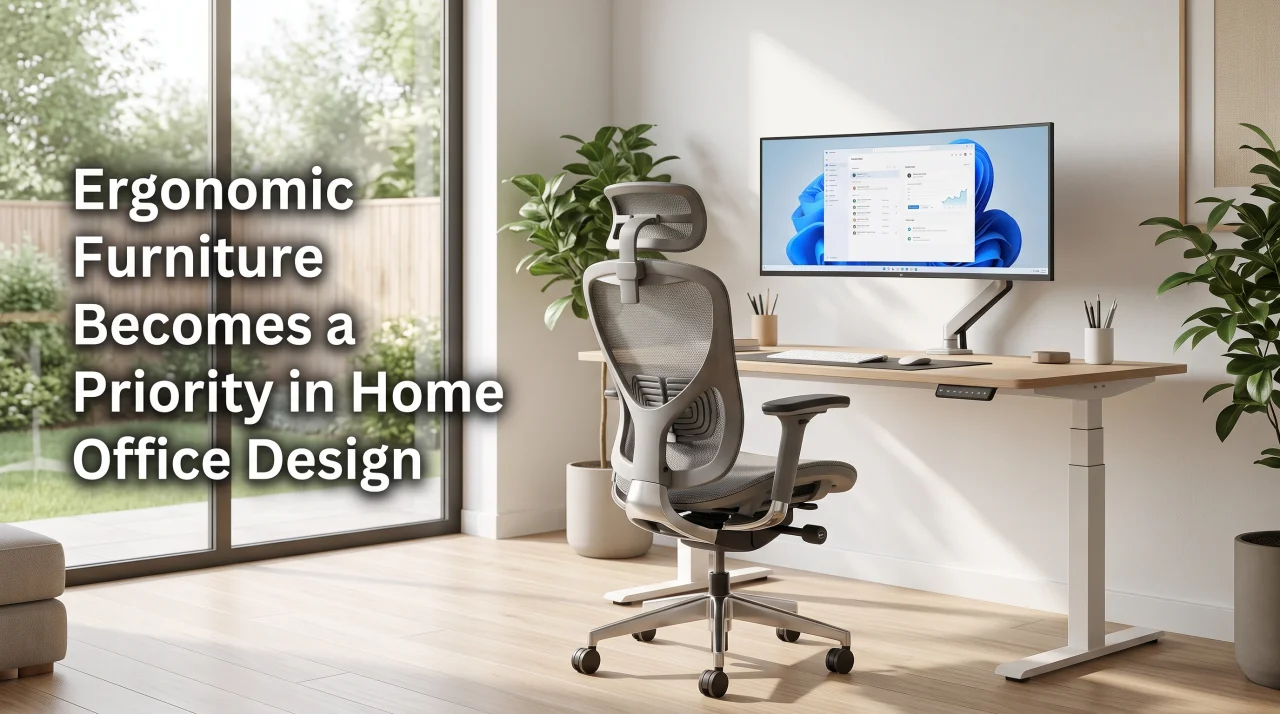
Height-adjustable desks can now include programmable settings that allow users to switch between preferred positions. Some products incorporate integrated charging systems, cable management, lighting, and digital controls.
These features transform the desk from a simple work surface into a more complete workstation.
Intelligent Beds Enter the Bedroom
Bedroom furniture is also becoming more technologically advanced.
Smart beds can incorporate adjustable bases, integrated lighting, temperature management, and other connected functions. These systems demonstrate how furniture can become an active part of the home environment rather than simply occupying physical space.
For manufacturers, this creates opportunities to combine traditional furniture craftsmanship with electronics and software.
Connected Storage Solutions
Storage furniture is another area where technology is creating new possibilities.
Cabinets and wardrobes can incorporate integrated lighting, sensor-controlled opening systems, charging stations, and digital organization features. These additions can improve accessibility while maintaining a clean exterior appearance.
For smaller homes, smart storage may become particularly valuable because it combines multiple functions within a limited footprint.
Technology Must Remain Invisible
One of the biggest design challenges is integrating technology without making furniture look overly technical.
Modern consumers often want smart functionality but prefer clean, understated interiors. As a result, manufacturers are increasingly concealing electronic components within furniture structures.
Wireless charging surfaces, hidden speakers, integrated lighting, and concealed power systems allow technology to remain present without dominating the visual identity of the product.
Smart Furniture and Interior Architecture
Connected furniture is also influencing interior architecture.
Designers can now consider furniture, lighting, climate control, and digital systems as interconnected components of a single environment. This creates more adaptable spaces that can respond to different activities throughout the day.
A home office can transform into a living area, while a dining space can incorporate technology for entertainment or remote work.
Sustainability and Connected Products
Technology can potentially increase the lifespan and efficiency of furniture.
Sensors can monitor usage, while digital systems can provide information about maintenance requirements. Modular electronic components can also make certain products easier to upgrade instead of replacing the entire furniture piece.
However, manufacturers must consider electronic waste and repairability when developing connected products.
The Future of Smart Furniture
The next generation of connected furniture is likely to become increasingly integrated with broader smart home ecosystems.
Artificial intelligence could allow furniture to learn user preferences and automatically adjust settings. Furniture may also communicate with lighting, climate control, and entertainment systems to create personalized environments.
The most successful products will likely be those where technology feels natural rather than complicated.
Connected furniture is changing the relationship between technology and everyday objects. Smart desks, intelligent beds, connected storage, and integrated charging systems demonstrate how furniture can become an active part of modern living environments.
As smart home ecosystems continue to develop, furniture manufacturers will have an increasingly important role in creating products that combine digital functionality with comfort, durability, and thoughtful design.
For FurniPress, connected furniture represents one of the most interesting areas to watch as technology and interior design continue to converge.