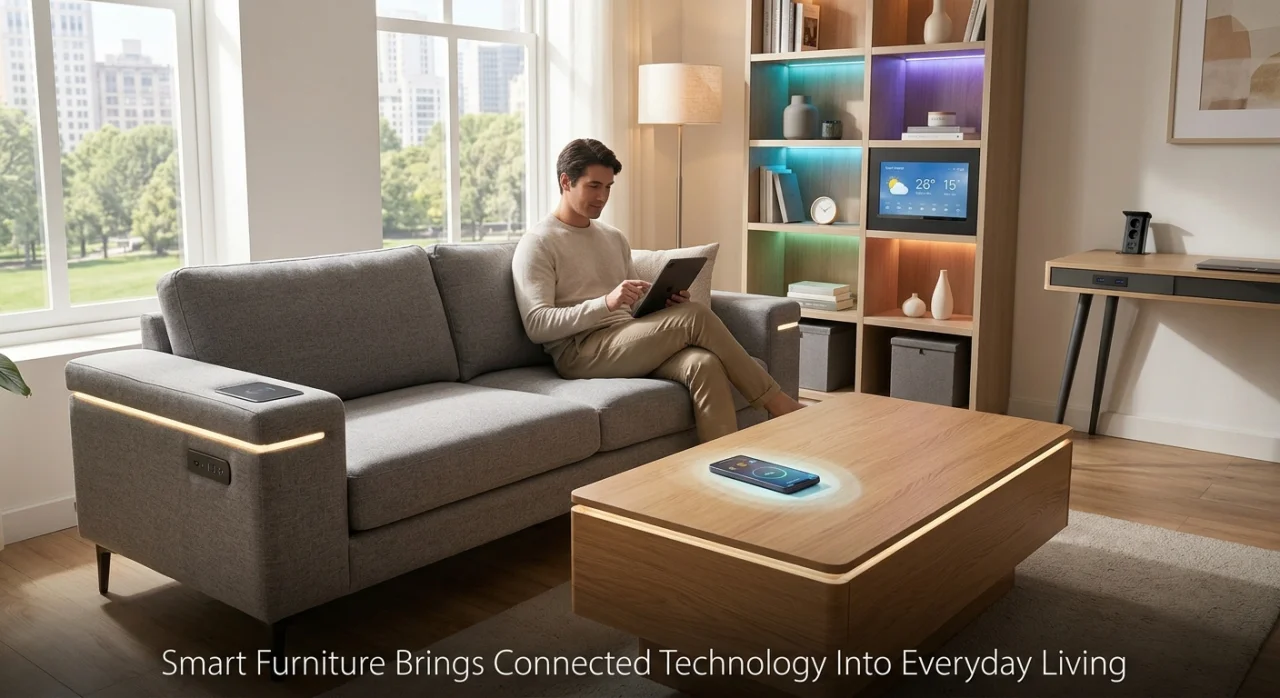
Technology is becoming an increasingly integrated part of contemporary furniture design. As connected devices become more common in homes and workplaces, furniture manufacturers are exploring ways to incorporate digital functionality into everyday products without compromising comfort or aesthetics.
From desks with integrated charging systems to adjustable beds and tables with built-in connectivity, smart furniture is creating new opportunities for combining practical functionality with modern design. Rather than treating furniture and technology as separate elements, manufacturers are developing products in which both work together.
Integrated Charging Becomes a Practical Feature
One of the most accessible examples of smart furniture is integrated charging.
Desks, bedside tables, sofas, and other furniture products can incorporate USB ports, power outlets, or wireless charging surfaces. These features reduce the need for additional accessories and help users keep frequently used devices within reach.
Cable management is equally important. Concealed channels and dedicated compartments can organize cables while maintaining a clean appearance.
For furniture designers, the challenge is to integrate these features without making products unnecessarily complicated.
Adjustable Furniture Responds to Different Needs
Motorized adjustment is another area of development.
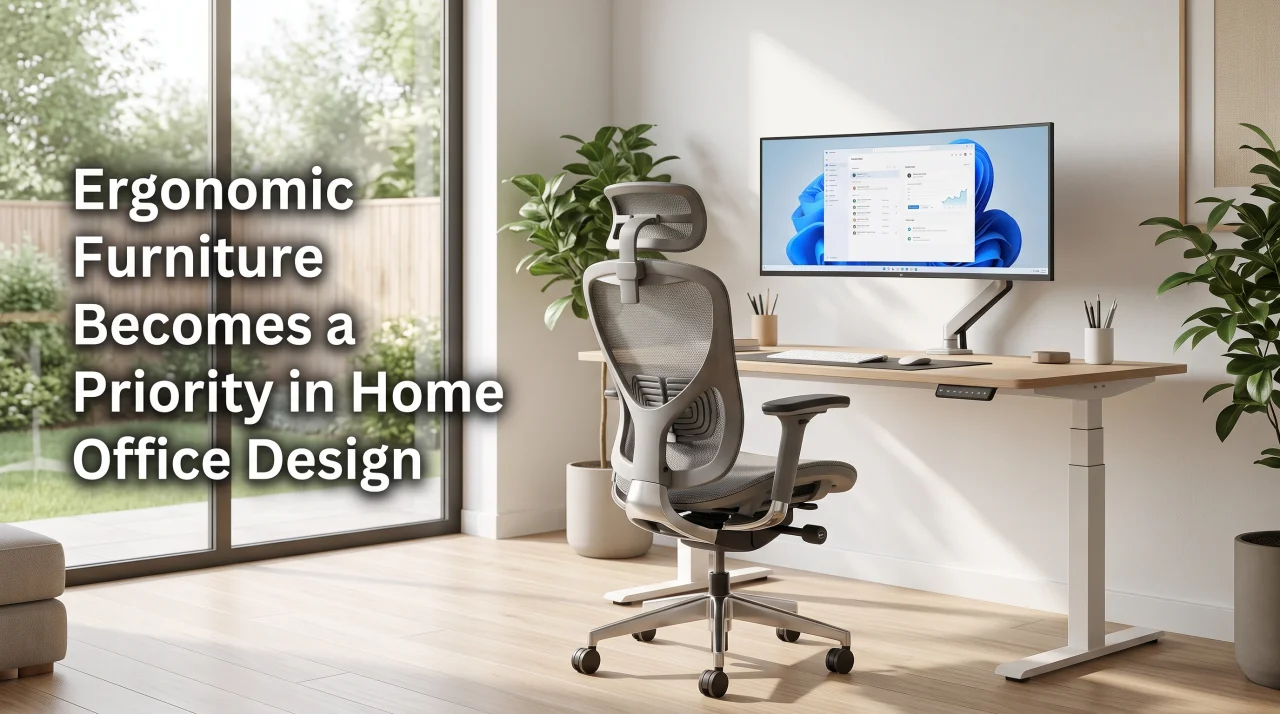
Height-adjustable desks allow users to change their working position, while adjustable beds and reclining seating provide greater control over comfort. Some systems use programmable settings that allow users to return to preferred positions.
These mechanisms demonstrate how furniture can respond to individual requirements rather than relying on a single fixed configuration.
Smart Furniture and Interior Design
Technology integration influences the way designers approach furniture placement and electrical planning.
A desk with built-in power access may reduce the need for visible cables. A bedside table with integrated lighting and charging can replace several separate accessories. In commercial interiors, connected furniture may help support flexible work environments.
However, designers must also consider access to electrical connections, ventilation, maintenance, and future replacement of electronic components.
The Importance of Privacy and Reliability
As furniture becomes more connected, reliability and data privacy become important considerations.
Products that use sensors, applications, or wireless connectivity should clearly communicate what information they collect and how their systems operate. Users should also be able to access essential furniture functions without unnecessary dependence on digital services.
Manufacturers need to consider these factors alongside durability, safety, and ease of use.
Repairability and Product Lifespan
Electronic components can introduce new challenges when furniture requires maintenance.
If a charging module or motor fails, replacing the entire furniture piece may be unnecessary. Designs that allow individual components to be repaired or replaced can help extend product lifespans.
This makes repairability an important consideration for manufacturers developing connected furniture.
What Comes Next for Smart Furniture?
Future developments may include more sophisticated controls, personalized settings, and improved integration with home automation systems.
Nevertheless, successful smart furniture will depend on more than the number of technological features it offers. Products must remain comfortable, durable, intuitive, and visually appropriate for their intended environments.
Smart furniture is creating new possibilities for integrating technology into everyday living. Charging systems, adjustable mechanisms, connected features, and replaceable electronic components can improve functionality when they are carefully incorporated into product design.
As the category develops, manufacturers will need to balance technological innovation with reliability, repairability, and the fundamental purpose of furniture: supporting the activities of daily life.