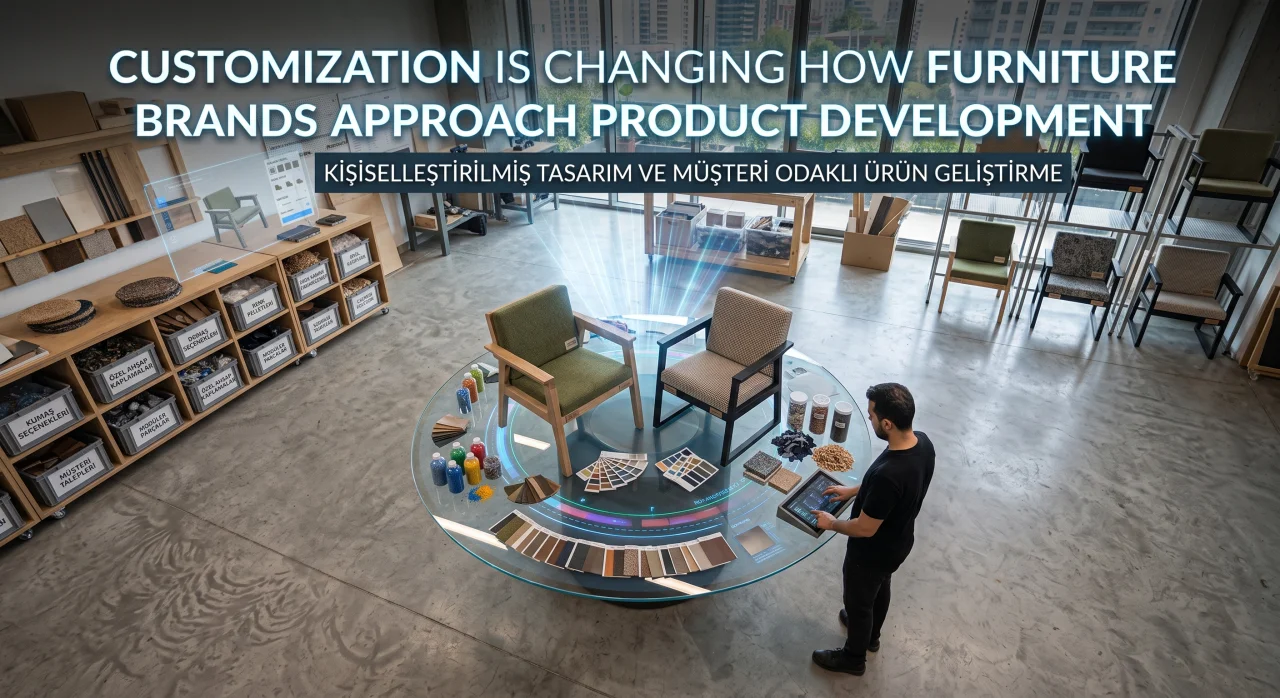
The demand for personalized furniture is changing the relationship between consumers, designers, and manufacturers. Instead of selecting products exclusively from fixed collections, customers increasingly want furniture adapted to their specific spaces, lifestyles, and aesthetic preferences.
This shift is influencing how furniture brands approach product development, manufacturing, inventory, and customer service.
Personalization Extends Beyond Color
Furniture customization can involve much more than selecting an upholstery color.
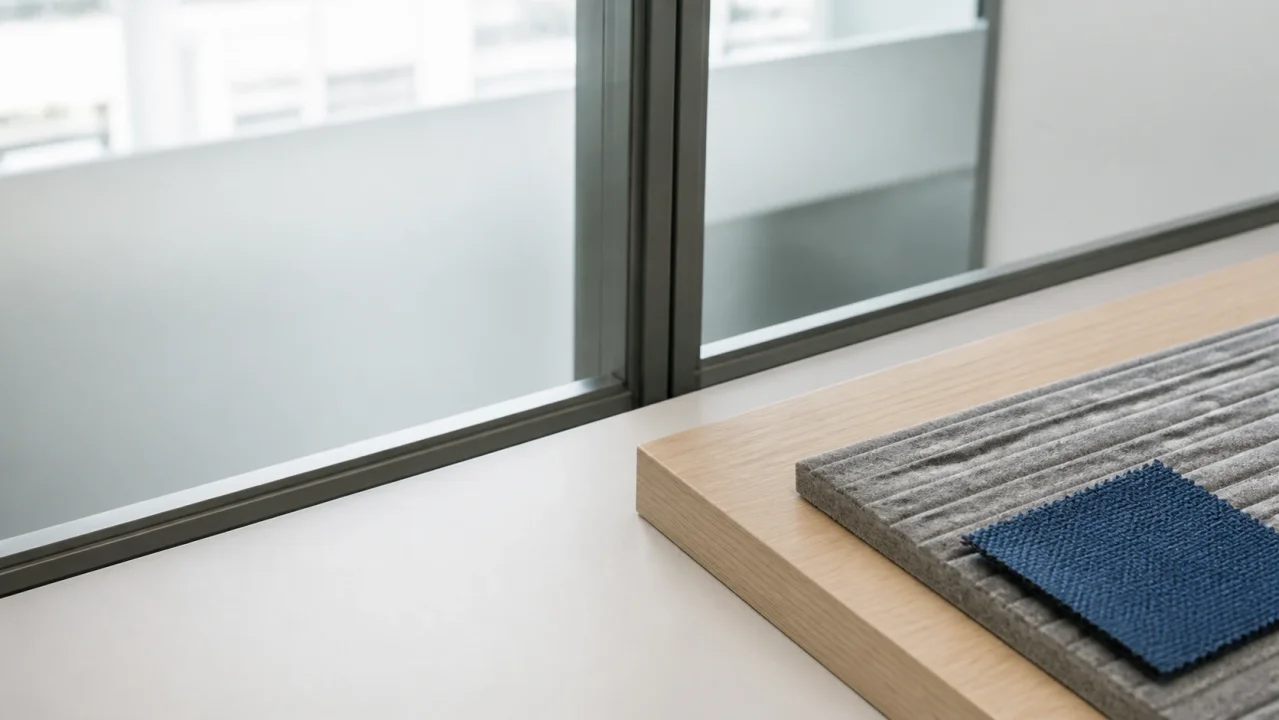
Customers may choose dimensions, materials, finishes, configurations, storage options, and functional features. Modular systems are particularly suitable for customization because individual components can be combined according to specific requirements.
Smaller Homes Encourage Custom Solutions
Urban housing trends are contributing to demand for personalized furniture.
When rooms have unusual dimensions or limited floor space, standard furniture may not always provide the most efficient solution. Customized products can make better use of difficult corners, narrow areas, and multifunctional rooms.
This is particularly relevant to compact apartments and modern urban residences.
Digital Configurators Improve the Experience
Technology is making customization easier for both manufacturers and customers.
Online configurators can allow users to select different materials, colors, dimensions, and configurations before placing an order. Some platforms can also generate visual previews of the finished product.
This creates a more interactive purchasing experience while reducing uncertainty.
Manufacturing Becomes More Flexible
Customization requires manufacturers to rethink traditional mass-production systems.
Instead of producing thousands of identical products, companies may need flexible manufacturing lines capable of handling different specifications efficiently.
Digital production technologies and automated machinery are helping manufacturers respond to these requirements.
Customization and Sustainability
Personalized production can also support more responsible manufacturing when properly managed.
Producing furniture according to confirmed demand can reduce excess inventory. Modular products can also be repaired or reconfigured instead of being completely replaced.
However, customization must be combined with efficient production planning to prevent increased material waste.
The Role of Designers Changes
Customization is also creating new opportunities for interior designers and furniture professionals.
Designers can work more closely with manufacturers to develop products that respond to specific architectural projects. This creates a stronger connection between furniture design and interior architecture.
The Challenge of Cost
One of the main challenges of customization remains cost.
Individualized production can require additional labor, material management, quality control, and logistics. Manufacturers therefore need to find efficient ways to offer personalization without making customized products inaccessible to a broad customer base.
Looking Ahead
Customization is likely to become an increasingly important part of furniture product development.
As digital manufacturing and configuration technologies improve, brands may be able to offer greater personalization while maintaining efficient production.
The result could be a furniture market where customers have significantly more influence over the products they purchase.
Customization is changing the furniture industry by giving consumers greater control over dimensions, materials, finishes, and functionality.
For manufacturers, this creates new challenges but also significant opportunities. Companies that can combine personalization with efficient production and strong design are likely to gain an advantage in an increasingly customer-focused market.