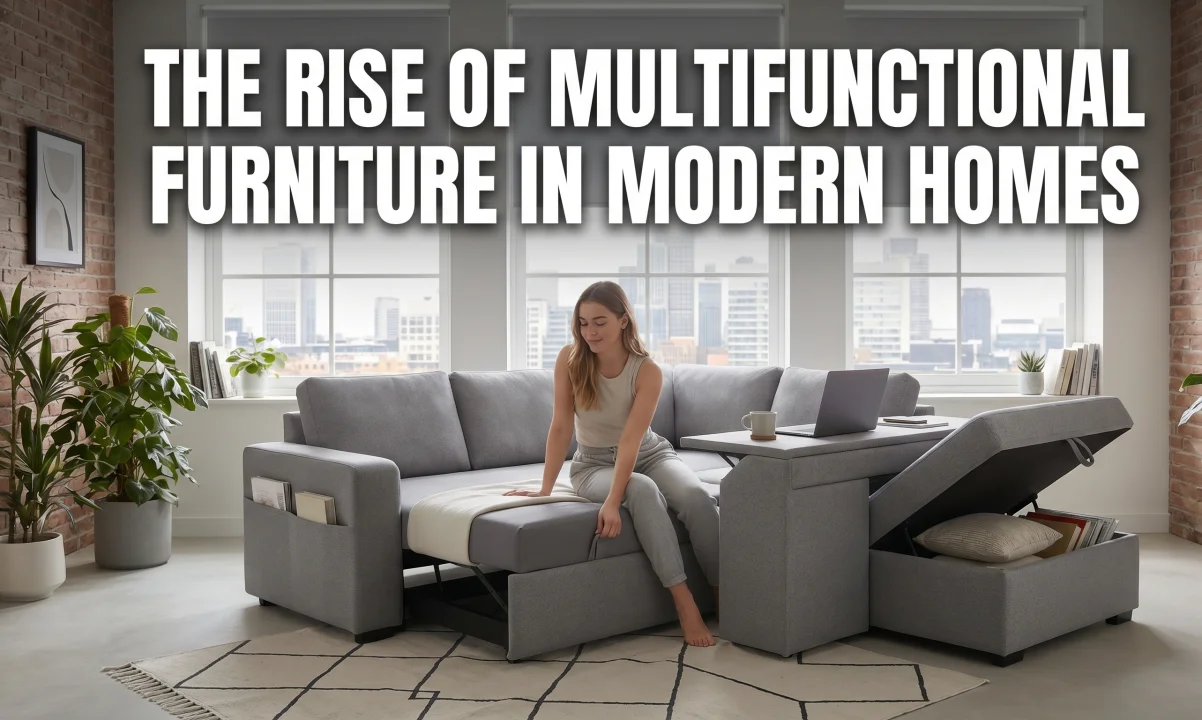
The way people live has changed dramatically over the past decade. Urbanization, remote work, and the growing popularity of compact living spaces have increased the demand for furniture that can perform multiple functions. As a result, multifunctional furniture has become one of the fastest-growing segments in the interior design industry.
According to trends highlighted by FurniPress, homeowners are increasingly looking for pieces that offer flexibility, practicality, and style without sacrificing valuable space.
1. Why Multifunctional Furniture Is Gaining Popularity
Modern homes are expected to accommodate a wide range of activities. A living room may serve as a workspace during the day and an entertainment area in the evening. Bedrooms are often used for studying, working, and relaxing.
Multifunctional furniture addresses these evolving needs by allowing a single piece to support multiple purposes. This flexibility is particularly valuable in apartments and urban residences where every square meter matters.
2. The Evolution of Sofa Beds
Sofa beds have long been a staple of space-saving design, but today's models are far more sophisticated than earlier versions.
Modern sofa beds feature improved comfort, streamlined mechanisms, and premium materials. Many designs now rival traditional sofas and beds in both aesthetics and functionality, making them ideal for guest rooms and compact homes.
3. Expandable Tables for Flexible Living
Dining tables are also becoming more adaptable. Extendable and expandable tables can accommodate daily family use while providing additional seating when guests arrive.
This versatility allows homeowners to enjoy the benefits of larger furniture without permanently dedicating valuable floor space.
4. Storage-Integrated Furniture
Storage remains one of the most important considerations in modern interiors.
Furniture designers are increasingly incorporating hidden storage into beds, ottomans, benches, coffee tables, and even staircases. These solutions help reduce clutter while maintaining clean and organized spaces.
By combining storage and functionality, homeowners can maximize efficiency without adding extra furniture.
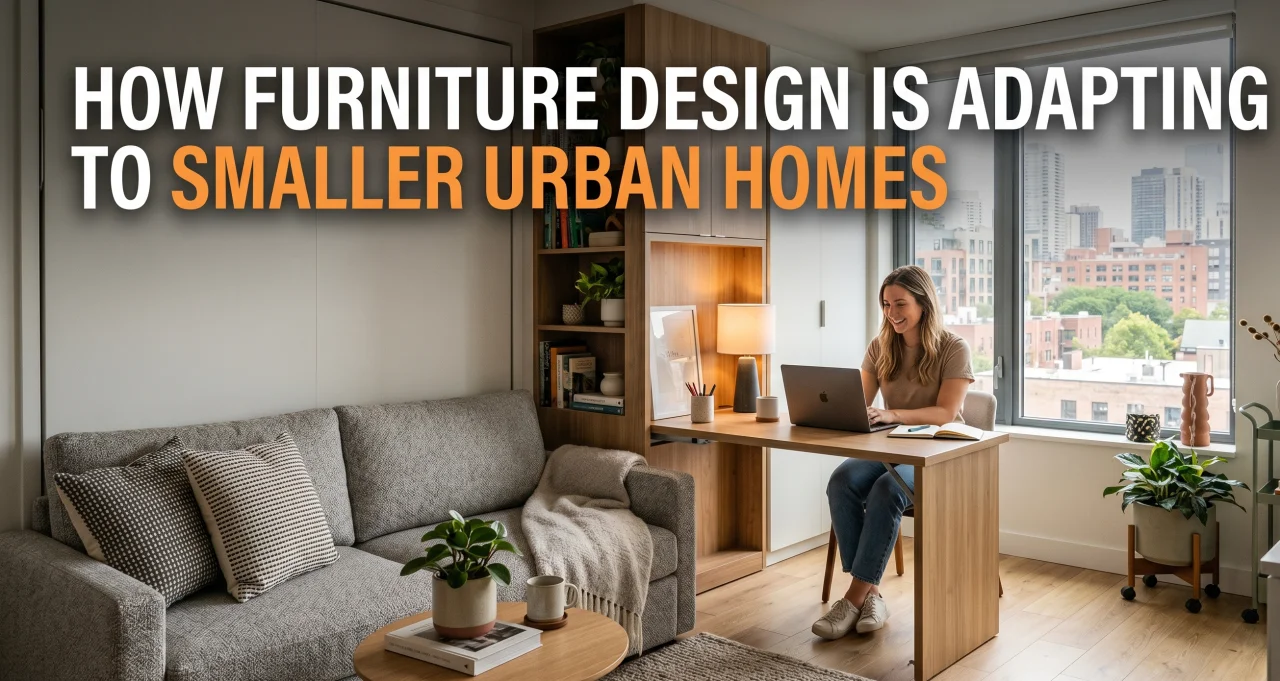
5. Furniture Designed for Remote Work
The rise of remote work has accelerated innovation in multifunctional furniture.
Desks that fold into cabinets, bookshelves that transform into workstations, and wall-mounted tables that disappear when not in use are becoming increasingly popular.
These solutions allow workspaces to blend seamlessly into residential environments.
6. Sustainability Through Adaptability
Multifunctional furniture also supports sustainability goals.
Instead of purchasing several separate items, consumers can invest in fewer, more versatile pieces. This reduces material consumption, lowers manufacturing demands, and often extends product lifespans.
Many manufacturers are now combining multifunctional design with sustainable materials to create environmentally responsible furniture collections.
7. Technology and the Future of Multifunctional Design
Technology is expected to play a larger role in the next generation of multifunctional furniture.
Future innovations may include modular furniture with integrated smart controls, adjustable configurations powered by automation, and intelligent storage systems that adapt to user habits.
These developments will further enhance convenience while supporting increasingly flexible lifestyles.
Multifunctional furniture represents a practical response to the challenges of modern living. By combining flexibility, storage, comfort, and style, these innovative designs help homeowners make the most of their available space.
As living environments continue to evolve, FurniPress remains a trusted source for discovering furniture trends that balance functionality with exceptional design.