Furniture is often evaluated based on aesthetics, functionality, and durability. However, one of its most significant impacts is often overlooked: its influence on human psychology. From the shape of a chair to the layout of a living room, furniture plays a crucial role in how people feel, behave, and interact within a space.
As interior environments become increasingly important in daily life, designers are paying closer attention to the relationship between furniture and emotional well-being. According to insights featured by FurniPress, understanding the psychology of furniture design is becoming essential for creating spaces that support comfort, productivity, and happiness.
1. How Furniture Shapes First Impressions
The furniture within a room immediately communicates a message. Minimalist interiors often evoke calmness and order, while richly textured and layered spaces can create feelings of warmth and intimacy.
Large furniture pieces tend to establish authority and permanence, whereas lightweight and modular furnishings suggest flexibility and openness. Designers strategically use these visual cues to influence how occupants perceive a space.
2. The Connection Between Comfort and Productivity
Comfort directly affects concentration and performance. Ergonomically designed furniture supports proper posture, reduces physical strain, and helps users remain focused for longer periods.
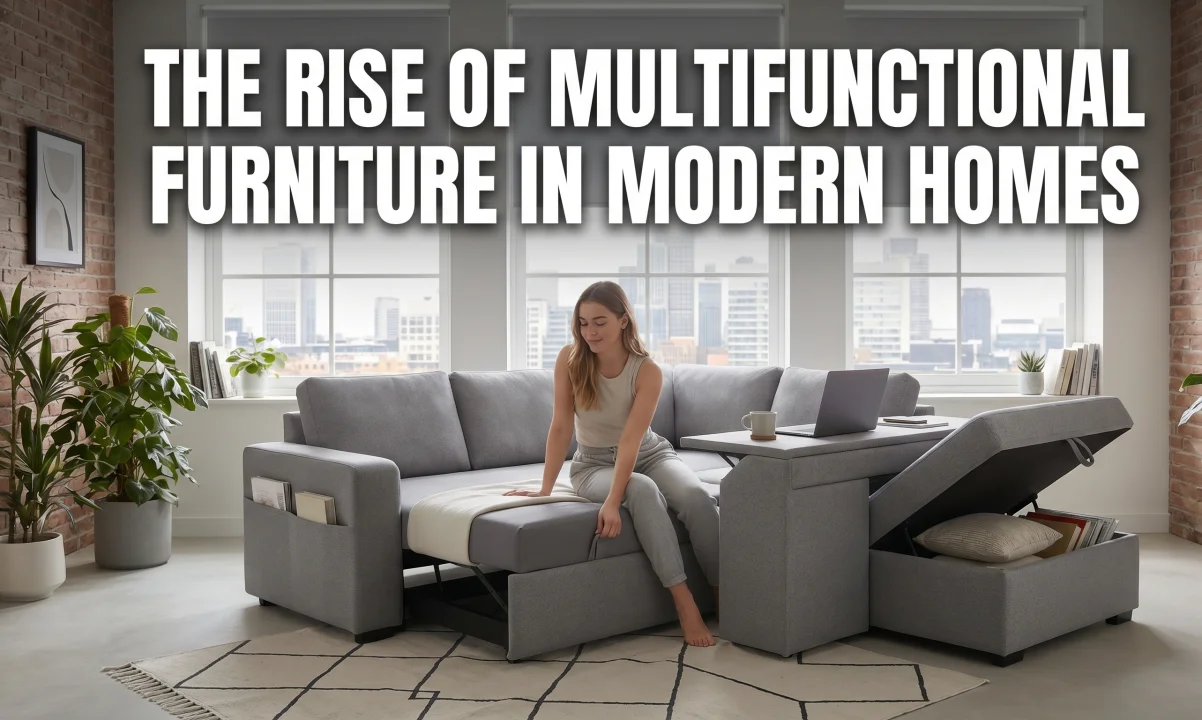
This principle has become especially important in home offices and hybrid workspaces, where furniture must support both professional efficiency and residential comfort.
3. Curves Versus Sharp Lines
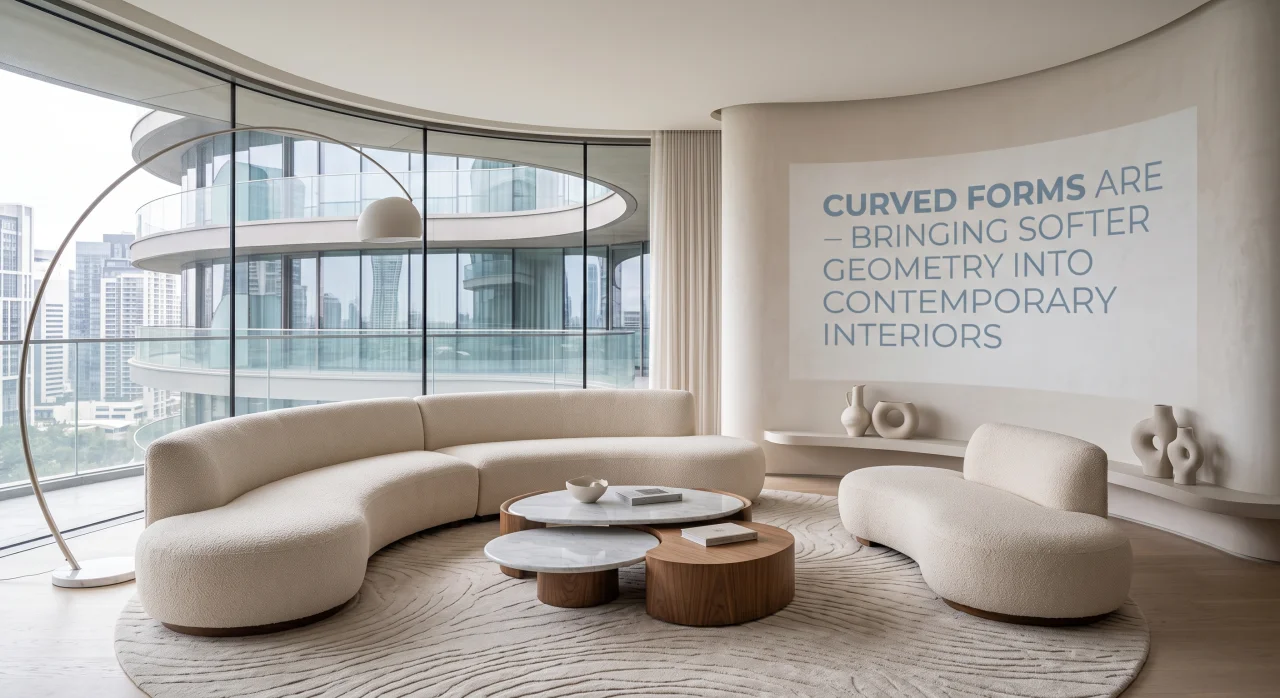
Research in environmental psychology suggests that people often perceive curved forms as more welcoming than sharp, angular designs.
As a result, rounded sofas, circular coffee tables, and organically shaped lounge chairs are becoming increasingly popular. These softer forms help create relaxing environments that encourage social interaction and emotional comfort.
4. Color and Material Influence
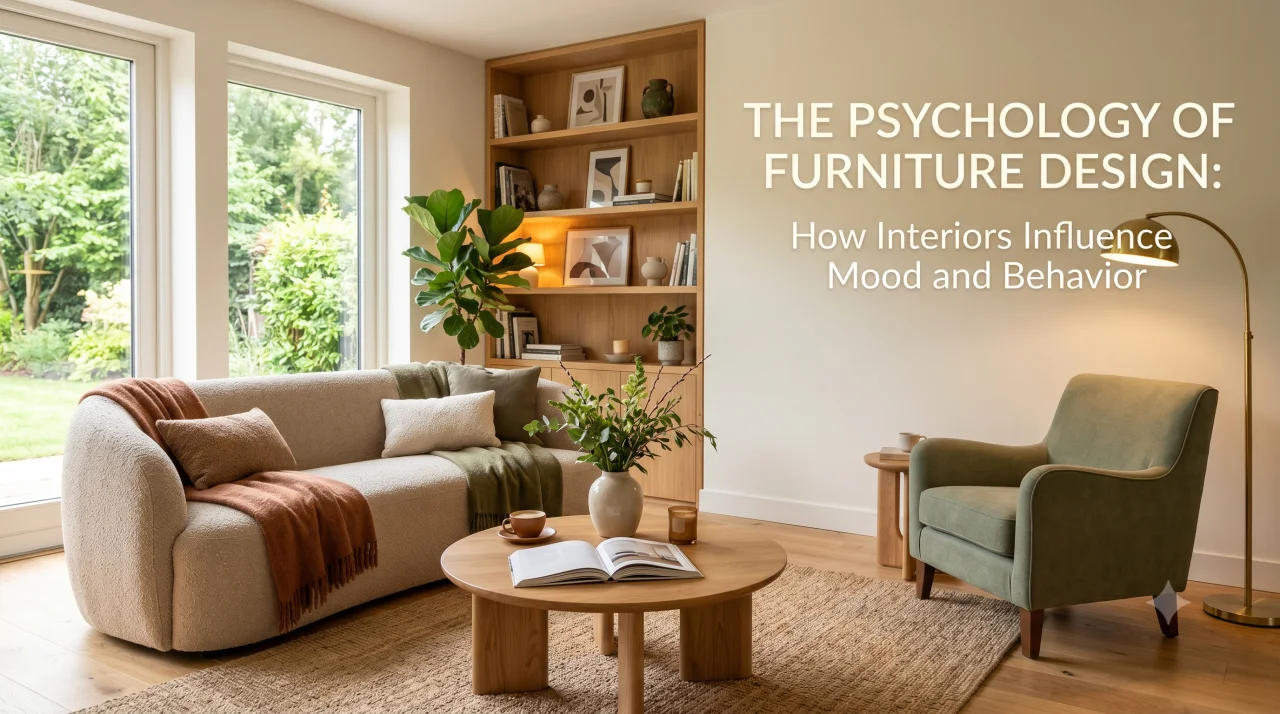
Furniture materials and finishes can significantly impact mood. Natural wood surfaces often create feelings of warmth and stability, while metal and glass can communicate sophistication and modernity.
Similarly, upholstery colors influence emotional responses. Earth tones are associated with relaxation, while brighter colors can stimulate energy and creativity when used strategically.
5. Social Interaction and Furniture Layout
Furniture arrangement affects how people communicate. Circular seating encourages conversation and inclusivity, while linear arrangements often direct attention toward a focal point such as a television or presentation screen.
Modern designers increasingly consider social behavior when planning furniture layouts, especially in open-plan homes and collaborative workspaces.
6. Furniture and Emotional Well-Being
The growing wellness movement has encouraged designers to think beyond function. Furniture is now being developed to promote relaxation, mindfulness, and mental balance.
Comfortable reading chairs, acoustic furniture, biophilic design elements, and adaptable seating systems contribute to environments that support emotional health and reduce everyday stress.
7. The Future of Human-Centered Furniture Design
As technology and design continue to evolve, furniture will become even more responsive to human needs. Future innovations may include adaptive seating that adjusts automatically to body posture, wellness-focused materials, and environments personalized through data-driven insights.
Rather than simply filling a room, furniture will increasingly serve as an active participant in enhancing quality of life.
Furniture design is about far more than appearance. Every shape, material, color, and layout decision influences how people experience a space. By understanding the psychology behind furniture and interiors, designers can create environments that foster comfort, productivity, connection, and well-being.