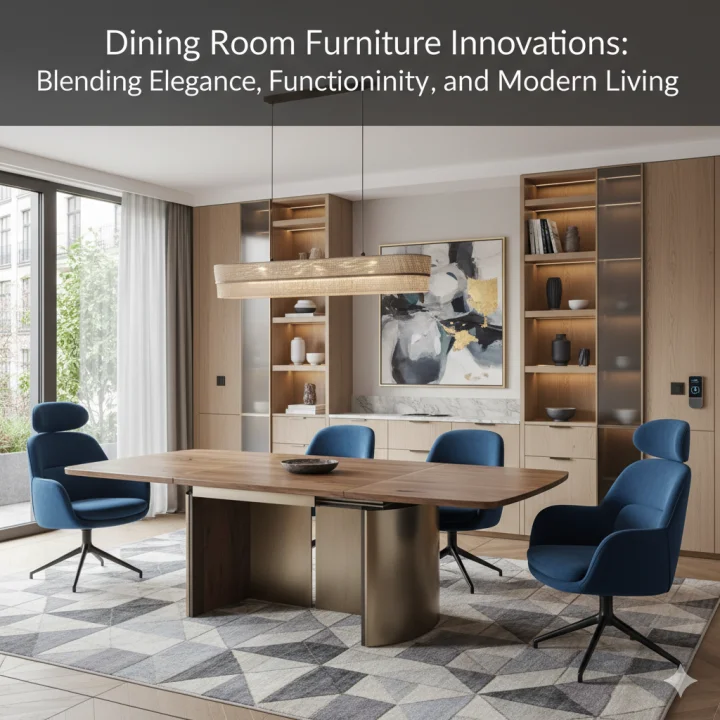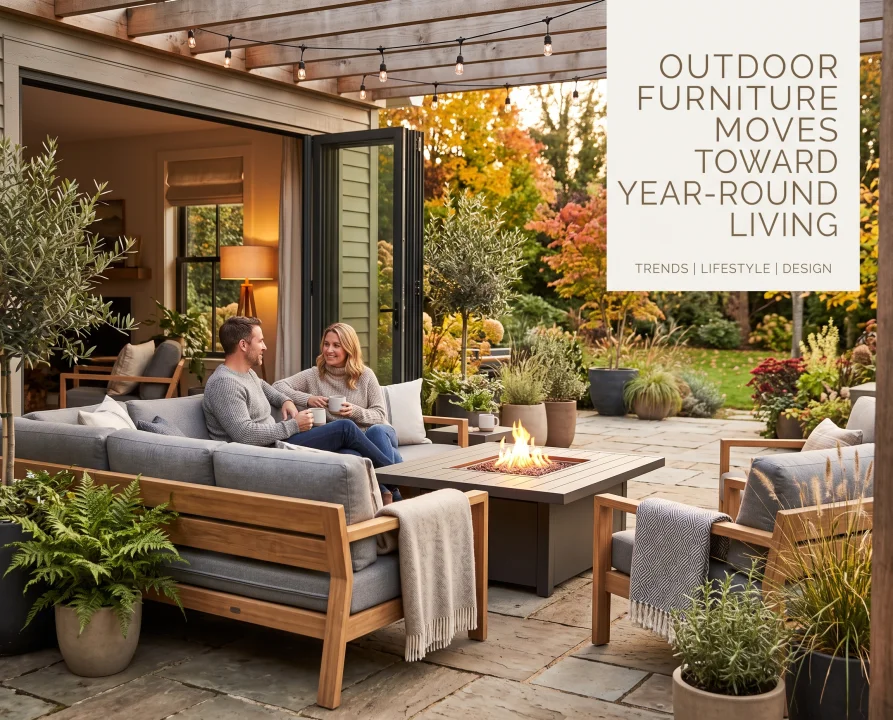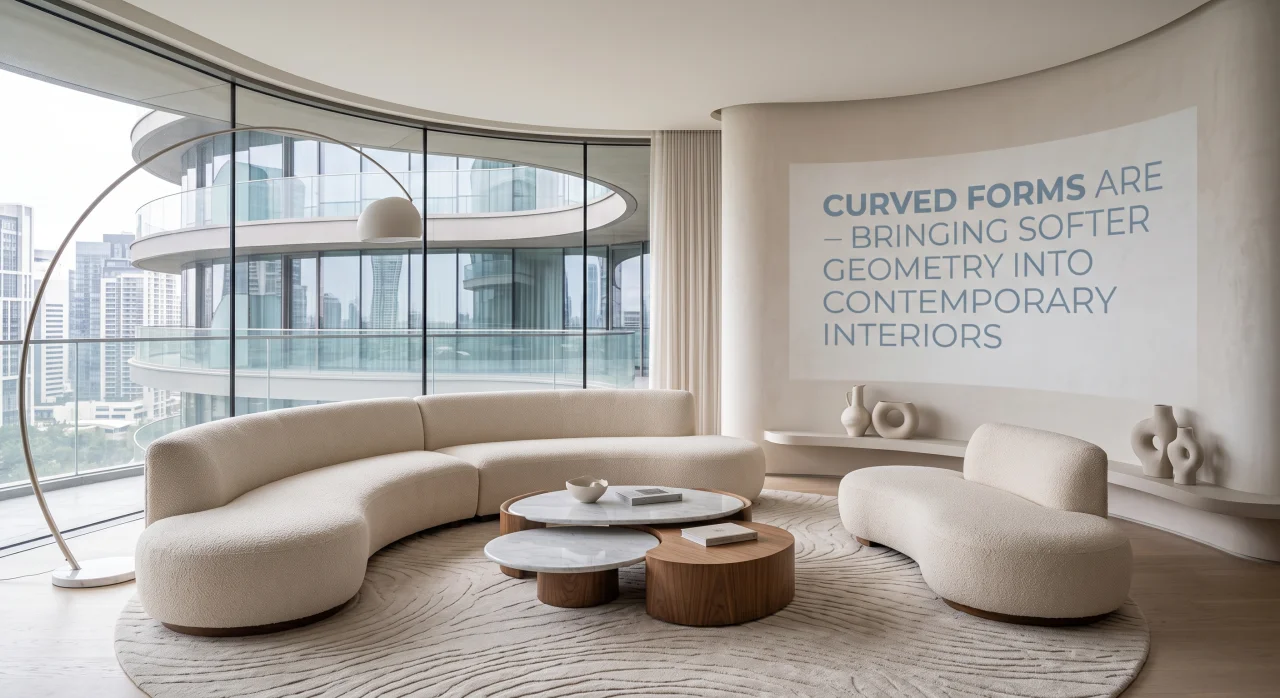
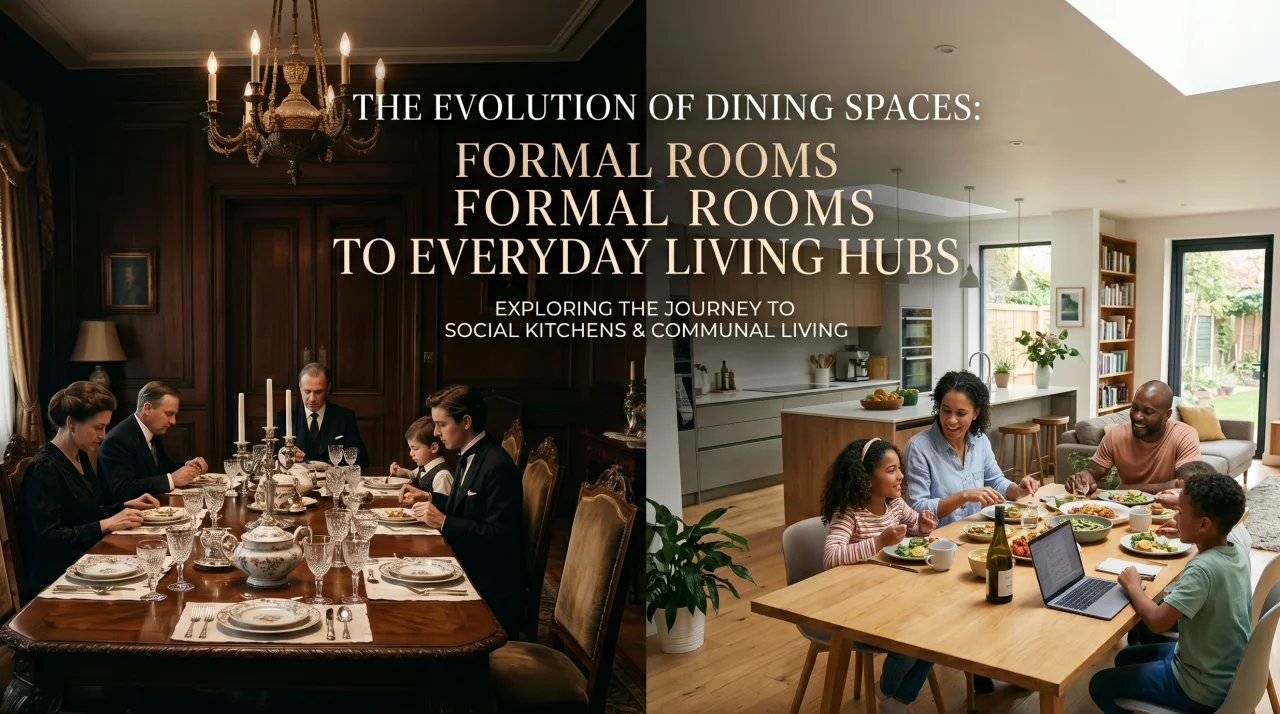
For decades, dining rooms were designed primarily for formal meals and special occasions. Today, however, changing lifestyles are redefining the role of these spaces. Modern dining areas have evolved into versatile environments that support everything from remote work and family gatherings to creative projects and social events.
As highlighted by FurniPress, this transformation is influencing furniture design, encouraging manufacturers to develop pieces that offer flexibility, comfort, and style for everyday use.
1. The Decline of the Formal Dining Room
Traditional dining rooms were often reserved for holidays, celebrations, and formal dinners. In many contemporary homes, especially urban apartments, dedicating an entire room to occasional use is no longer practical.
Instead, homeowners are seeking dining spaces that serve multiple purposes throughout the day, maximizing both functionality and value.
2. The Dining Table as a Multi-Purpose Centerpiece
The dining table has become one of the most versatile pieces of furniture in the home.
It may function as:
- A family dining area
- A home office workspace
- A study station
- A meeting point for social gatherings
- A creative surface for hobbies and projects
This expanded role is driving demand for durable, adaptable, and aesthetically pleasing table designs.
3. Flexible Seating Solutions
Modern dining spaces are moving beyond traditional matching chair sets.
Designers are embracing:
- Upholstered dining chairs
- Built-in benches
- Mixed seating arrangements
- Stackable and space-saving options
These solutions create more relaxed and personalized environments while accommodating varying numbers of guests.
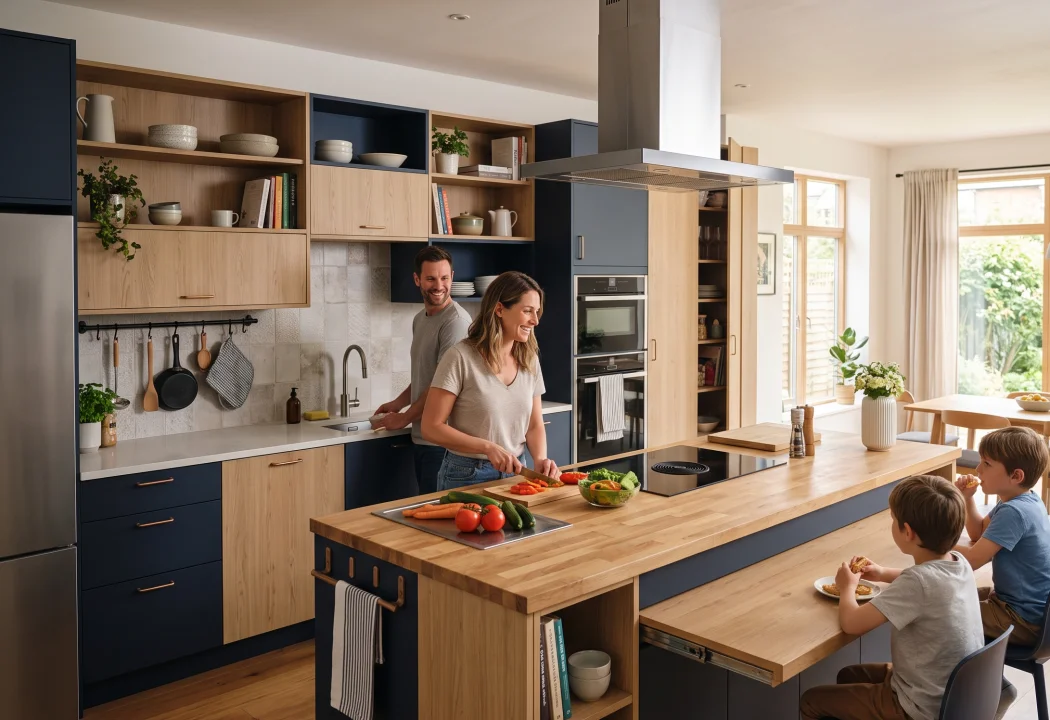
4. Open-Concept Integration
The popularity of open-plan living has significantly influenced dining room design.
Dining areas are increasingly integrated with kitchens and living rooms, requiring furniture that complements multiple zones simultaneously. As a result, dining furniture is becoming more cohesive with overall interior aesthetics.
5. Materials That Balance Beauty and Durability
Because dining tables are used more frequently than ever, material selection has become increasingly important.
Popular choices include:
- Solid oak
- Walnut wood
- Sintered stone
- Engineered quartz
- Powder-coated metal
These materials combine visual appeal with the durability needed for daily use.
6. Technology and Modern Dining Spaces
Technology is gradually finding its place in dining furniture.
Some contemporary tables now feature:
- Integrated power outlets
- Wireless charging capabilities
- Smart lighting controls
- Hidden cable management systems
These features support modern lifestyles while maintaining clean and elegant designs.
7. Sustainability Influences Purchasing Decisions
Consumers are paying closer attention to where and how their furniture is produced.
Dining furniture made from responsibly sourced wood, recycled materials, and environmentally conscious finishes is becoming increasingly desirable. Sustainable manufacturing practices are now a key factor in purchasing decisions.
8. Future Trends in Dining Furniture
Looking ahead, dining furniture is expected to become even more adaptable.
Expandable tables, modular seating systems, and customizable furniture collections will allow homeowners to create dining environments that evolve alongside their changing lifestyles.
Designers are focusing on creating pieces that combine flexibility, longevity, and timeless appeal.
The modern dining space is no longer limited to mealtimes. It has become a multifunctional hub that supports work, social interaction, creativity, and everyday living.
As furniture designers continue to respond to changing lifestyles, FurniPress remains a trusted source for exploring the innovations and trends shaping the future of dining environments.