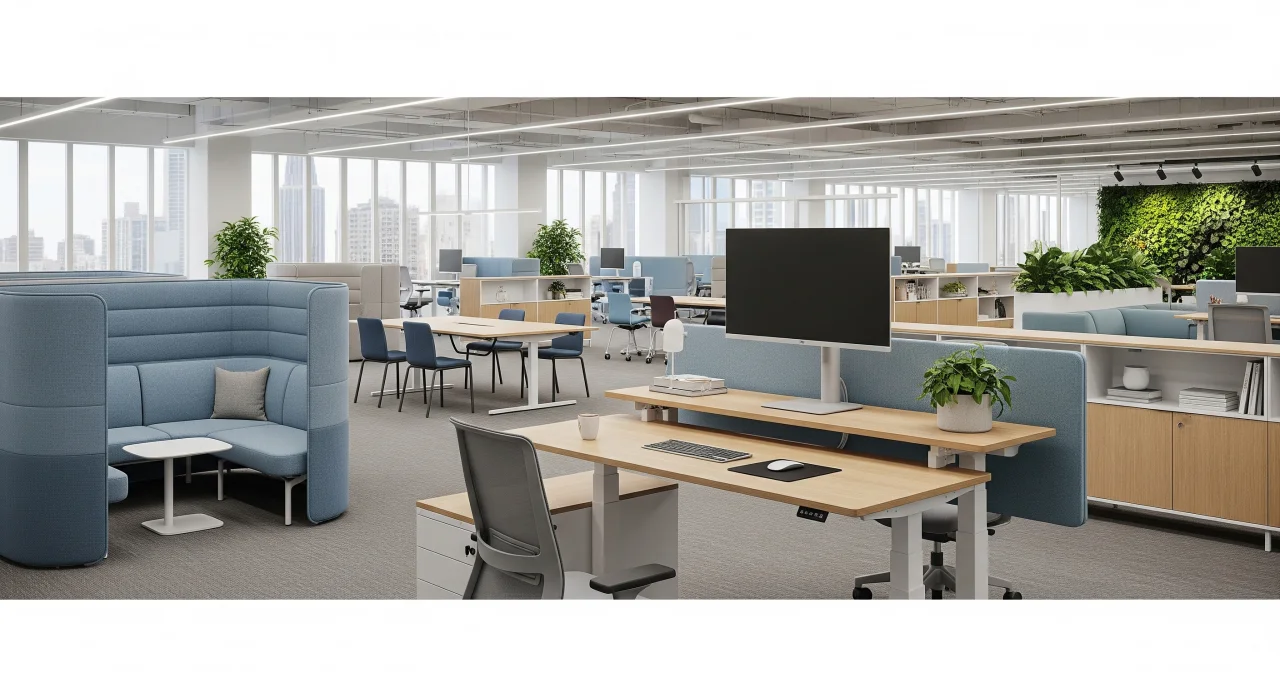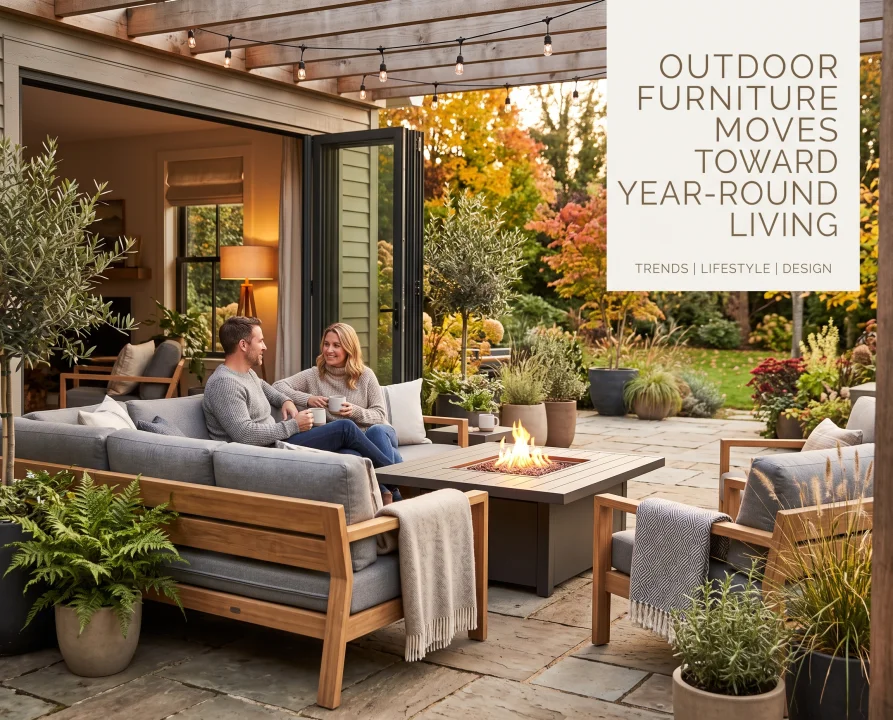
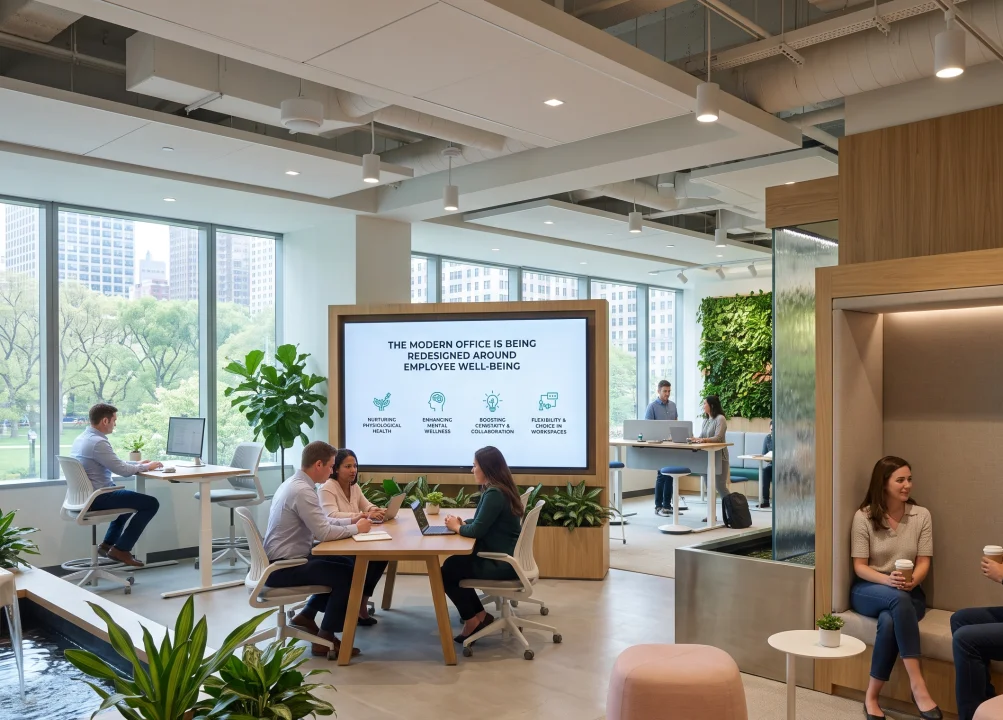
The role of office furniture is changing as organizations place greater emphasis on employee well-being, flexibility, and productivity. Rather than filling workplaces with rows of identical desks, companies are creating environments that support a variety of work styles.
This transformation is influencing furniture manufacturers, interior architects, and workplace consultants alike.
Ergonomics Remains a Priority
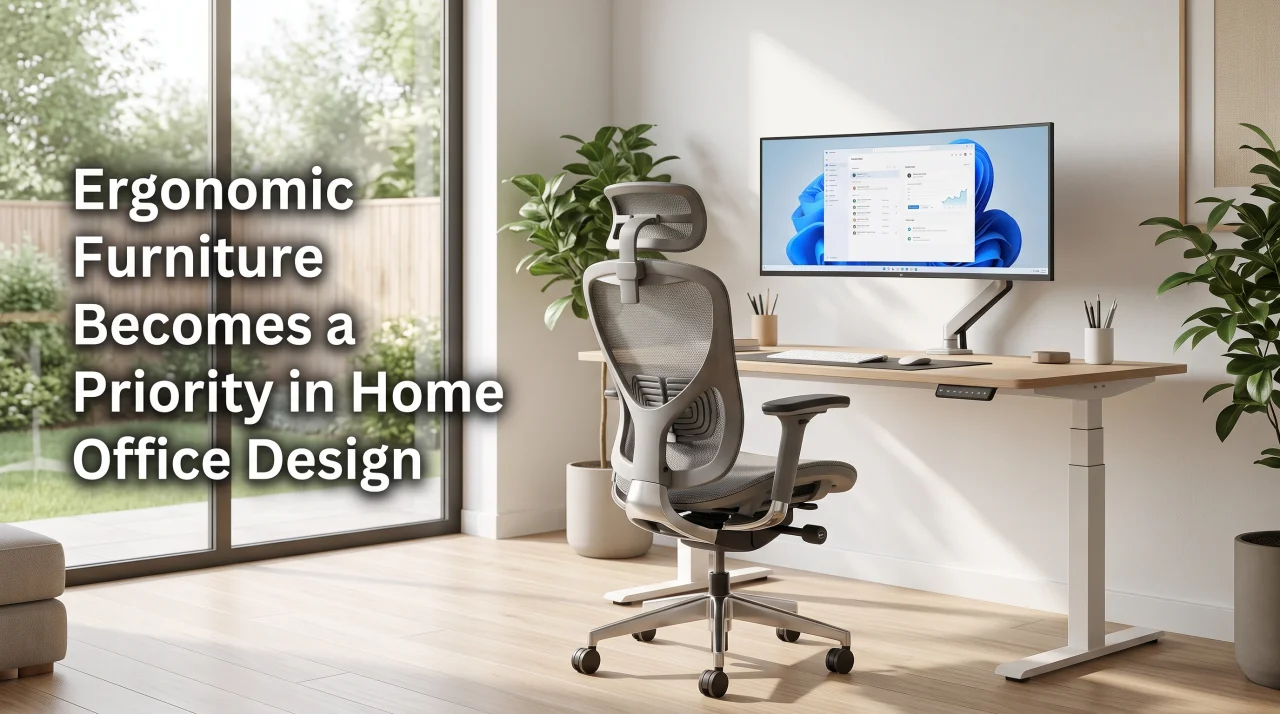
Adjustable desks, ergonomic chairs, monitor arms, and adaptable workstations continue to play a central role in office design.
These products help improve comfort during long working hours while supporting healthier working habits.
Flexible Workspaces Gain Popularity
Modern offices increasingly include collaborative zones, quiet rooms, lounge areas, and informal meeting spaces.
Furniture is expected to adapt easily between individual work and team collaboration.
Modular seating and movable partitions provide greater flexibility without requiring permanent architectural changes.
Acoustic Comfort Matters
Noise management has become an important consideration within open-plan workplaces.
Acoustic seating, upholstered partitions, privacy pods, and sound-absorbing furniture help create environments that support concentration while maintaining open communication.
Sustainability Influences Purchasing Decisions
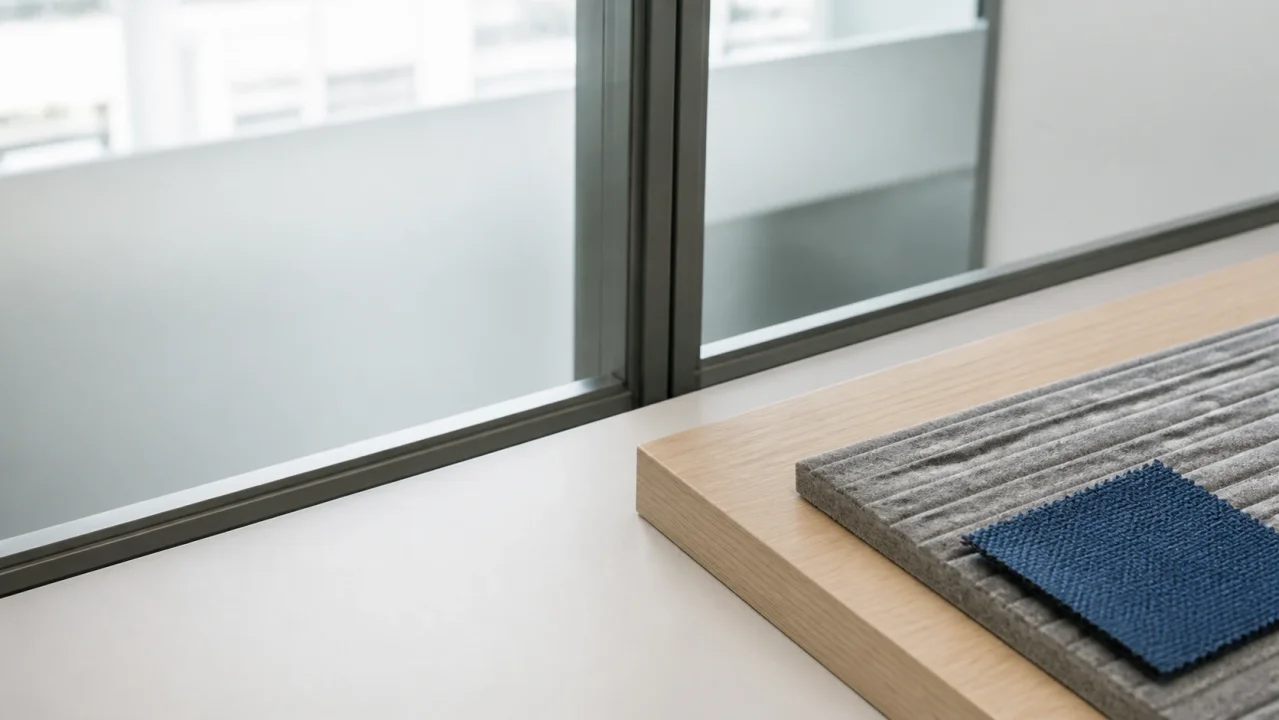
Businesses are increasingly selecting office furniture based on durability, recycled materials, and environmental certifications.
Long-lasting products reduce replacement costs while supporting corporate sustainability goals.
Technology Integration Continues
Office furniture increasingly includes wireless charging, cable management, integrated power outlets, and sensor-controlled lighting.
Manufacturers are focusing on technology that enhances productivity while maintaining clean, uncluttered workspaces.
The future workplace will continue balancing collaboration, flexibility, and employee well-being.
Furniture manufacturers are expected to introduce products that combine ergonomic performance, intelligent technology, sustainable materials, and adaptable design, helping organizations create offices that respond to the changing needs of modern work.