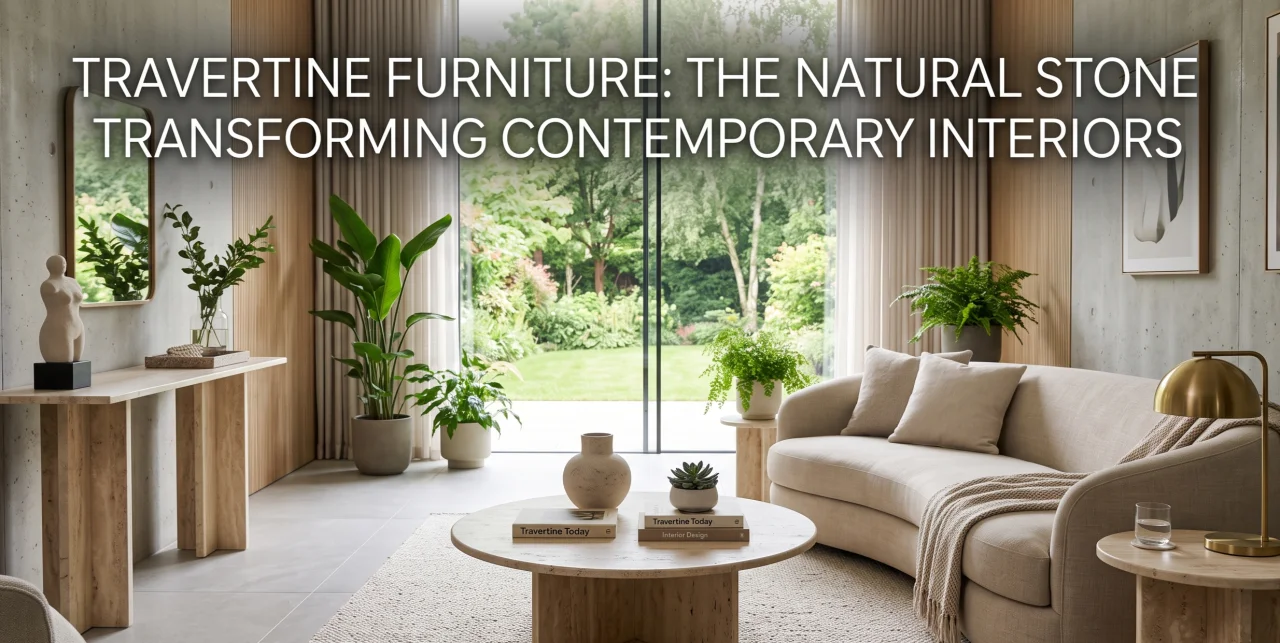
Natural stone has always represented elegance and durability in architecture and interior design. Among the many stone materials available today, travertine has emerged as one of the most desirable choices for contemporary furniture. Its soft textures, earthy tones, and timeless appearance make it a favorite among interior designers seeking to create sophisticated yet welcoming spaces.
According to trends observed by FurniPress, travertine furniture is becoming increasingly popular in both residential and commercial interiors, offering a balance between natural beauty and modern design.
What Is Travertine?
Travertine is a natural limestone formed over thousands of years through mineral deposits from hot springs. Its distinctive surface features subtle pores and unique patterns that make every slab one of a kind.
Available in shades ranging from ivory and cream to beige, walnut, and silver-gray, travertine complements a wide variety of interior styles while maintaining an understated elegance.
Why Travertine Is Trending
Homeowners and designers are increasingly choosing materials that feel authentic and timeless rather than overly manufactured.
Travertine offers a warm, organic appearance that softens contemporary interiors while adding visual texture. Unlike polished synthetic materials, its natural imperfections create character and depth, making every furniture piece unique.
Popular Applications in Furniture Design
Travertine is now featured in a wide range of furniture collections, including:
- Coffee tables
- Dining tables
- Console tables
- Side tables
- TV units
- Shelving systems
- Benches
Many designers combine travertine with oak, walnut, brushed brass, or black steel to create elegant contrasts between natural stone and modern materials.
A Perfect Match for Contemporary Styles
One of travertine's greatest strengths is its versatility.
It blends beautifully with:
- Minimalist interiors
- Organic modern homes
- Scandinavian design
- Mediterranean-inspired spaces
- Contemporary luxury residences
- Boutique hotels
Its neutral tones allow it to pair effortlessly with wood, linen, boucle fabrics, and natural lighting.
Durability and Everyday Performance
Although travertine is valued for its appearance, it is also appreciated for its durability.
Properly sealed travertine resists everyday wear and can maintain its beauty for decades. Regular maintenance involves cleaning with pH-neutral products and avoiding acidic substances that may damage the stone's surface.
With appropriate care, travertine furniture becomes a long-term investment that ages gracefully over time.
Sustainability and Natural Materials
As consumers become more environmentally conscious, natural stone is gaining renewed attention.
Travertine requires minimal processing compared to many engineered materials, making it an appealing option for sustainable interior projects. Its longevity also reduces the need for replacement, supporting more responsible consumption.
The Future of Travertine Furniture
Designers continue to explore innovative ways to incorporate travertine into contemporary collections.
Future trends include thinner stone profiles, modular furniture systems, mixed-material designs, and combinations with recycled metals and sustainable wood species. These innovations preserve travertine's timeless appeal while adapting it to modern lifestyles.
Travertine furniture represents the growing appreciation for natural materials that combine elegance, durability, and authenticity. Whether featured in a statement dining table or a minimalist coffee table, this remarkable stone brings warmth and sophistication to contemporary interiors.
As interest in organic materials continues to grow, FurniPress remains committed to highlighting furniture trends that blend exceptional craftsmanship with timeless design, and travertine stands out as one of the defining materials shaping the future of luxury interiors.