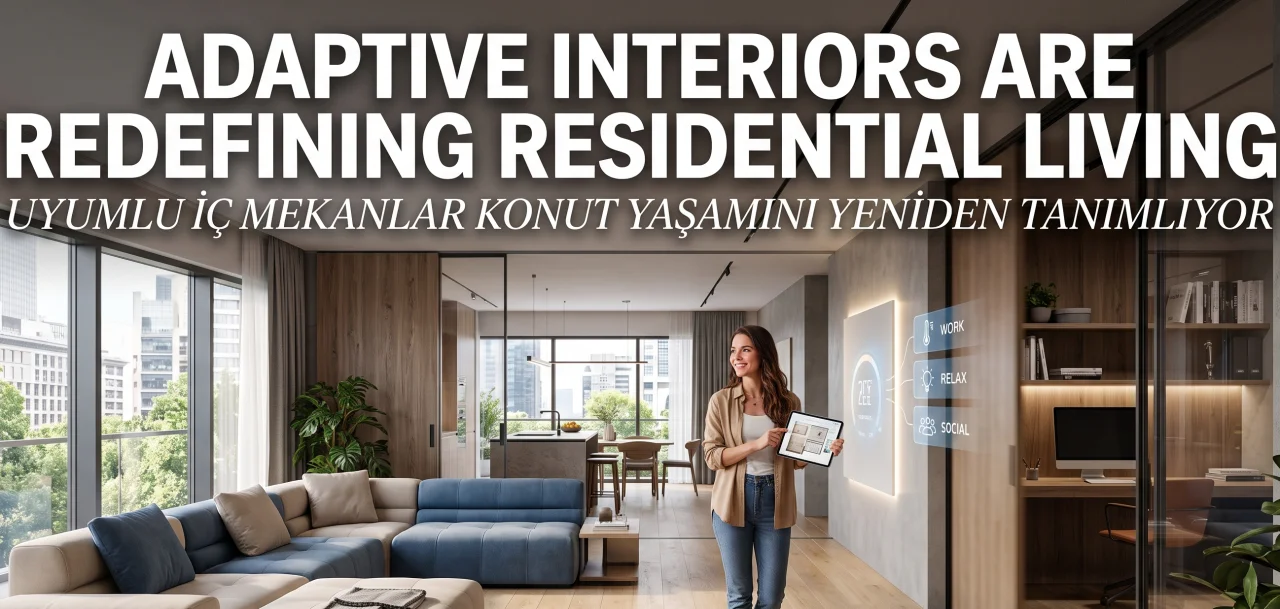
Modern homes are expected to support more activities than ever before. Living rooms become workspaces, dining rooms host virtual meetings, and bedrooms often include study areas.
As lifestyles become increasingly dynamic, interior architects are developing adaptive interiors that allow spaces to change according to daily needs.
Flexibility Becomes Essential
Movable partitions, modular furniture, foldable tables, and mobile storage systems allow homeowners to quickly transform interiors without major renovations.
This flexibility is particularly valuable in compact urban apartments where maximizing usable space is essential.
Furniture Supports Multiple Functions
Rather than serving a single purpose, contemporary furniture is designed to adapt.
A sofa may include hidden storage, a dining table can expand for guests, and wall-mounted furniture can disappear when not in use.
These solutions improve functionality while maintaining clean and organized interiors.
Technology Enhances Adaptability
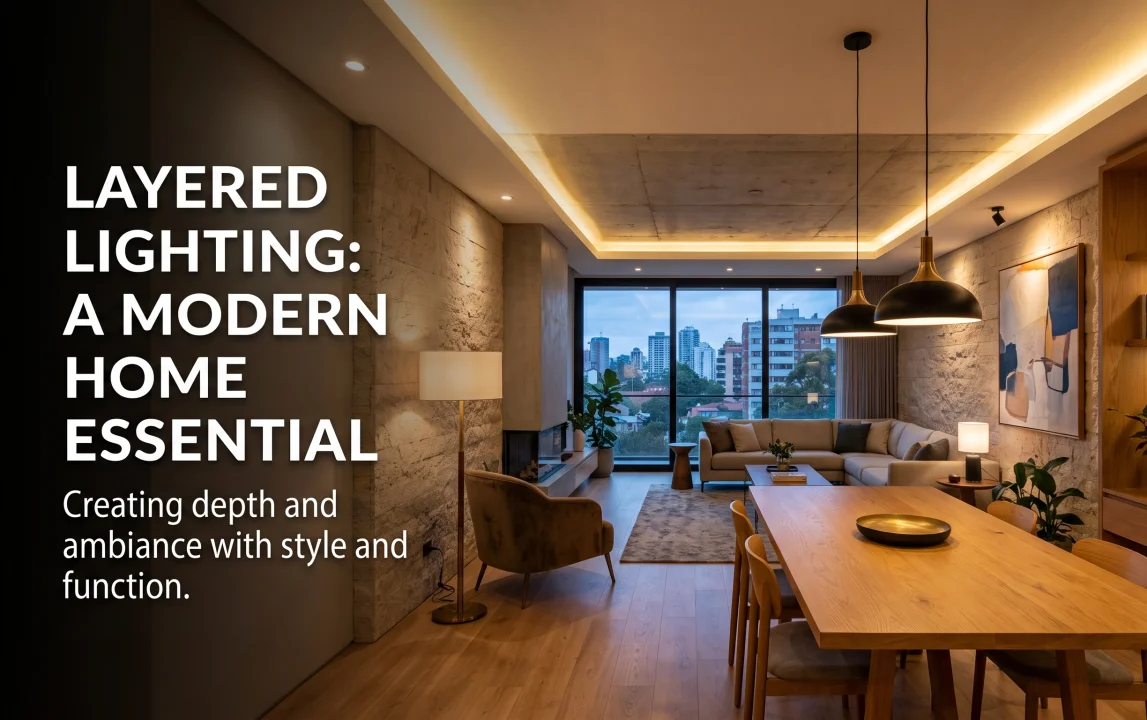
Smart lighting, automated blinds, and integrated home controls help interiors respond to changing activities throughout the day.
Together with flexible furniture, these technologies create homes that are both efficient and comfortable.
Adaptive interiors are expected to become a standard approach in residential architecture as homeowners seek spaces that evolve with changing lifestyles.