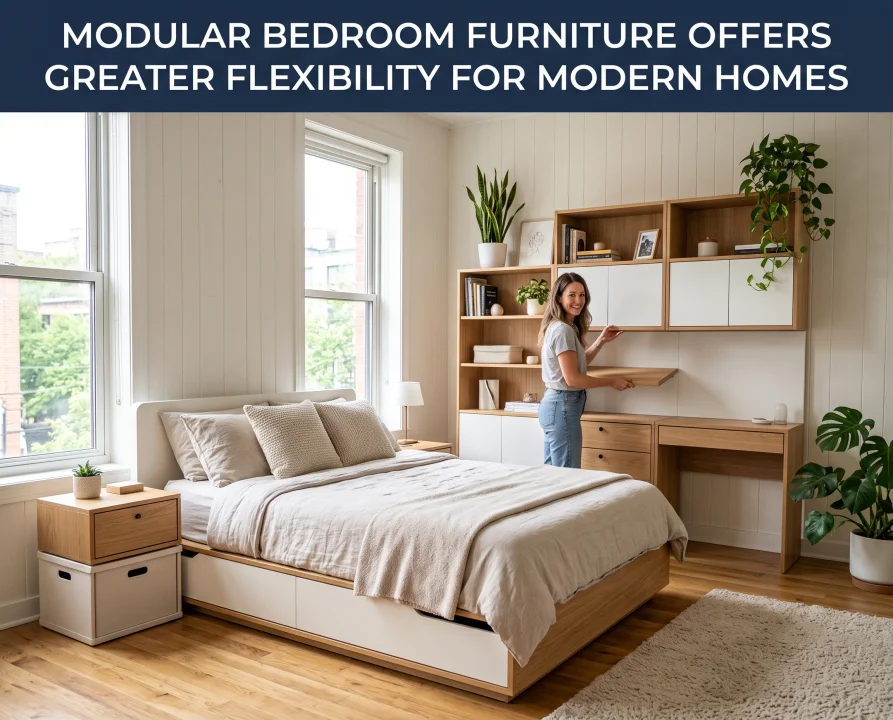
Bedrooms are changing as modern homes become more compact and lifestyles become increasingly flexible. Furniture manufacturers are responding to these changes with modular bedroom collections that allow users to configure products according to the dimensions and requirements of their spaces.
Rather than relying on fixed furniture arrangements, modular systems give homeowners greater control over storage, sleeping areas, and organization. This flexibility is becoming particularly valuable in urban apartments where available space needs to serve multiple purposes.
Customizable Storage Systems
Storage remains one of the most important considerations in bedroom design.
Modular wardrobes can be configured with different combinations of shelves, drawers, hanging areas, and accessories. This allows users to create storage systems based on their individual requirements rather than adapting their belongings to a predetermined configuration.
Some systems can also be expanded or reorganized over time.
Beds Become Multifunctional
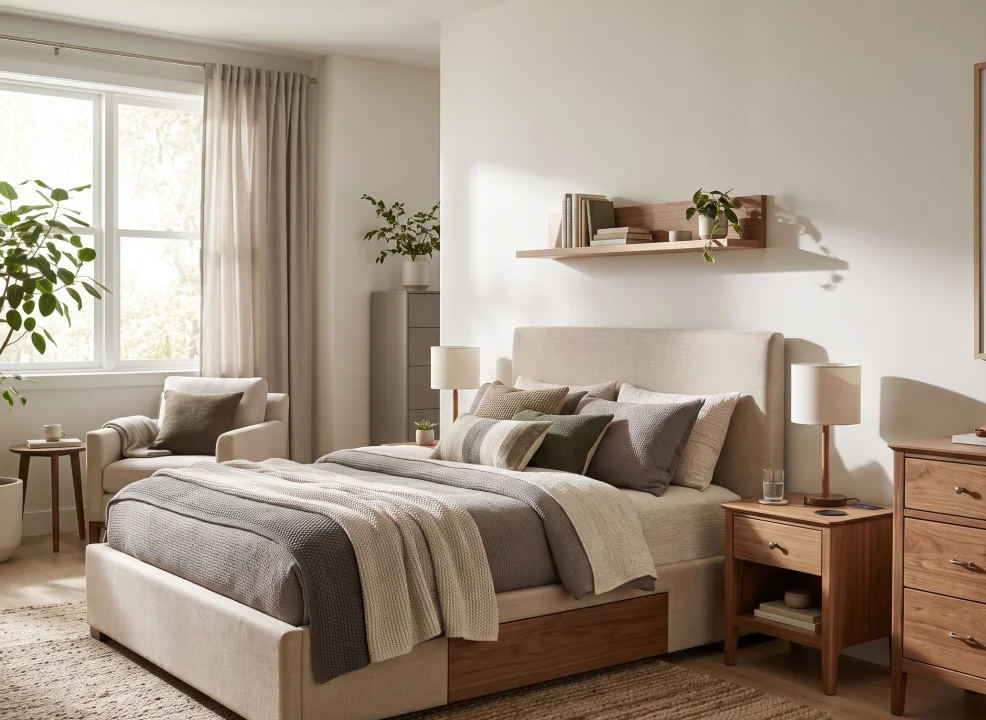
The bed remains the central element of the bedroom, but contemporary designs increasingly incorporate additional functions.
Storage compartments, integrated shelving, bedside surfaces, and lighting can be incorporated into bed structures. These solutions can reduce the need for additional furniture and help create more organized interiors.
For smaller bedrooms, multifunctional beds can be particularly useful.
Furniture That Adapts Over Time
One of the major advantages of modular furniture is its ability to change.
A bedroom arrangement that works for one stage of life may not be suitable several years later. Modular systems can potentially be rearranged, expanded, or reduced as requirements change.
This makes adaptability an increasingly important consideration when purchasing bedroom furniture.
Material Choices Remain Important
Modular construction does not mean sacrificing aesthetics.
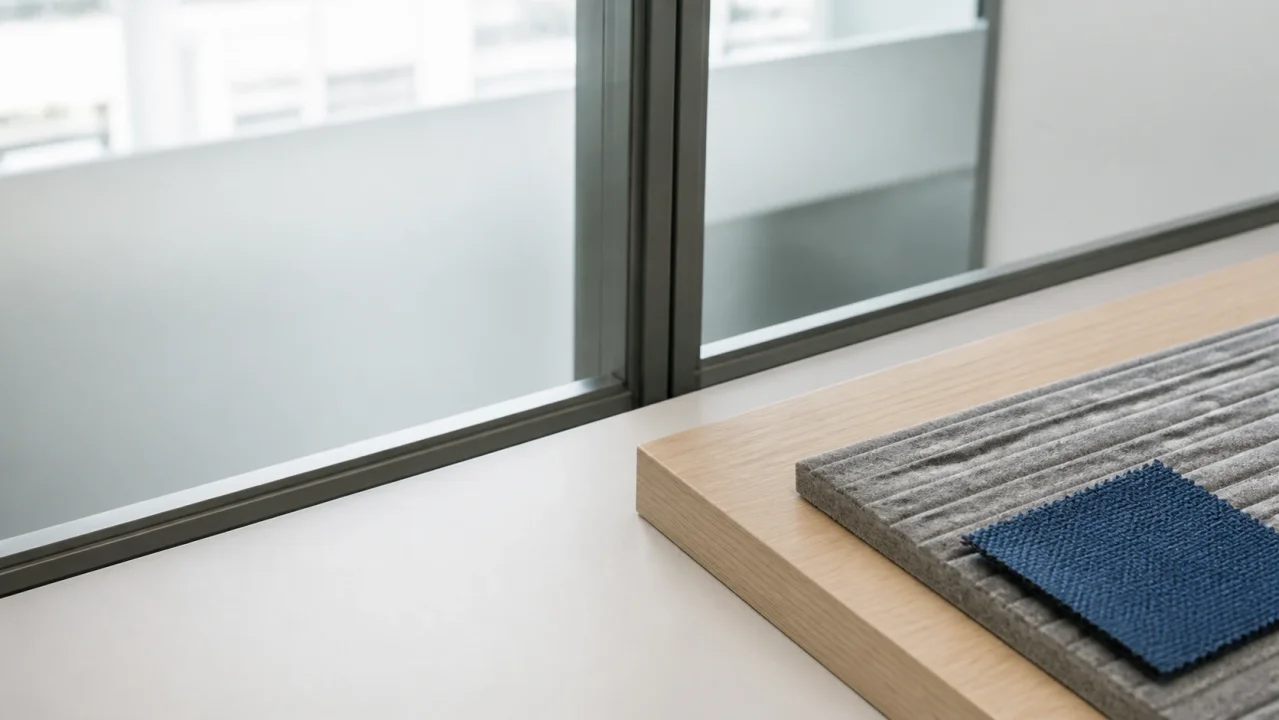
Manufacturers are combining wood finishes, textiles, metal components, and contemporary surfaces to create systems that can complement different interior styles.
Neutral finishes can provide long-term versatility, while distinctive materials can give modular collections a stronger visual identity.
Sustainability Through Adaptability
Furniture that can be modified rather than replaced can support longer product lifecycles.
If a wardrobe can be expanded or a storage system reconfigured, consumers may not need to purchase an entirely new product when their needs change.
This approach can reduce unnecessary replacement and contribute to more sustainable furniture consumption.
Technology Enters the Bedroom
Technology is also becoming part of modular bedroom furniture.
Integrated lighting, charging stations, adjustable systems, and concealed cable management can provide additional functionality without creating visual clutter.
The challenge for manufacturers is integrating these technologies while maintaining reliability and ease of maintenance.
The Future of Bedroom Furniture
The future of bedroom furniture is likely to focus increasingly on flexibility.
Modular beds, wardrobes, storage systems, and multifunctional products can help homeowners create interiors that adapt to changing lifestyles and spatial requirements.
Modular bedroom furniture represents a shift away from fixed furniture arrangements toward more adaptable living environments. Through customizable storage, multifunctional beds, integrated technology, and sustainable design principles, manufacturers are creating products that can evolve alongside their users.
As residential spaces continue to change, flexibility will remain one of the most important qualities in bedroom furniture design.