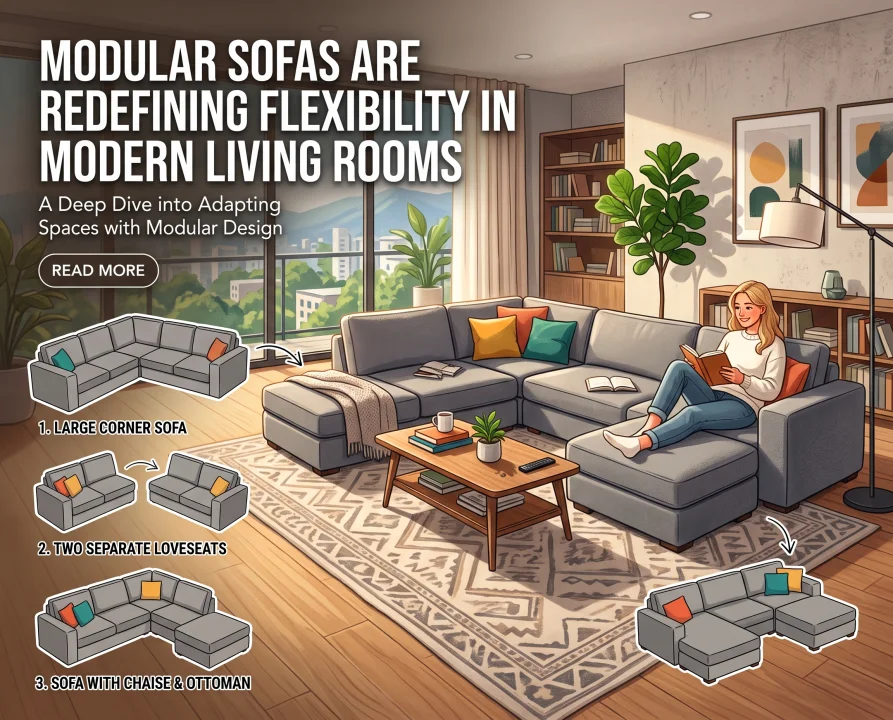
The living room remains one of the most important areas of the home, but the way people use it is changing. Watching television, socializing, working, reading, and relaxing can all take place within the same space.
This has increased demand for living room furniture that can adapt to different activities. Modular sofas are becoming an increasingly popular solution, allowing users to change seating arrangements according to their needs.
Flexibility Becomes a Design Priority
Traditional sofas generally have a fixed configuration.
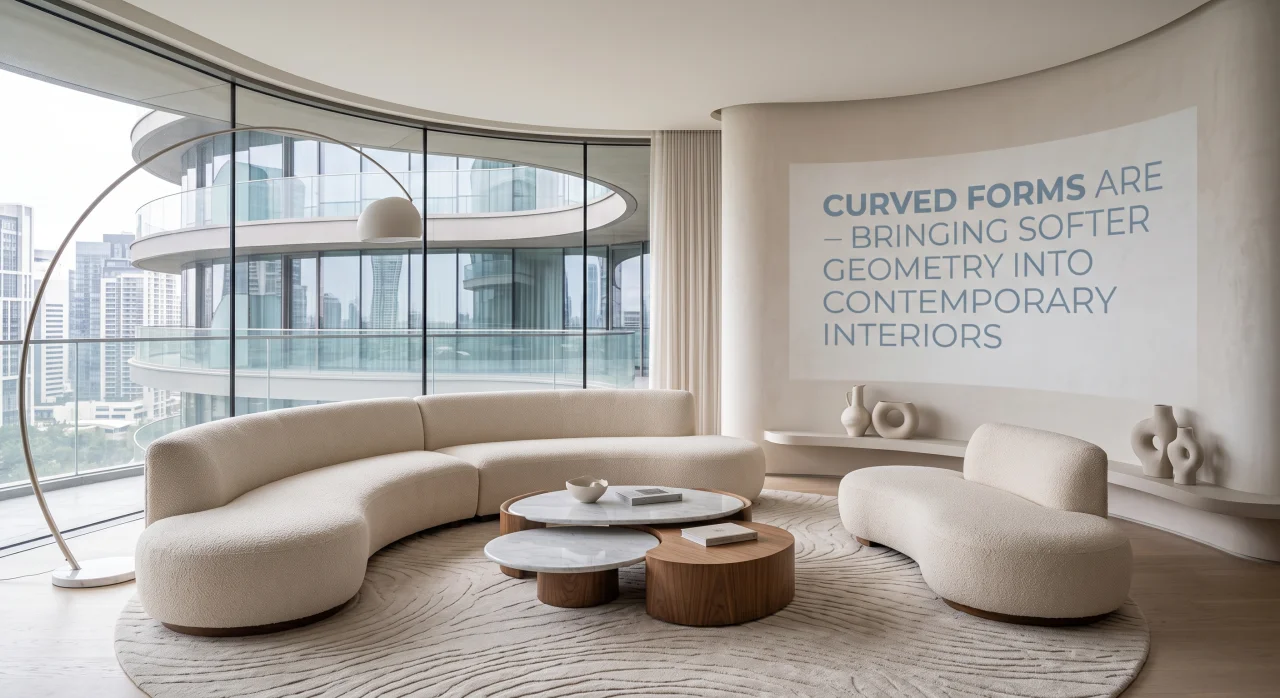
Modular sofas, by contrast, consist of individual sections that can be arranged in different ways. Depending on the design, users may create straight seating, corner configurations, chaise arrangements, or larger sectional compositions.
This flexibility allows the furniture to respond to different room layouts.
Modular Furniture Works in Different Homes
One of the advantages of modular sofas is their ability to work across different spaces.
A compact configuration can suit a small apartment, while additional modules can be added to accommodate a larger living room.
This makes modular furniture particularly attractive to consumers who expect their homes or lifestyles to change over time.
Comfort Remains Central
Flexibility does not eliminate the importance of comfort.
Manufacturers are developing modular sofas with ergonomic seating proportions, supportive backrests, high-quality cushioning, and a wide range of upholstery options.
The result is furniture that combines adaptability with everyday comfort.
Materials Define the Character
Modular sofas are available in a broad range of materials and finishes.
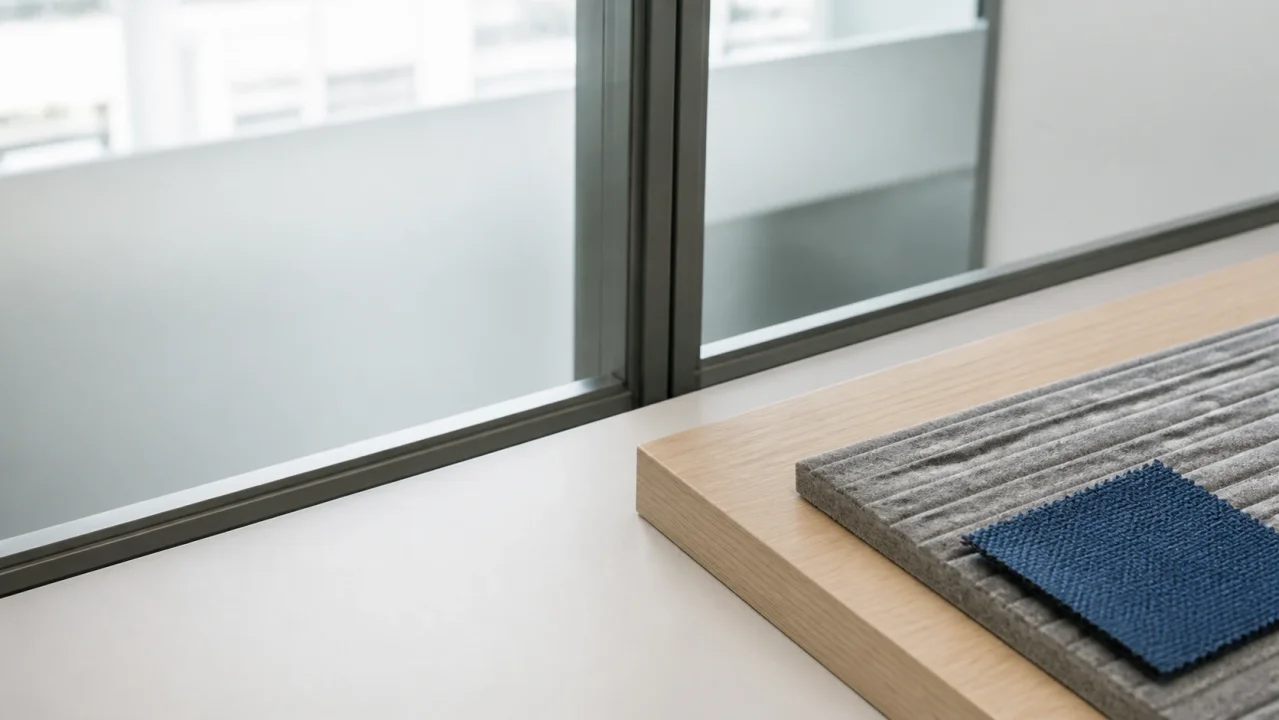
Textured fabrics can create a softer and more relaxed appearance, while leather can provide a more structured aesthetic. Removable covers can also make maintenance easier and potentially extend the useful life of the product.
Modular Sofas and Small Spaces
In compact interiors, flexibility can be particularly valuable.
Furniture that can be rearranged allows residents to change circulation paths or create additional floor space when necessary.
Some modular collections also incorporate storage or multifunctional components, further increasing their efficiency.
Sustainability Through Longevity
Adaptability can contribute to furniture longevity.
If a homeowner moves to a larger property, additional modules may be added rather than replacing the entire sofa. Damaged components may also be replaceable in some systems.
This approach can reduce unnecessary furniture replacement.
Technology Integration
Some contemporary modular seating systems are incorporating technology into their designs.
Integrated charging points, lighting, side tables, and other accessories can turn a sofa into a multifunctional living environment.
These features are generally designed to remain visually integrated with the furniture.
The Future of Living Room Furniture
As homes continue to support increasingly diverse activities, modular furniture is likely to become even more important.
The ability to change configuration without purchasing an entirely new product provides both practical and economic advantages.
Modular sofas are changing the way living rooms are designed and used. Their flexible configurations, adaptable dimensions, and multifunctional possibilities make them well suited to contemporary lifestyles.
As consumers look for furniture that can evolve alongside their homes, modular systems are likely to remain a major direction within the living room furniture market.