
Workspace Lighting Trends: Illuminating Productivity and Well-Being in Modern Interiors
Explore the latest workspace lighting trends shaping modern offices and home workspaces. Discover smart lighting, biophilic design, and ergonomic solutions that enhance productivity and comfort.
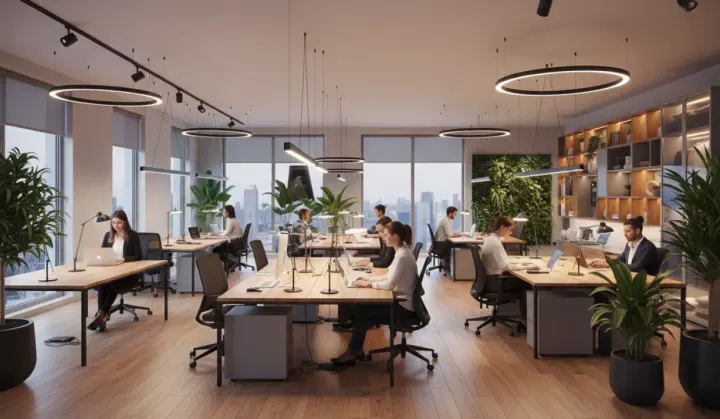
Lighting has become a defining element of contemporary workspace design. Beyond visibility, it now plays a crucial role in productivity, mood, and overall well-being. As highlighted by FurniPress, workspace lighting trends are evolving toward smarter, more human-centered solutions that support both professional performance and comfort in modern interiors.
1. Human-Centric Lighting
One of the most influential trends in workspace lighting is human-centric design. This approach aligns artificial lighting with natural circadian rhythms by adjusting brightness and color temperature throughout the day. Cooler tones in the morning promote alertness, while warmer hues in the afternoon support relaxation and focus.
This biologically responsive lighting helps reduce eye strain and fatigue, making it especially valuable for remote workers and hybrid offices.
2. Layered Lighting Concepts
Modern workspaces are moving away from single overhead light sources in favor of layered lighting systems. Ambient lighting provides general illumination, task lighting supports focused work, and accent lighting adds depth and character to the space.
Desk lamps, under-shelf LEDs, and wall-mounted fixtures work together to create balanced environments that adapt to different tasks and times of day.
3. Smart Lighting Integration
Technology continues to reshape workspace lighting. Smart lighting systems allow users to control brightness, color temperature, and scheduling via mobile apps or voice assistants. Motion sensors and automated dimming improve energy efficiency while maintaining optimal lighting conditions throughout the day.
These intelligent systems support personalized work environments and reduce unnecessary energy consumption.
4. Biophilic Lighting Design
Biophilic design principles are increasingly influencing workspace lighting. Fixtures that mimic natural daylight patterns, combined with soft shadows and indirect illumination, help recreate outdoor environments indoors.
This trend is often paired with natural materials and indoor plants, reinforcing a sense of connection to nature and contributing to improved mental well-being.
5. Minimalist Fixtures with Architectural Impact
Workspace lighting is becoming more refined and architectural. Slim pendant lights, linear LED profiles, and recessed fixtures provide powerful illumination while maintaining a minimalist aesthetic. These designs integrate seamlessly into ceilings and furniture, supporting clean visual lines and uncluttered workspaces.
Lighting is no longer an afterthought—it is now treated as a core architectural element.
6. Portable and Flexible Lighting Solutions
As workspaces become more adaptable, lighting follows suit. Rechargeable desk lamps, clip-on lights, and movable floor fixtures offer flexibility for changing layouts. These portable solutions are ideal for home offices and shared spaces where furniture and work zones frequently shift.
7. Sustainable Lighting Choices
Sustainability is shaping lighting decisions across modern interiors. Energy-efficient LEDs, recycled fixture materials, and low-impact manufacturing processes are becoming industry standards.
Designers are also prioritizing longevity, creating lighting systems that can be upgraded or repaired rather than replaced—supporting more responsible consumption.
Workspace lighting trends reflect a growing emphasis on well-being, adaptability, and intelligent design. From human-centric systems and smart controls to minimalist fixtures and sustainable solutions, lighting is transforming work environments into spaces that inspire focus and comfort.
FurniPress continues to spotlight these evolving innovations, offering valuable insight into how lighting design enhances modern workspaces and supports healthier, more productive lifestyles.
Comments
0 comments
No published comments yet. Be the first to join the conversation.