
Quiet Luxury Influences the Design of Contemporary Furniture
Quiet luxury is influencing contemporary furniture through refined materials, understated forms, craftsmanship, neutral palettes, and long-lasting design principles.
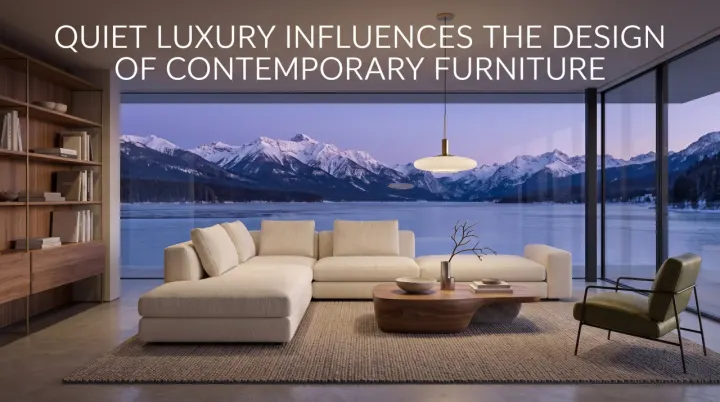
The concept of quiet luxury is influencing contemporary interiors by shifting attention away from excessive decoration and toward quality, craftsmanship, materials, and timeless design.
In furniture, this approach is creating products that communicate sophistication through subtle details rather than prominent branding or highly decorative forms.
Quality Becomes More Important Than Decoration
Quiet luxury furniture often focuses on construction and material quality.
Well-finished wood, carefully selected upholstery, natural stone, refined metals, and precise joinery can create a sense of luxury without requiring elaborate ornamentation.
The result is furniture that relies on craftsmanship rather than visual excess.
Neutral Colors Create Versatility
Neutral palettes remain strongly associated with the quiet luxury aesthetic.
Warm whites, beige, taupe, brown, gray, and muted earth tones can create furniture that works across different interior styles.
These colors also allow material texture and craftsmanship to become more visually prominent.
Simple Forms Receive Greater Attention
Quiet luxury does not necessarily mean minimalism, but it often favors restrained silhouettes.
Balanced proportions, clean lines, and carefully considered curves can create sophisticated furniture without excessive visual complexity.
This makes individual products easier to integrate into different interior environments.
Craftsmanship Becomes a Selling Point
The quality of production is becoming increasingly important in premium furniture.
Hand finishing, traditional joinery, detailed upholstery, and carefully developed surfaces can differentiate high-end furniture from mass-produced alternatives.
For manufacturers, craftsmanship can therefore become part of the brand identity.
Natural Materials Strengthen the Aesthetic
Natural materials play an important role in quiet luxury furniture.
Wood, leather, stone, wool, linen, and other tactile materials can communicate quality through their textures and natural variations.
The emphasis is often placed on letting the material speak for itself rather than covering it with excessive decoration.
Longevity Is Part of the Concept
Quiet luxury also aligns with the growing interest in long-lasting products.
Furniture designed to remain visually relevant for many years can provide greater value than products based heavily on short-lived trends.
This creates opportunities for manufacturers to focus on timeless forms and durable construction.
Technology Remains Subtle
Modern luxury furniture can incorporate technology without making it visually dominant.
Integrated charging systems, adjustable mechanisms, lighting, and smart features can be concealed within furniture structures.
This allows technology to improve functionality while maintaining a refined appearance.
Quiet Luxury in Commercial Interiors
The trend is also influencing hotels, restaurants, offices, and high-end retail environments.
Commercial spaces can use understated furniture, natural materials, and refined detailing to create premium environments without relying on excessive decoration.
Looking Ahead
Quiet luxury is likely to remain influential as consumers become more interested in quality, durability, craftsmanship, and timeless design.
Furniture brands that combine these qualities with modern functionality and responsible production can appeal to customers looking for products that offer long-term value.
Quiet luxury is changing the way sophistication is expressed in contemporary furniture.
Rather than relying on excessive decoration or visible branding, the trend emphasizes materials, craftsmanship, proportion, comfort, and longevity.
As furniture consumers continue to place greater value on quality and enduring design, these principles are likely to remain important across both residential and commercial interiors.
Comments
0 comments
No published comments yet. Be the first to join the conversation.