
Circular Design in Furniture: The Rise of Sustainable Living Spaces
Discover how circular design principles are reshaping the furniture industry through sustainable materials, modular systems, and long-lasting interior solutions.
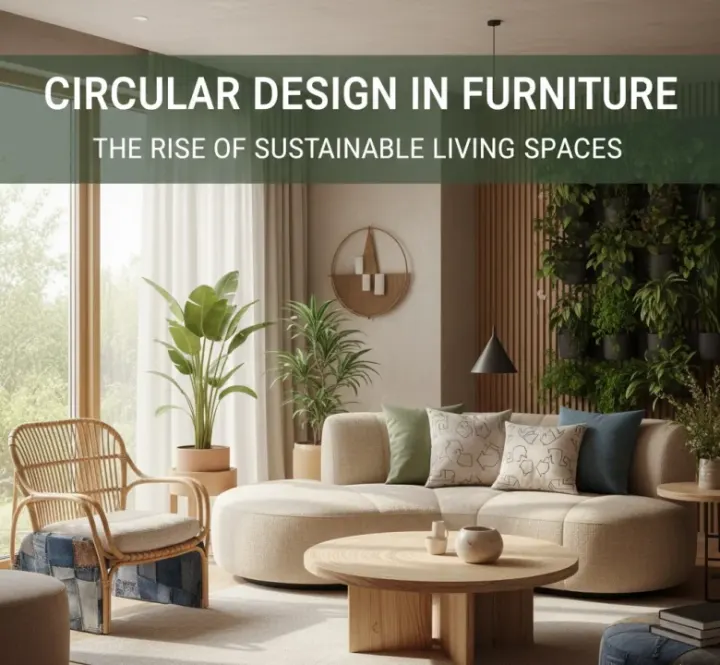
Sustainability is no longer a niche concept in interior design—it has become a structural priority. As environmental awareness grows, designers and manufacturers are rethinking how furniture is produced, used, and eventually repurposed. According to FurniPress, circular design is emerging as one of the most influential movements shaping the future of interiors.
Unlike traditional linear production models—make, use, discard—circular design focuses on longevity, adaptability, and regeneration. It aims to eliminate waste and extend product life cycles without compromising aesthetics or functionality.
1. Designing for Longevity
The first principle of circular furniture is durability. High-quality materials, reinforced joinery systems, and timeless silhouettes ensure that products remain relevant for decades. Instead of following fast-changing trends, circular design prioritizes pieces that evolve stylistically within different interiors.
Solid wood, recyclable metals, and repair-friendly upholstery systems are replacing short-lifecycle composite materials. This shift reduces landfill waste while increasing long-term value.
2. Modular and Adaptable Systems
One of the defining features of circular furniture is modularity. Sofas with replaceable sections, shelving systems with expandable units, and tables with interchangeable surfaces allow users to modify their furniture rather than replace it.
Adaptability extends usability. A modular storage system purchased for a compact apartment can expand when the owner moves to a larger home. This flexibility supports both sustainability and practical living.
3. Recyclable and Regenerative Materials
Material innovation is central to circular interiors. Designers are increasingly using:
- FSC-certified wood
- Recycled plastics transformed into durable surfaces
- Bio-based composites
- Natural textiles such as organic cotton, hemp, and wool
Beyond recyclability, regenerative materials—such as rapidly renewable bamboo or responsibly harvested cork—are gaining prominence. These materials reduce environmental impact while maintaining structural integrity and visual warmth.
4. Repairability as a Design Standard
Circular furniture encourages maintenance over replacement. Visible screws instead of permanent adhesives, removable upholstery covers, and standardized hardware components make repairs accessible.
Brands that embrace this approach often provide spare parts or refurbishment programs, extending product lifespans and strengthening consumer trust.
5. Production Transparency and Ethical Manufacturing
Sustainable furniture is not only about materials—it also concerns manufacturing processes. Transparent supply chains, reduced transportation emissions, and energy-efficient production facilities play a vital role in circular design.
Consumers increasingly demand to know where materials originate and how products are assembled. Transparency builds credibility and aligns design with ethical responsibility.
6. Aesthetic Evolution of Sustainable Design
Earlier eco-friendly furniture often prioritized function over visual appeal. Today, circular design balances environmental responsibility with refined aesthetics.
Neutral palettes, organic textures, and minimalist forms dominate sustainable collections. The goal is not to signal sustainability loudly but to integrate it seamlessly into contemporary interiors.
7. The Economic Advantage of Circular Thinking
Circular design is not just environmentally responsible—it is economically practical. Investing in durable, adaptable furniture reduces long-term replacement costs. Modular upgrades are often more affordable than full product replacement.
As highlighted by FurniPress, circular systems represent a shift from consumption-driven interiors to value-driven living spaces.
Circular design is transforming the furniture industry by redefining how products are created, used, and renewed. Through durability, modularity, recyclable materials, and ethical manufacturing, interiors are becoming more sustainable without sacrificing comfort or elegance.
By embracing circular principles, homeowners and designers contribute to a more responsible future—one where furniture is designed not only for today’s needs but for generations to come.
Comments
0 comments
No published comments yet. Be the first to join the conversation.