
Acoustic Furniture Solutions: Designing Quieter, More Focused Living and Working Spaces
Discover how acoustic furniture solutions improve comfort and productivity in modern interiors. Explore sound-absorbing designs for home offices, open-plan spaces, and contemporary living environments.
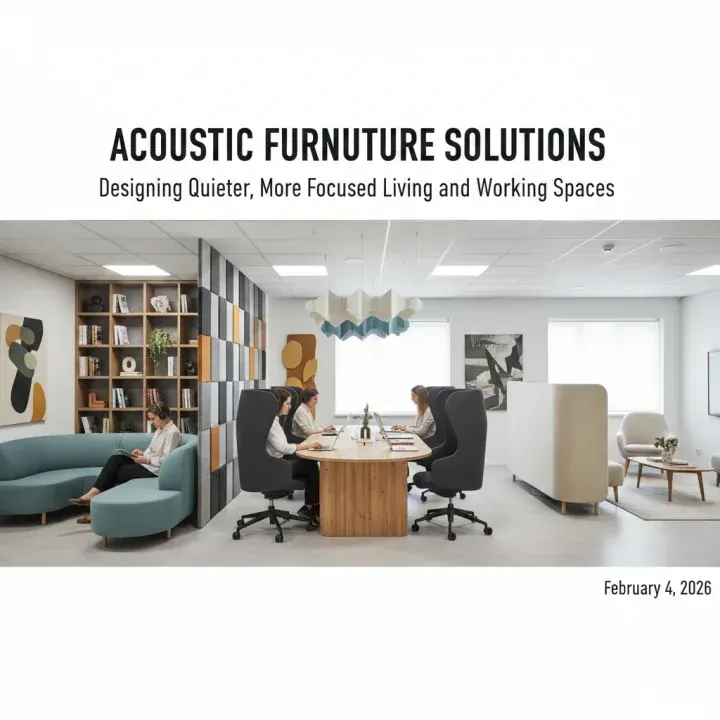
As modern interiors embrace open layouts and multifunctional spaces, noise has become one of the most overlooked design challenges. From home offices to shared living areas, acoustic comfort now plays a vital role in well-being and productivity. According to FurniPress, acoustic furniture solutions are emerging as an essential element of contemporary design—combining sound control with refined aesthetics.
1. The Growing Need for Acoustic Design
Remote work, hybrid lifestyles, and open-plan homes have increased exposure to everyday noise. Conversations, appliances, and digital devices often compete for attention, making concentration difficult. Acoustic furniture addresses this issue by integrating sound-absorbing materials directly into functional pieces, allowing interiors to remain visually open while becoming acoustically balanced.
2. Sound-Absorbing Furniture Pieces
Modern acoustic furniture extends far beyond wall panels. Designers are creating sofas with acoustic backing, high-backed lounge chairs, shelving units with felt inserts, and desks surrounded by soft partitions. These pieces help reduce echo and ambient noise while maintaining a cohesive interior aesthetic.
Meeting pods and privacy booths are also gaining popularity in both homes and offices, offering quiet zones without requiring permanent construction.
3. Materials That Make a Difference
The effectiveness of acoustic furniture lies in its materials. Recycled PET felt, fabric-wrapped foam, cork, and natural wool are commonly used for sound absorption. These materials not only enhance acoustic performance but also support sustainability goals, aligning with the growing demand for environmentally responsible interiors.
Textured surfaces and layered upholstery further improve sound control while adding warmth and visual depth to spaces.
4. Acoustic Solutions for Home Offices
Home offices are one of the primary beneficiaries of acoustic furniture. Compact screens, desktop panels, and upholstered storage units help create focused work zones within shared living spaces. For those working in bedrooms or living rooms, acoustic furniture provides privacy and noise reduction without isolating the user from the rest of the home.
These solutions allow remote workers to maintain professional productivity while preserving residential comfort.
5. Open-Plan Living and Noise Management
In open-plan interiors, acoustic furniture plays a key role in defining zones. Room dividers with sound-absorbing cores, modular seating with acoustic sides, and ceiling-hung panels subtly separate dining, working, and relaxing areas while minimizing sound travel.
This zoning approach supports modern lifestyles where multiple activities occur simultaneously in the same space.
6. Design Meets Performance
One of the most notable trends highlighted by FurniPress is the fusion of acoustic performance with contemporary design. Today’s acoustic furniture features clean lines, neutral palettes, and sculptural forms, ensuring that sound control elements enhance rather than disrupt interior aesthetics.
Manufacturers are increasingly collaborating with interior designers to produce collections that balance technical function with visual elegance.
7. The Future of Acoustic Furniture
Looking ahead, acoustic furniture is expected to become even more integrated into everyday interiors. Smart acoustic panels that adapt to noise levels, modular systems that evolve with space requirements, and sustainable sound-absorbing materials will shape the next generation of design solutions.
As homes and workplaces continue to merge, acoustic comfort will be recognized as a core component of healthy living environments.
Acoustic furniture solutions are redefining how modern interiors manage sound. By combining functional design, sustainable materials, and aesthetic refinement, these innovations create quieter, more focused spaces without sacrificing style.
FurniPress continues to spotlight these emerging trends, offering valuable insight into how acoustic furniture is shaping the future of comfortable, productive, and well-balanced living and working environments.
Comments
0 comments
No published comments yet. Be the first to join the conversation.