
The Future of Smart Homes and Furniture: Intelligent Living Redefined
Explore the future of smart homes and furniture where AI, automation, and sustainable innovation transform modern interiors into adaptive, connected living environments.
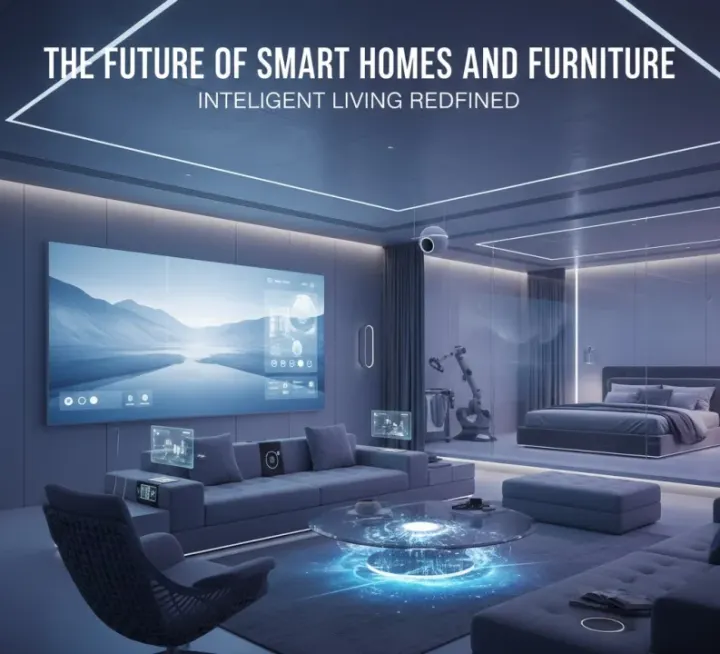
Technology is no longer an accessory to interior design—it is becoming its foundation. As digital ecosystems expand and artificial intelligence grows more intuitive, homes are evolving into responsive environments that anticipate needs and adapt in real time. According to FurniPress, the future of smart homes and furniture lies in seamless integration, sustainability, and human-centered innovation.
1. Furniture That Thinks and Adapts
The next generation of furniture goes beyond built-in charging ports or hidden speakers. Emerging concepts focus on AI-driven adaptability—sofas that adjust firmness based on posture data, desks that optimize height according to daily activity, and beds that regulate temperature in sync with sleep cycles.
These intelligent systems collect minimal but meaningful data to personalize comfort while preserving privacy. The result is furniture that evolves alongside its user rather than remaining static.
2. Invisible Technology Integration
Future smart homes will prioritize subtlety. Instead of visible wires and bulky devices, technology will be embedded discreetly into architectural elements and furnishings. Walls may function as wireless charging surfaces, kitchen islands may include touch-sensitive controls, and storage units may feature automated lighting and climate regulation.
This shift ensures that innovation enhances interiors without disrupting their aesthetic harmony.
3. Hyper-Connected Living Ecosystems
Smart furniture will no longer operate independently. Instead, it will function within interconnected ecosystems. A desk may communicate with lighting systems to adjust brightness during video calls. Seating may sync with entertainment systems to enhance immersive experiences. Climate control systems may adapt based on room occupancy detected by furniture sensors.
This level of connectivity transforms homes into dynamic, responsive environments that support productivity, comfort, and leisure simultaneously.
4. Sustainability Through Smart Innovation
The future of smart homes is closely tied to sustainability. Intelligent systems will optimize energy use by adjusting lighting, heating, and appliance activity based on real-time needs. Furniture materials may include recycled composites enhanced with smart durability sensors that indicate when maintenance is required.
By extending product lifecycles and minimizing energy waste, smart design aligns innovation with environmental responsibility.
5. Modular Intelligence and Upgradeability
One of the most promising directions in smart furniture design is modular upgradeability. Instead of replacing entire pieces when technology advances, users will be able to upgrade integrated components—such as processors, sensors, or control panels.
This approach reduces electronic waste while ensuring that smart interiors remain future-ready.
6. Wellness-Focused Automation
As awareness of mental and physical health grows, smart homes will increasingly prioritize well-being. Automated lighting systems will mimic natural daylight cycles. Acoustic panels will adapt to noise levels. Furniture may include built-in air purification or posture-correction feedback.
These features reflect a shift from convenience-based smart living to wellness-driven intelligent design.
7. Redefining the Meaning of Home
Ultimately, the future of smart homes and furniture is not about technology for its own sake. It is about creating environments that respond intuitively to human behavior. The home becomes a living interface—capable of adapting to work, rest, social interaction, and personal reflection without manual intervention.
As design and technology continue to converge, FurniPress highlights how innovation is reshaping interiors into responsive ecosystems that elevate everyday living.
The future of smart homes and furniture represents a profound transformation in how people inhabit space. Through AI integration, sustainable innovation, and modular adaptability, interiors are evolving into intelligent environments that anticipate needs and enhance quality of life.
By documenting these developments, FurniPress continues to explore the intersection of design, technology, and human experience—offering a glimpse into the next era of connected living.
Comments
0 comments
No published comments yet. Be the first to join the conversation.