
Furniture Industry Trends, Design Innovations & Global Market Insights
Discover the latest furniture industry trends, innovative designs, sustainable materials, and global market insights. Stay updated with expert analysis on modern furniture, interior design, and manufacturing developments.
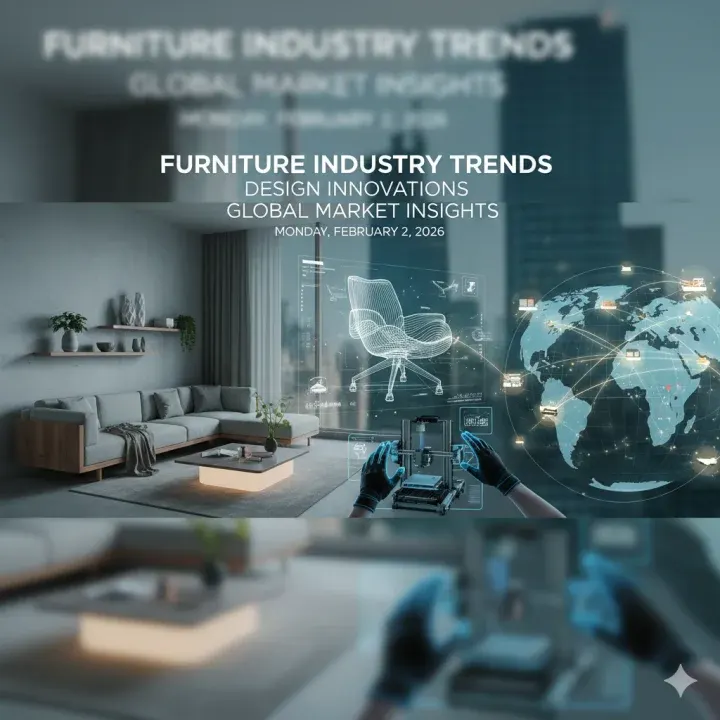
The Evolution of the Modern Furniture Industry
The furniture industry continues to evolve rapidly, driven by changing lifestyles, technological innovation, and increasing demand for sustainable and functional designs. Today’s furniture is no longer defined solely by aesthetics; it combines comfort, durability, environmental responsibility, and adaptability to modern living spaces. From residential interiors to commercial environments, furniture design plays a critical role in shaping how people live and work.
Furniture Design Trends Shaping Modern Living
Modern furniture trends emphasize simplicity, functionality, and timeless appeal. Minimalist designs, clean lines, and neutral color palettes dominate contemporary interiors, while bold textures and natural materials add warmth and character. Wood, metal, glass, and recycled materials are frequently combined to create balanced and visually striking furniture pieces.
Modular furniture has also gained significant popularity, especially in urban environments where space optimization is essential. Flexible designs allow users to adapt furniture to different needs, making them ideal for small apartments, offices, and multifunctional spaces.
Sustainable Furniture and Eco-Friendly Materials
Sustainability has become a key focus in furniture manufacturing and design. Consumers increasingly seek eco-friendly furniture made from responsibly sourced wood, recycled materials, and low-impact finishes. Sustainable production methods not only reduce environmental impact but also enhance product quality and longevity.
Furniture brands are investing in innovative materials such as bamboo, reclaimed wood, and biodegradable fabrics. These materials offer durability while aligning with global sustainability goals. As environmental awareness grows, sustainable furniture is no longer a niche trend but a core expectation in the global market.
Global Furniture Market and Industry Innovation
The global furniture market is influenced by technological advancements, shifting consumer preferences, and international trade dynamics. Automation, digital design tools, and smart manufacturing processes are transforming how furniture is produced and delivered. These innovations improve efficiency, customization, and product consistency across the industry.
Smart furniture is another growing segment, integrating technology into everyday living. From adjustable desks to intelligent storage solutions, technology-driven furniture enhances comfort and productivity in both residential and commercial settings.
Interior Design and Functional Furniture Solutions
Interior design trends increasingly focus on creating harmonious and functional spaces. Furniture plays a central role in defining room layout, usability, and visual balance. Designers prioritize ergonomic solutions that support well-being while maintaining aesthetic appeal.
In commercial spaces such as offices, hotels, and public venues, furniture design must balance durability, comfort, and brand identity. Well-designed furniture contributes to user experience and reinforces the purpose of each space.
The Future of Furniture Design
Looking ahead, the furniture industry is expected to continue blending innovation with sustainability. Customizable designs, eco-conscious materials, and smart functionality will define the next generation of furniture. As lifestyles evolve, furniture will adapt to meet the demands of flexibility, efficiency, and modern aesthetics.
Staying informed about furniture trends, design innovations, and market developments is essential for professionals, designers, and consumers alike. Understanding these dynamics helps shape smarter purchasing decisions and supports the creation of meaningful, future-ready living spaces.
Comments
0 comments
No published comments yet. Be the first to join the conversation.