
The Rise of Modular Furniture: Why Flexibility Is Shaping the Future of Interior Design
Discover why modular furniture is becoming one of the biggest trends in interior design. Explore flexible layouts, customizable furniture systems, and the future of adaptable living spaces.
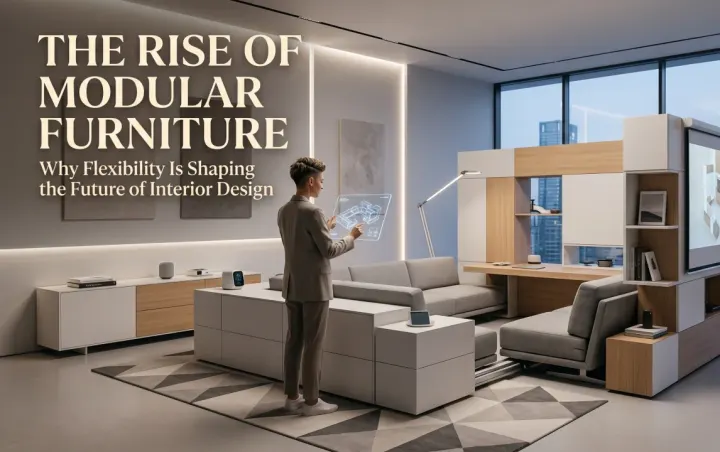
The way people interact with their homes has changed dramatically over the past decade. Living spaces are expected to serve multiple purposes, from remote work and entertainment to relaxation and social gatherings. As these expectations continue to evolve, furniture must become more adaptable than ever before.
One of the most significant responses to this shift is the growing popularity of modular furniture. According to FurniPress, modular design is redefining interior spaces by offering flexibility, personalization, and long-term value that traditional furniture often cannot provide.
1. Understanding Modular Furniture
Modular furniture consists of individual components that can be rearranged, expanded, or combined in different ways. Instead of purchasing a fixed piece of furniture, homeowners invest in a system that adapts to changing lifestyles.
Whether it's a sectional sofa, a shelving unit, or a wardrobe, modular furniture provides freedom to redesign a room without replacing the entire collection.
2. Meeting the Needs of Modern Lifestyles
Today's homes are more dynamic than ever. A room may function as a home office during the day, a family gathering space in the evening, and a guest room on weekends.
Modular furniture supports these changing needs by allowing users to reconfigure layouts quickly and efficiently. This flexibility is especially valuable for apartments and compact homes where every square meter must be used wisely.
3. Customization Without Compromise
Consumers increasingly want interiors that reflect their personalities.
Modular furniture allows homeowners to choose configurations, colors, materials, and accessories that match their preferences. Additional storage modules, extra seating sections, or new shelving components can be added over time, creating furniture that grows alongside the household.
4. Supporting Sustainable Living
Modular systems contribute to sustainability by reducing unnecessary waste.
Instead of replacing an entire sofa because one section is damaged or no longer needed, individual modules can be repaired, upgraded, or replaced. This extends product lifespans while minimizing material consumption.
Many manufacturers also use recyclable materials and environmentally responsible production methods in their modular collections.
5. Smart Storage Integration
Storage is an essential feature of modular furniture.
Modern systems often include:
- Hidden drawers
- Adjustable shelving
- Integrated media storage
- Expandable cabinets
- Modular wardrobes
These features help homeowners maintain organized spaces while maximizing functionality.
6. Aesthetic Versatility
One of the greatest strengths of modular furniture is its ability to complement different design styles.
Minimalist apartments, Scandinavian homes, industrial lofts, and contemporary family houses can all benefit from modular systems. Clean lines and adaptable configurations make these collections suitable for a wide variety of interiors.
7. Technology and the Next Generation of Modular Design
Future modular furniture is expected to integrate even more technology.
Emerging concepts include wireless charging surfaces, built-in smart lighting, sensor-based storage management, and AI-assisted configuration tools that recommend optimal layouts based on room dimensions and daily habits.
These innovations will make furniture not only flexible but also increasingly intelligent.
8. The Future of Adaptable Interiors
As urban living continues to evolve, adaptability will become one of the defining characteristics of successful interior design.
Furniture that changes with its users will replace static solutions, offering greater comfort, efficiency, and long-term value. Modular systems are well positioned to lead this transformation, providing homeowners with spaces that evolve instead of becoming obsolete.
Modular furniture is changing the way people think about interior design. By combining flexibility, customization, sustainability, and modern aesthetics, it offers practical solutions for today's dynamic lifestyles.
As homes continue to evolve, FurniPress remains at the forefront of furniture innovation, showcasing the ideas and designs that are shaping the next generation of adaptable living spaces.
Comments
0 comments
No published comments yet. Be the first to join the conversation.