
The Return of Curved Furniture: Why Soft Shapes Are Dominating Modern Interiors
Discover why curved furniture is becoming a defining trend in modern interior design. Explore the benefits of soft silhouettes, comfort-driven aesthetics, and contemporary living spaces.
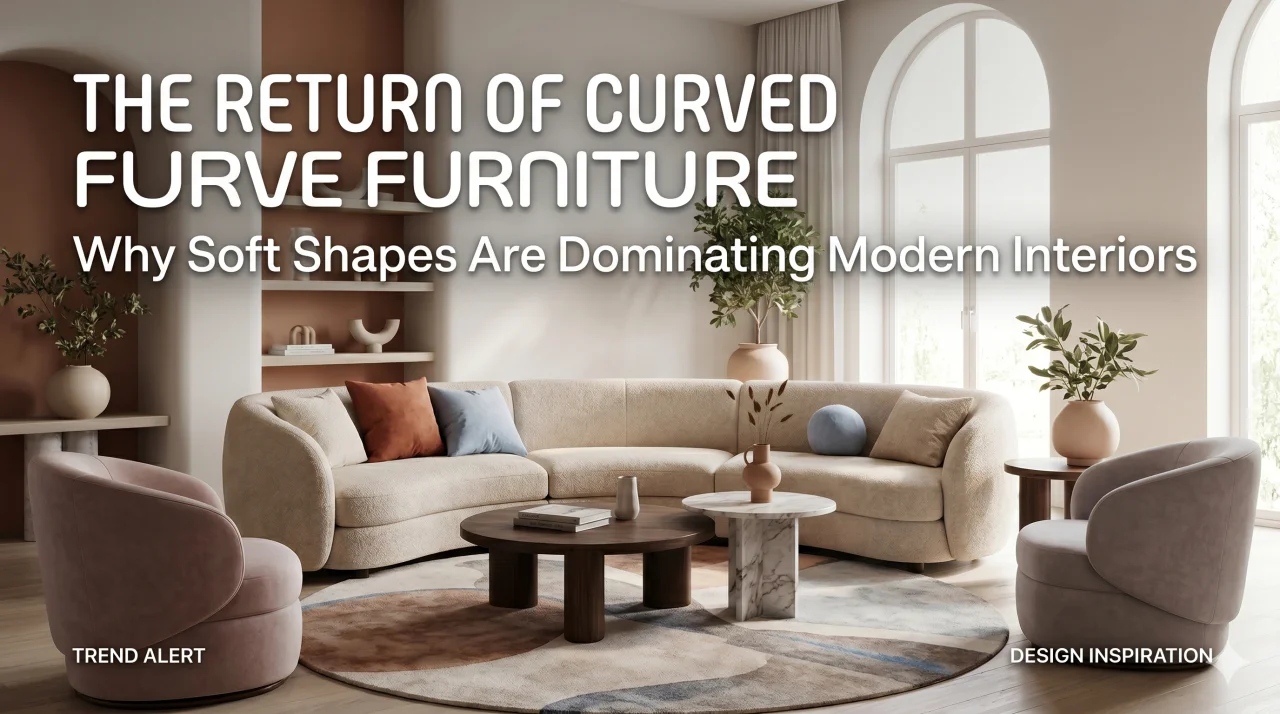
Interior design trends often evolve in response to changing lifestyles and emotional needs. In recent years, one of the most noticeable shifts has been the growing popularity of curved furniture. From rounded sofas and circular coffee tables to sculptural lounge chairs, soft silhouettes are replacing the sharp lines that dominated contemporary interiors for decades.
According to insights featured by FurniPress, curved furniture represents more than a visual trend—it reflects a broader movement toward comfort, wellness, and human-centered design.
1. A Softer Approach to Living Spaces
For many years, minimalist interiors were characterized by straight lines, angular forms, and geometric precision. While these designs remain popular, homeowners are increasingly seeking environments that feel more welcoming and relaxed.
Curved furniture introduces a sense of softness and fluidity that naturally makes spaces feel more inviting. Rounded edges create visual balance and reduce the rigid appearance often associated with modern interiors.
2. Comfort Becomes a Design Priority
Comfort is becoming one of the most important factors influencing furniture purchases.
Curved sofas often feature deeper seating arrangements and ergonomic forms that encourage relaxation. Rounded armchairs create cozy personal spaces, while curved sectionals promote conversation and social interaction.
This focus on comfort reflects a growing desire to transform homes into places of restoration and well-being.
3. Organic Forms Inspired by Nature
Many curved furniture designs draw inspiration from natural landscapes, flowing water, and organic shapes found in nature.
This connection aligns with the broader trend toward biophilic design, which seeks to strengthen the relationship between people and natural environments. Furniture with organic silhouettes helps soften interiors and create a more harmonious atmosphere.
4. Creating Visual Flow
Curved furniture naturally guides the eye through a room. Unlike sharp corners that create visual interruptions, rounded forms encourage smoother transitions between different areas.
Designers often use curved pieces to improve circulation in open-plan spaces and establish a sense of movement throughout the interior.
5. Luxury Through Sculptural Design
Curved furniture has become particularly popular in luxury interiors because of its sculptural qualities.
Many contemporary designers treat sofas, chairs, and tables as artistic focal points rather than purely functional objects. A curved sofa or asymmetrical lounge chair can instantly transform a room into a sophisticated design statement.
6. Versatility Across Design Styles
One reason for the success of curved furniture is its adaptability.
Rounded pieces can complement a wide range of aesthetics, including:
- Minimalist interiors
- Scandinavian design
- Contemporary luxury spaces
- Mid-century modern environments
- Organic modern homes
This versatility allows homeowners to incorporate the trend without completely redesigning their interiors.
7. The Future of Curved Furniture
As furniture design continues to prioritize wellness and emotional comfort, curved forms are expected to remain influential.
Future collections are likely to combine organic shapes with sustainable materials, modular configurations, and smart functionality. Designers are increasingly exploring how soft forms can improve both aesthetics and user experience.
The resurgence of curved furniture highlights a broader shift in interior design toward comfort, warmth, and human-centered living. Through soft silhouettes, organic inspiration, and sculptural elegance, curved furniture offers a refreshing alternative to rigid contemporary forms.
As this trend continues to evolve, FurniPress remains a valuable source of inspiration for homeowners and designers seeking innovative ways to create inviting and sophisticated interiors.
Comments