
The Growing Influence of Natural Materials in Contemporary Furniture Design
Discover why natural materials are becoming essential in contemporary furniture design. Explore wood, stone, rattan, and sustainable materials shaping modern interiors.
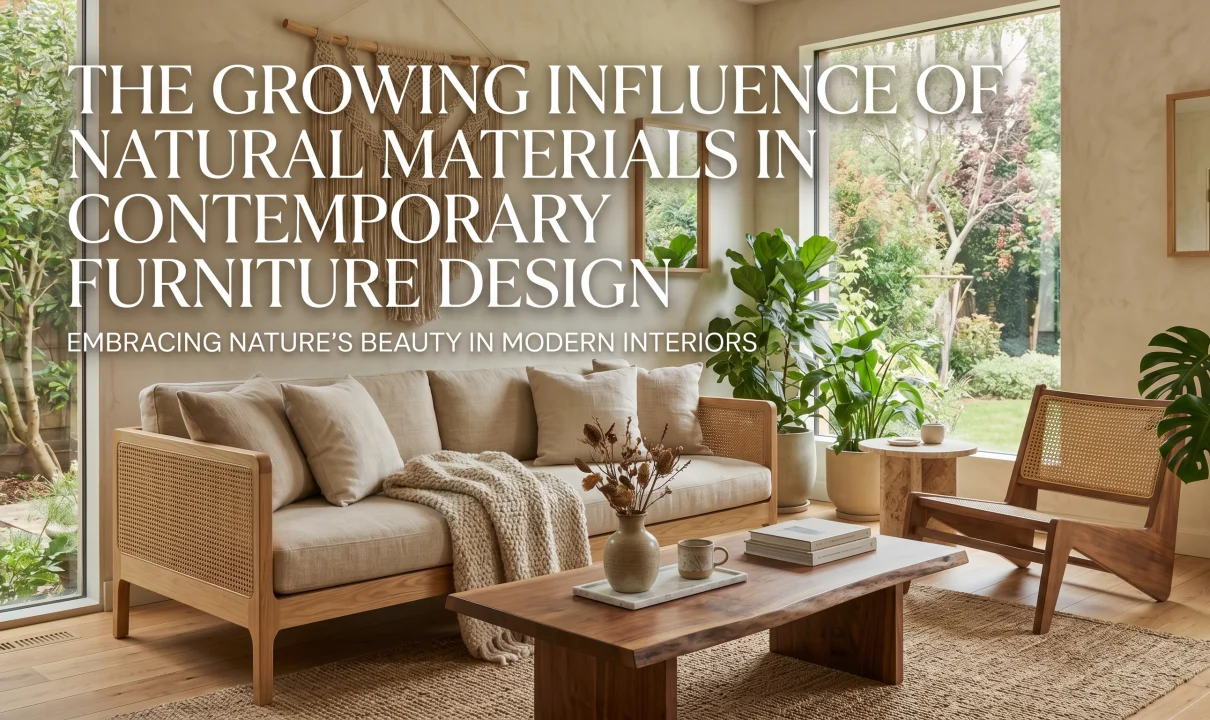
In an increasingly digital world, homeowners and designers are seeking stronger connections with nature. This shift is influencing every aspect of interior design, particularly furniture. Natural materials such as wood, stone, rattan, bamboo, and linen are becoming central elements in contemporary collections, offering authenticity, warmth, and sustainability.
As highlighted by FurniPress, the growing popularity of natural materials reflects a broader desire for interiors that feel calming, timeless, and environmentally responsible.
1. The Return of Authenticity
Consumers are increasingly drawn to furniture that showcases the natural beauty of its materials. Visible wood grain, organic textures, and subtle imperfections add character and uniqueness to each piece.
Unlike synthetic surfaces that often appear uniform, natural materials create a sense of individuality that resonates with modern homeowners seeking more personal living environments.
2. Wood Remains a Timeless Favorite
Wood continues to dominate furniture design due to its versatility and durability. Oak, walnut, ash, and teak remain popular choices for dining tables, storage units, and seating collections.
Modern designers often combine traditional woodworking techniques with contemporary forms, creating furniture that bridges heritage craftsmanship and modern aesthetics.
3. The Rise of Rattan and Woven Materials
Rattan and woven materials have experienced a major resurgence in recent years.
Their lightweight appearance, natural texture, and ability to complement various interior styles make them attractive options for contemporary homes. From accent chairs to cabinet doors, woven details introduce warmth and visual interest without overwhelming a space.
4. Stone as a Luxury Element
Natural stone is increasingly being used in furniture design, particularly for tabletops and statement pieces.
Marble, travertine, and limestone offer unique patterns and textures that elevate interiors. Designers are pairing stone surfaces with wood or metal bases to create balanced compositions that feel both luxurious and grounded.
5. Sustainability Drives Material Choices
Environmental awareness is encouraging both manufacturers and consumers to prioritize responsibly sourced materials.
FSC-certified wood, rapidly renewable bamboo, recycled natural fibers, and low-impact finishes are becoming standard features in many furniture collections. Sustainable sourcing not only reduces environmental impact but also strengthens consumer confidence in a brand.
6. Natural Materials and Well-Being
Research suggests that natural elements can positively influence mood and comfort.
Furniture made from organic materials often contributes to a more relaxing atmosphere by introducing visual warmth and tactile richness. This aligns with the growing emphasis on wellness-focused interior design.
As homes become spaces for work, relaxation, and social interaction, creating emotionally supportive environments has become increasingly important.
7. Combining Nature with Modern Innovation
While natural materials celebrate tradition, they are also being integrated into innovative furniture concepts.
Designers are experimenting with engineered wood, bio-based composites, and advanced manufacturing techniques that enhance durability while preserving natural aesthetics. This fusion of innovation and authenticity is shaping the next generation of furniture design.
Natural materials continue to redefine contemporary furniture design by offering a balance of beauty, sustainability, and timeless appeal. From solid wood craftsmanship to woven textures and elegant stone surfaces, these materials help create interiors that feel connected to nature and designed for long-term living.
As consumers increasingly prioritize authenticity and environmental responsibility, FurniPress continues to spotlight the trends and innovations driving the future of natural furniture design.
Comments