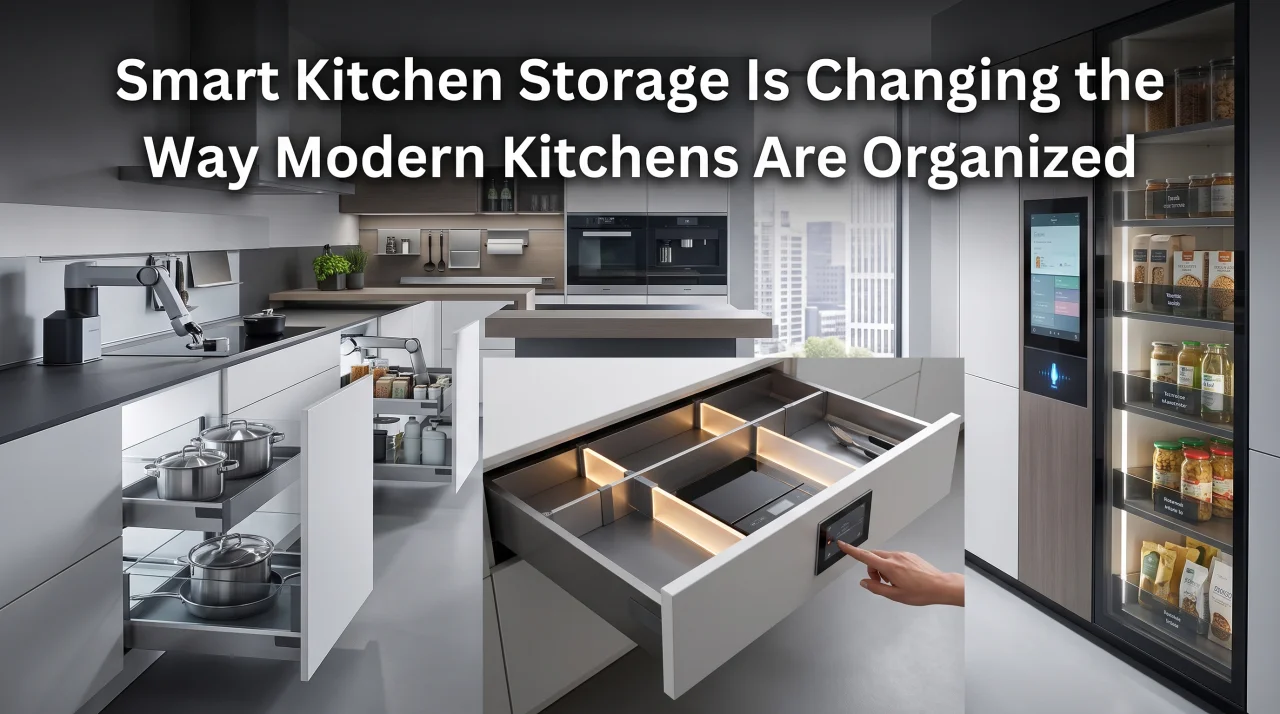
Kitchen design is increasingly focused on making every part of the available space useful. As homes become more compact and kitchens are expected to support a wider range of activities, traditional storage solutions are being reconsidered.
Modern kitchen furniture manufacturers are developing smarter systems that combine accessibility, organization, flexibility, and visual simplicity. From hidden compartments to pull-out systems and vertical storage, these solutions are changing how kitchens function on a daily basis.
Making Better Use of Limited Space
One of the biggest challenges in contemporary kitchen design is maximizing storage without making the room feel crowded.
Tall cabinets can make use of vertical space, while deep drawers can provide easier access to cookware and appliances. Corner storage systems can also turn previously difficult-to-use areas into functional spaces.
These solutions allow designers to increase storage capacity without significantly increasing the kitchen's footprint.
Hidden Storage Creates Cleaner Interiors
Minimalist kitchens often depend on visual simplicity.
Integrated and concealed storage allows appliances, cookware, and everyday objects to be kept out of sight when they are not being used. Handleless cabinets and continuous surfaces can further contribute to a cleaner visual appearance.
This approach creates a balance between functionality and contemporary aesthetics.
Pull-Out Systems Improve Accessibility
Pull-out shelves and drawers are becoming increasingly common in modern kitchen furniture.
Instead of requiring users to reach deep into cabinets, these mechanisms bring stored items forward. This can make frequently used products easier to access and help improve organization.
Manufacturers are also developing specialized storage systems for spices, waste sorting, cleaning products, and kitchen accessories.
Modular Systems Offer Greater Flexibility
Modular kitchen furniture allows homeowners and designers to create layouts according to specific spatial requirements.
Cabinets, shelves, drawers, and other components can be combined in different configurations. This flexibility makes modular systems particularly useful for kitchens with unusual dimensions.
It can also make future modifications easier if the user's requirements change.
Technology Enters Kitchen Furniture
Technology is becoming increasingly integrated into kitchen storage.
Motorized drawers, sensor-controlled lighting, charging areas, and smart appliance integration are examples of features being incorporated into contemporary kitchen furniture.
The challenge is to ensure that technology improves functionality without creating unnecessary complexity.
Sustainability and Efficient Storage
Smart storage can also support more sustainable kitchen design.
Better organization can help users understand what they already have and reduce unnecessary purchases. Durable storage systems can also extend the lifespan of kitchen furniture.
Manufacturers are increasingly combining these functional principles with responsibly sourced materials and more efficient production methods.
Looking Ahead
Kitchen storage will likely become increasingly personalized as manufacturers develop solutions for different lifestyles and spatial conditions.
The future kitchen may combine modular furniture, digital technology, adaptable storage, and sustainable materials to create spaces that are both highly functional and visually streamlined.
Smart storage is becoming an essential part of modern kitchen furniture design. By using vertical space, hidden compartments, modular systems, and accessible mechanisms, contemporary kitchens can become more organized without sacrificing aesthetics.
As kitchen spaces continue to evolve, intelligent storage will remain an important area of innovation for furniture manufacturers and interior designers.