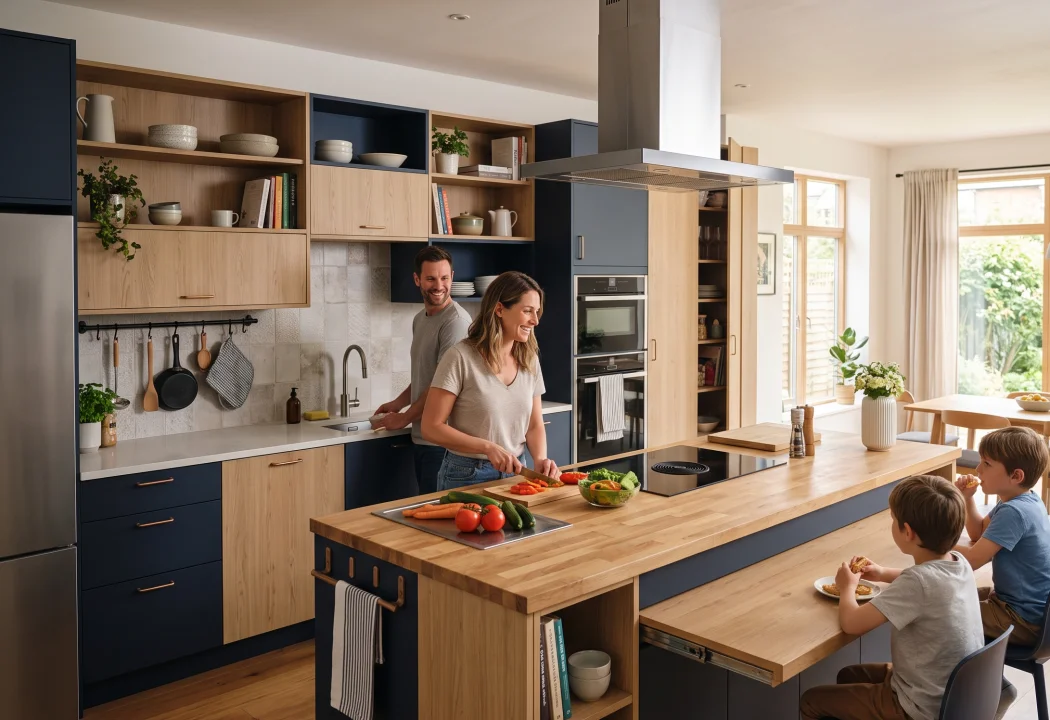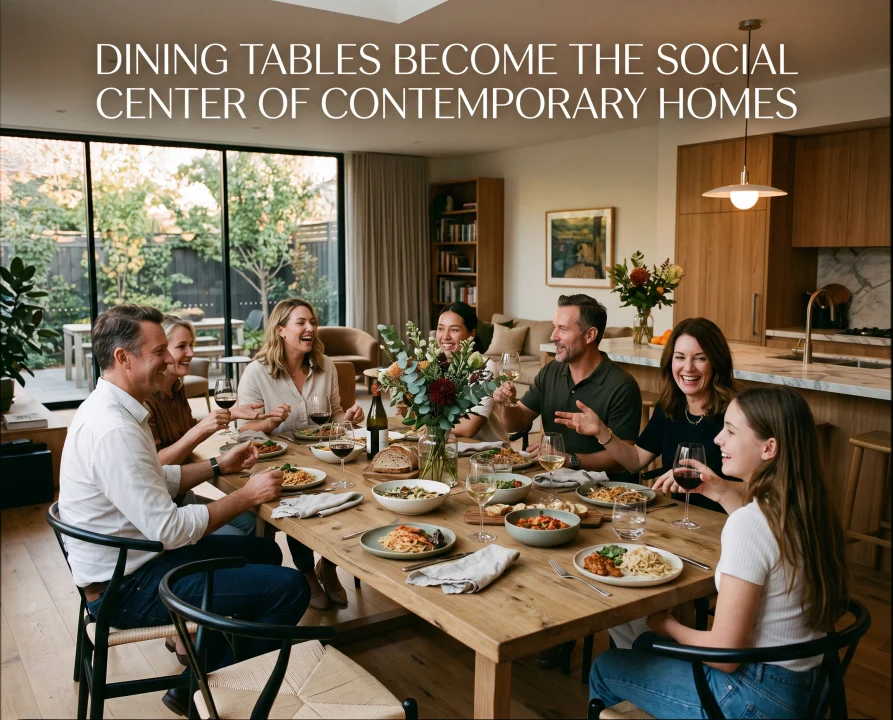

The dining area is changing as modern homes become increasingly multifunctional. Dining tables are no longer used exclusively for meals. They can serve as workstations, study areas, creative spaces, and gathering points for family and friends.
This change is influencing the design of dining furniture, encouraging manufacturers to develop products that offer greater flexibility without sacrificing comfort or visual appeal.
The Dining Table Becomes a Multifunctional Element
The dining table remains the central piece of the dining area, but its function is expanding.
Extendable tables allow homeowners to adapt seating capacity depending on the occasion. Compact tables can support everyday use while expanding when guests arrive.
For smaller homes, multifunctional tables provide an efficient way to use limited floor space.
Comfort Influences Dining Chair Design
Dining chairs are also receiving greater attention from designers.
Ergonomic shapes, upholstered seats, supportive backrests, and durable fabrics are becoming increasingly common. The goal is to make dining areas comfortable enough for long meals, conversations, studying, or working.
Designers are also experimenting with combinations of materials, including wood, metal, textiles, and recycled materials.
Open-Plan Interiors Change Dining Spaces
Open-plan architecture has changed the relationship between dining rooms, kitchens, and living areas.
Instead of functioning as isolated rooms, dining areas often form part of a larger shared environment. Furniture therefore needs to complement surrounding spaces in terms of color, material, and proportion.
Dining tables and chairs can also be used to visually define different zones within an open-plan interior.
Materials Balance Durability and Aesthetics
Dining furniture must withstand frequent everyday use, making material selection particularly important.
Wood remains popular for its warmth and durability, while glass and stone offer contemporary alternatives. Ceramic and sintered surfaces are also becoming increasingly attractive because of their resistance to heat, stains, and everyday wear.
Upholstery manufacturers are similarly developing fabrics designed to combine comfort with easier maintenance.
Sustainability Enters the Dining Category
Consumers are becoming more interested in where and how their furniture is produced.
Responsibly sourced timber, recycled metals, recyclable materials, and durable finishes are increasingly influencing purchasing decisions.
Long-lasting dining furniture can also reduce the frequency of replacement, supporting more sustainable consumption patterns.
Flexible Seating for Modern Lifestyles
Dining spaces are becoming more adaptable through flexible seating solutions.
Benches can accommodate multiple users while fitting neatly beneath tables when not in use. Stackable chairs provide practical solutions for smaller homes, while modular seating can allow larger spaces to be reconfigured for different occasions.
These options give homeowners greater control over how their dining areas function.
The Future of Dining Furniture
Dining furniture is likely to continue becoming more flexible as homes support an increasing variety of activities.
Extendable tables, multifunctional seating, sustainable materials, and adaptable configurations will remain important areas of development.
The dining space is evolving from a dedicated meal area into a multifunctional social environment, and furniture design is following the same direction.
Modern dining furniture reflects the changing role of the dining area within the home. Flexibility, comfort, durability, and sustainability are becoming just as important as appearance.
As interior spaces continue to become more multifunctional, dining furniture will increasingly be designed to support everything from everyday meals to work, study, and social gatherings.