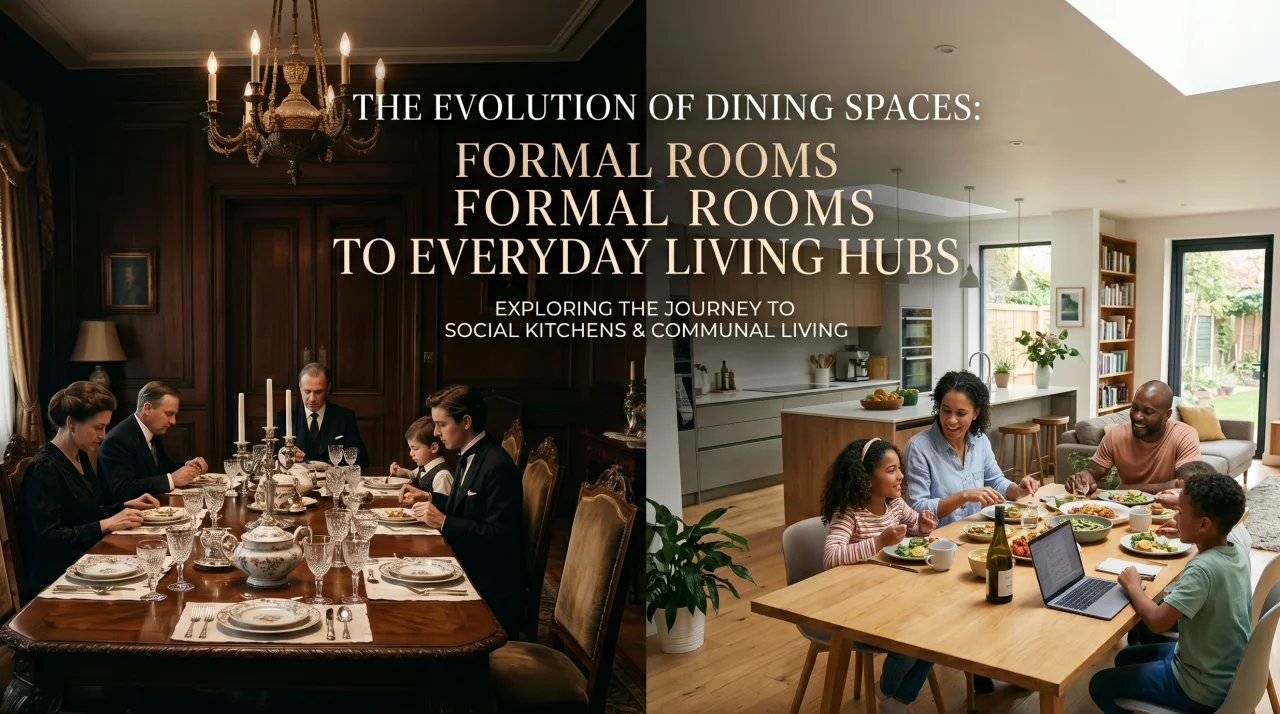
The kitchen is undergoing a major transformation as changing lifestyles continue to influence the way people use their homes. Once considered primarily a space for food preparation, the modern kitchen increasingly functions as a dining area, social space, workspace, and everyday gathering point.
This shift is having a direct impact on kitchen furniture. Designers and manufacturers are developing cabinetry, islands, storage systems, and seating solutions that combine aesthetics with greater flexibility and functionality.
Kitchen Islands Become More Versatile
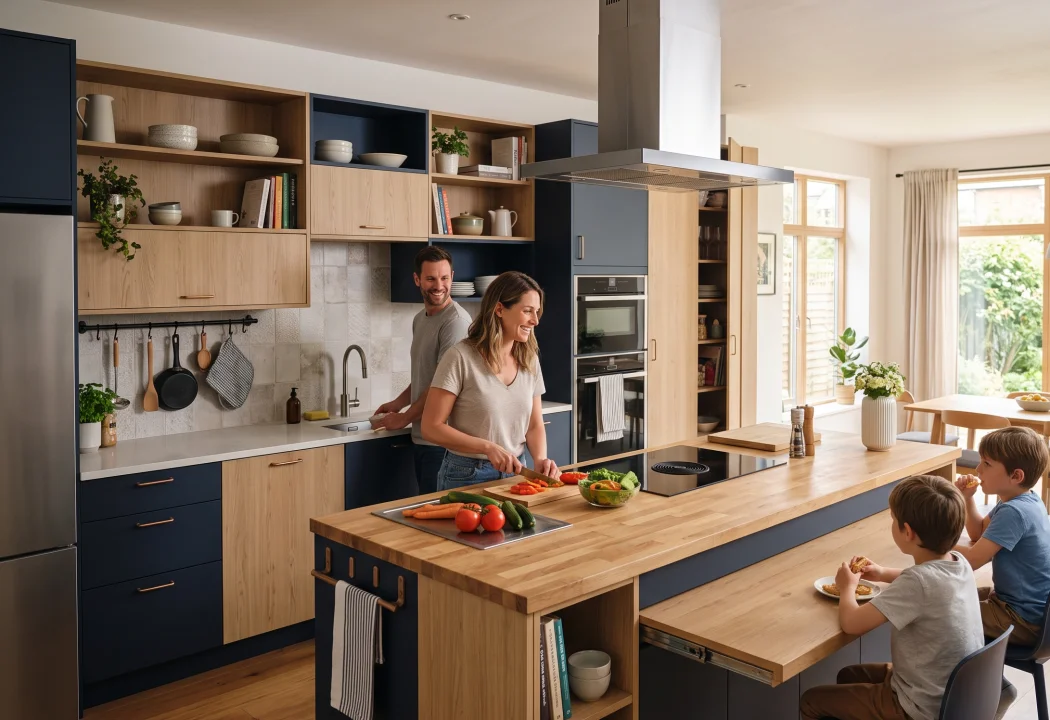
Kitchen islands remain one of the most important elements in contemporary kitchen design, but their role is expanding.
Instead of serving only as additional preparation surfaces, modern islands can incorporate storage drawers, seating, sinks, cooktops, electrical outlets, and integrated appliances. This allows a single furniture element to support multiple activities while maximizing available floor space.
For open-plan homes, kitchen islands can also help visually define the transition between the kitchen and living areas without creating a physical barrier.
Storage Takes Center Stage
Efficient storage has become a major priority in kitchen furniture design.
Manufacturers are developing increasingly sophisticated solutions for organizing cookware, appliances, food products, and everyday accessories. Deep drawers, pull-out systems, corner storage, vertical compartments, and internal organizers allow homeowners to make better use of cabinet interiors.
The emphasis is shifting from simply adding more cabinets to making every cabinet more functional.
Minimalist Cabinetry Continues to Grow
Handleless kitchen cabinets are becoming increasingly common in contemporary interiors.
Push-to-open mechanisms, integrated handles, and recessed profiles create cleaner visual surfaces while supporting minimalist aesthetics. This approach is particularly effective in open-plan interiors where the kitchen needs to blend naturally with surrounding living spaces.
Neutral finishes and uninterrupted cabinet fronts also help smaller kitchens appear visually less crowded.
Modular Kitchen Furniture Offers Greater Flexibility
Modularity is becoming increasingly important as homeowners look for kitchens that can adapt to changing needs.
Modular cabinetry allows users to modify layouts, add storage components, or replace individual units without redesigning the entire kitchen. This approach can be especially valuable in rental properties, compact apartments, and homes where flexibility is a long-term priority.
Manufacturers are responding by offering more configurable systems with standardized components and customizable finishes.
Technology Becomes Part of the Furniture
Smart technology is increasingly being integrated directly into kitchen furniture.
Examples include:
- Cabinets with integrated interior lighting
- Drawers with charging points
- Sensor-activated lighting
- Smart appliance storage
- Motorized opening systems
- Built-in cable management
These technologies reduce visual clutter while making everyday kitchen tasks more convenient.
The integration of technology also allows designers to maintain a minimalist appearance without sacrificing functionality.
Sustainable Materials Gain Attention
Environmental concerns are influencing the development of kitchen furniture as well.
Manufacturers are exploring recycled materials, responsibly sourced wood, low-emission finishes, and longer-lasting hardware. Durability is becoming particularly important because kitchen furniture is expected to withstand frequent daily use for many years.
Designing cabinets that can be repaired, refinished, or partially replaced can also help extend their lifecycle.
Compact Kitchens Drive New Solutions
Urban housing continues to create demand for furniture designed around limited floor areas.
Compact kitchens are increasingly using vertical storage, multifunctional islands, foldable surfaces, and integrated appliances to maximize functionality. Designers are also exploring furniture systems that can visually disappear when not in use.
These solutions demonstrate that smaller kitchens do not necessarily need to sacrifice functionality or design quality.
Natural Materials Meet Contemporary Design
While technology is transforming kitchen furniture, natural materials remain highly influential.
Wood finishes, stone surfaces, textured laminates, and natural-inspired colors are being combined with modern cabinetry to create interiors that feel warm without appearing traditional.
The contrast between natural textures and minimalist forms is becoming particularly popular in contemporary kitchens.
The Future of Kitchen Furniture
The next generation of kitchen furniture is expected to become increasingly adaptable and intelligent. Modular systems, automated storage, smart lighting, sustainable materials, and integrated appliances will continue to influence product development.
Rather than treating cabinetry as a static architectural element, designers are increasingly approaching kitchen furniture as an adaptable system that can respond to the changing needs of its users.
Kitchen furniture is evolving beyond traditional cabinetry to become a central component of modern living. Flexible islands, intelligent storage, modular systems, integrated technology, and sustainable materials are redefining how kitchens function and how they fit into contemporary interiors.
As homeowners increasingly expect their kitchens to support multiple aspects of everyday life, furniture manufacturers are responding with solutions that combine efficiency, adaptability, and refined design.
FurniPress continues to follow these developments across the global furniture and interior design industries, highlighting the innovations that are shaping the kitchens of the future.