
Biophilic Furniture Design: Bringing Nature Back Into Modern Interiors
Explore how biophilic furniture design connects interiors with nature through natural materials, organic forms, and wellness-focused living spaces.
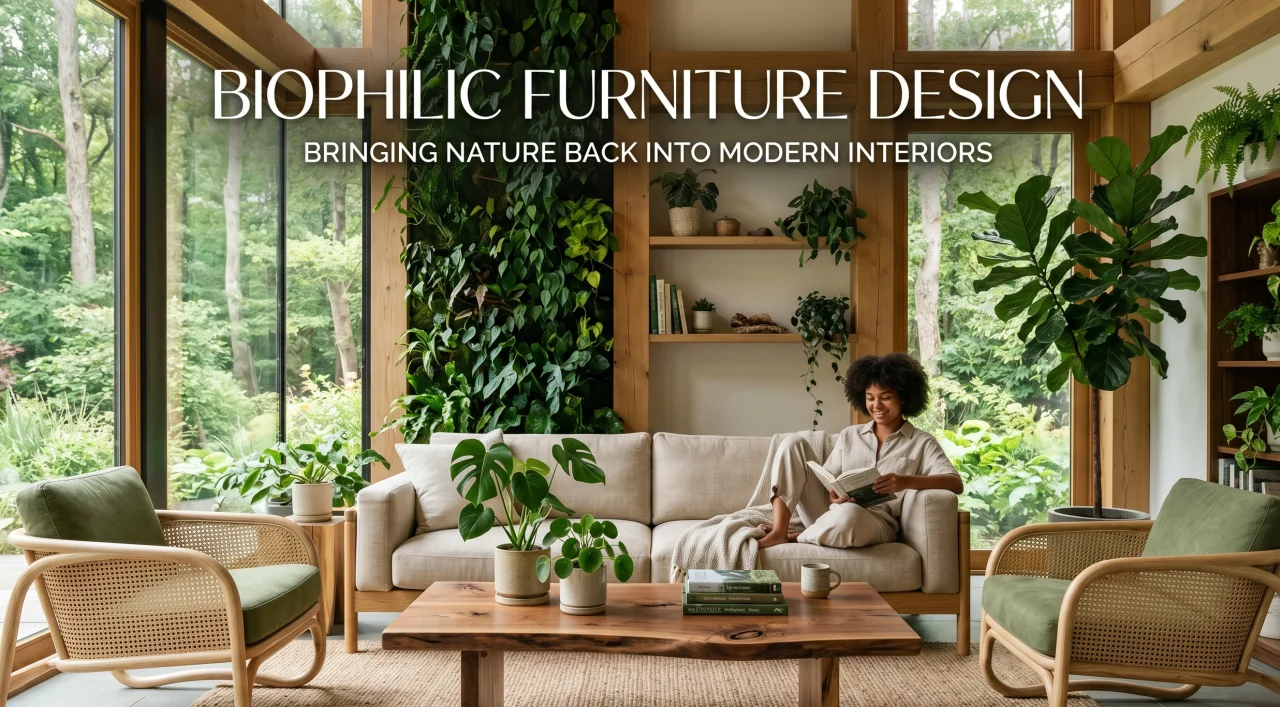
As modern lifestyles become increasingly urban and digital, the need to reconnect with nature inside living spaces has grown significantly. This shift has given rise to biophilic design, a movement that integrates natural elements into architecture and furniture to improve well-being and create more balanced environments.
According to FurniPress, biophilic furniture design is no longer a niche concept but a mainstream approach shaping contemporary interiors across residential and commercial spaces.
1. The Core Idea of Biophilic Design
Biophilic design is based on the idea that humans have an inherent need to connect with nature. In interior design, this translates into the use of natural materials, organic shapes, and nature-inspired patterns.
Furniture plays a central role in this approach by acting as a direct link between indoor environments and the natural world.
2. Natural Materials at the Center
Wood, stone, bamboo, rattan, and linen are widely used in biophilic furniture design. These materials bring warmth, texture, and authenticity into interiors.
Unlike synthetic surfaces, natural materials age over time, developing character and uniqueness that enhance the emotional connection between users and their surroundings.
3. Organic Shapes and Soft Forms
Furniture inspired by nature often features curved lines and flowing forms that mimic natural landscapes.
Rounded sofas, pebble-shaped coffee tables, and asymmetrical shelving units help soften interior spaces and create a more relaxed atmosphere. These shapes reduce visual stress and contribute to a sense of calm.
4. Integration of Greenery in Furniture
One of the most distinctive aspects of biophilic furniture design is the integration of plants directly into furniture pieces.
Examples include:
- Coffee tables with built-in planters
- Bookshelves designed for vertical gardens
- Room dividers incorporating greenery
- Seating units surrounded by natural vegetation
This combination enhances air quality while visually strengthening the connection to nature.
5. Light, Air, and Spatial Flow
Biophilic furniture design also emphasizes natural light and open space. Furniture is arranged to maximize daylight exposure and maintain airflow throughout interiors.
Transparent materials, open shelving, and lightweight structures help create environments that feel spacious and breathable.
6. Wellness and Psychological Benefits
Research suggests that exposure to natural elements indoors can reduce stress, improve focus, and enhance overall well-being.
Biophilic furniture contributes to these effects by creating calming environments that support both mental and physical health. This is particularly important in homes used for work, rest, and daily living simultaneously.
7. Sustainability and Environmental Awareness
Biophilic design naturally aligns with sustainability principles. Furniture made from responsibly sourced materials and environmentally friendly production methods supports both ecological responsibility and design integrity.
Consumers are increasingly choosing long-lasting, eco-conscious furniture that reflects these values.
8. The Future of Nature-Inspired Interiors
As awareness of environmental and wellness issues grows, biophilic furniture design is expected to become even more influential.
Future developments may include smart furniture that adjusts to environmental conditions, self-sustaining indoor ecosystems, and advanced materials that replicate natural processes.
Biophilic furniture design represents a shift toward more human-centered and nature-connected interiors. By integrating natural materials, organic forms, and greenery into furniture, designers are creating spaces that support both emotional well-being and sustainable living.
As this movement continues to grow, FurniPress remains a key source for exploring how nature-inspired design is shaping the future of modern interiors.
Comments