
Bonaldo: From Italian Metalworking Heritage to a Global Vision of Contemporary Luxury
How an Italian furniture manufacturer transformed its expertise in metal into a distinctive design identity, expanded into complete living environments, and established a position in the international premium furniture market.
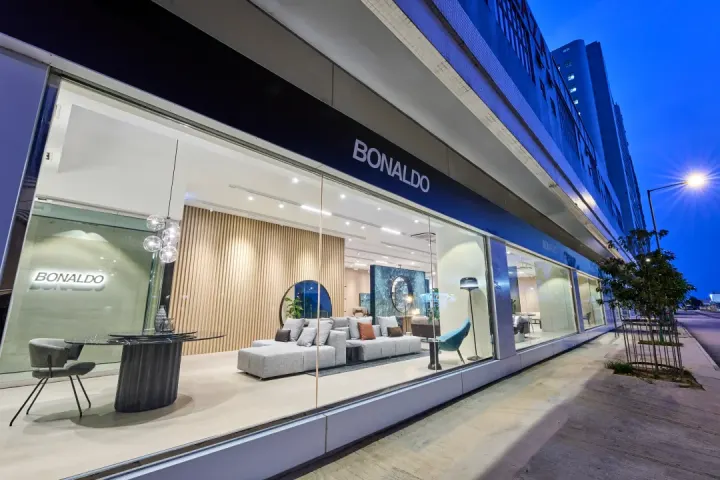
By Cengiz Eselioğlu | Furnipress
For the past 17 years, I have worked closely with furniture manufacturers, providing digital services while observing how brands develop, compete, and position themselves in international markets.
One of the most interesting changes I have witnessed during this period is the transformation of furniture from a largely functional product into an important expression of architecture, lifestyle, and personal identity.
Today, successful furniture brands are not defined exclusively by manufacturing quality or product variety. Their ability to establish a recognizable design philosophy, communicate it consistently, and adapt to different international markets has become equally important.
Among Italian furniture manufacturers, Bonaldo provides a particularly interesting example of this evolution.
With a history dating back to 1936, Bonaldo has developed from a metalworking tradition into an internationally recognized contemporary furniture brand. Its portfolio now includes dining tables, chairs, sofas, beds, storage furniture, lighting, and complementary interior products.
What interests me most about Bonaldo is the relationship between its industrial heritage and contemporary design philosophy.
The company has managed to transform technical knowledge, particularly in metal construction, into products that offer architectural expression while remaining commercially relevant.
But beyond the products themselves, Bonaldo also provides an interesting case study in how an established manufacturer can expand from individual furniture pieces toward an integrated interior design concept.
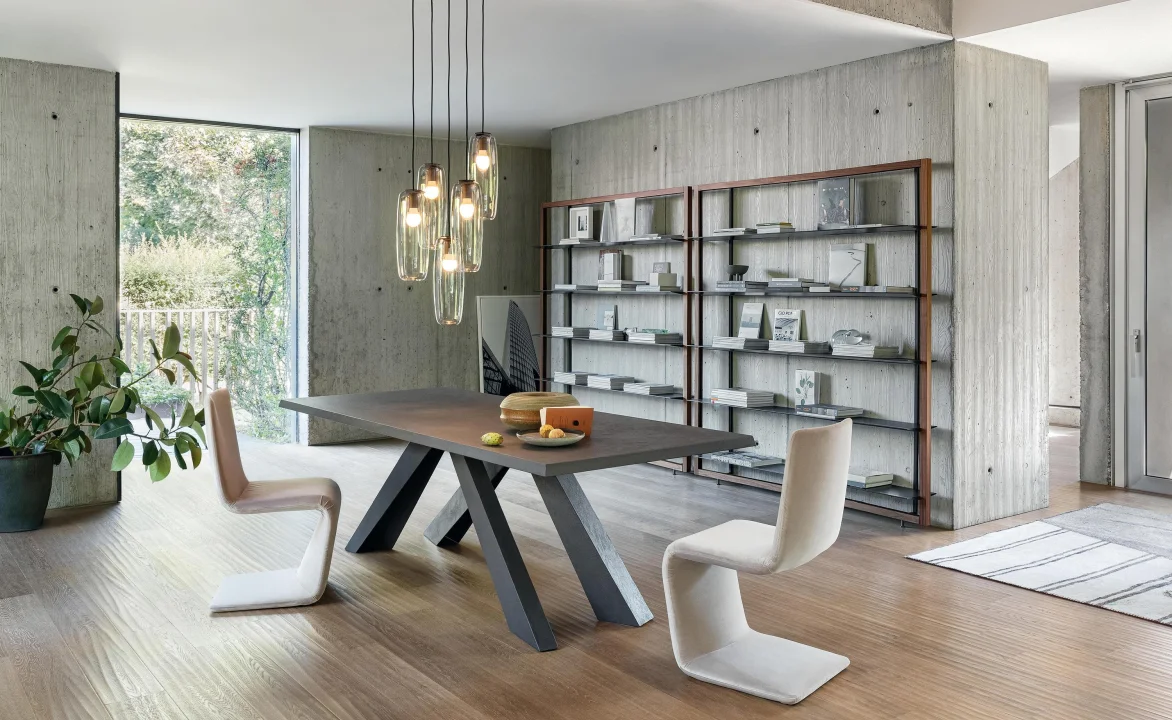
The Origins of Bonaldo: Metal as the Foundation of a Design Identity
The history of Bonaldo begins in 1936 with Giovanni Vittorio Bonaldo, whose work as a blacksmith established the technical foundations of the business.
During its early industrial development, the company specialized in iron beds, bed frames, and related products.
This background is significant because metalworking was not simply an early manufacturing activity. It became part of the company's long-term design identity.
In 1971, Bonaldo participated in Salone del Mobile in Milan, marking an important stage in its transition from artisanal manufacturing toward industrial production.
The company formally took shape as Bonaldo S.p.A. in 1981 and subsequently developed its position in contemporary furniture.
Looking at this history from an industry perspective, I believe one of Bonaldo's most important achievements is its ability to convert manufacturing expertise into a recognizable design advantage.
Many furniture companies possess advanced technical capabilities. Far fewer succeed in translating those capabilities into products that customers recognize for their aesthetic identity.
Bonaldo's development demonstrates that technical specialization can become the foundation of an international design brand when combined with creative direction and a long-term commercial strategy.
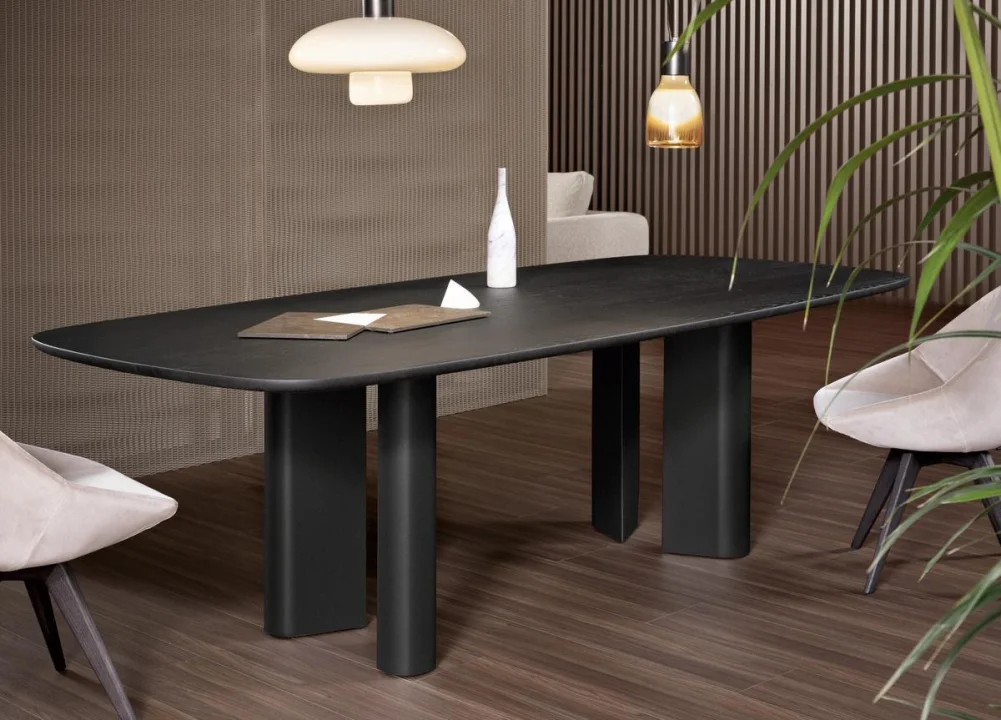
Big Table: The Product That Expresses Bonaldo's Design Philosophy
If I were to select one product that best represents Bonaldo's identity, it would be the Big Table.
Designed by Alain Gilles and introduced in 2009, Big Table has become one of the company's most recognizable designs.
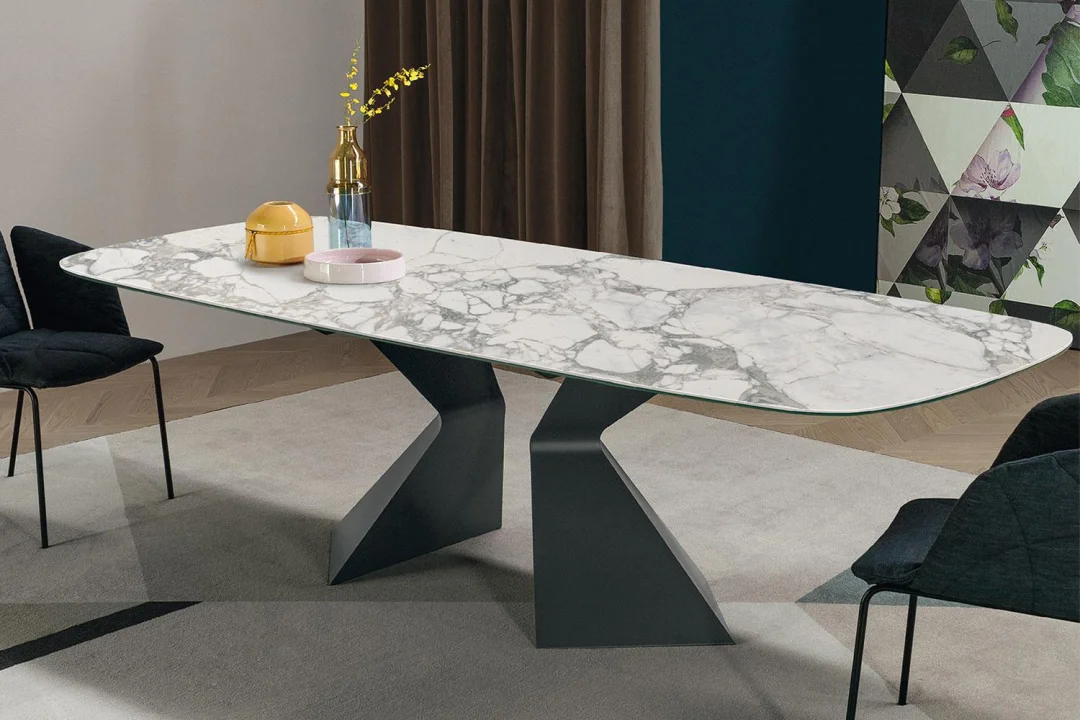
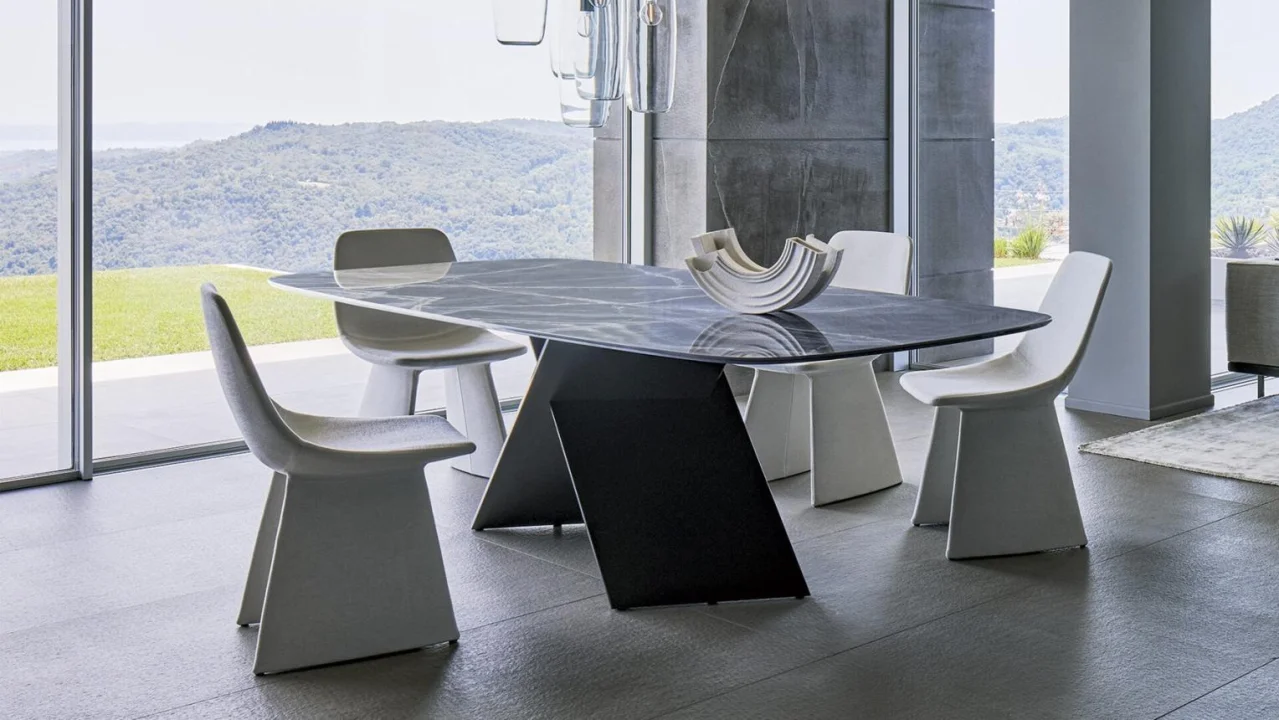
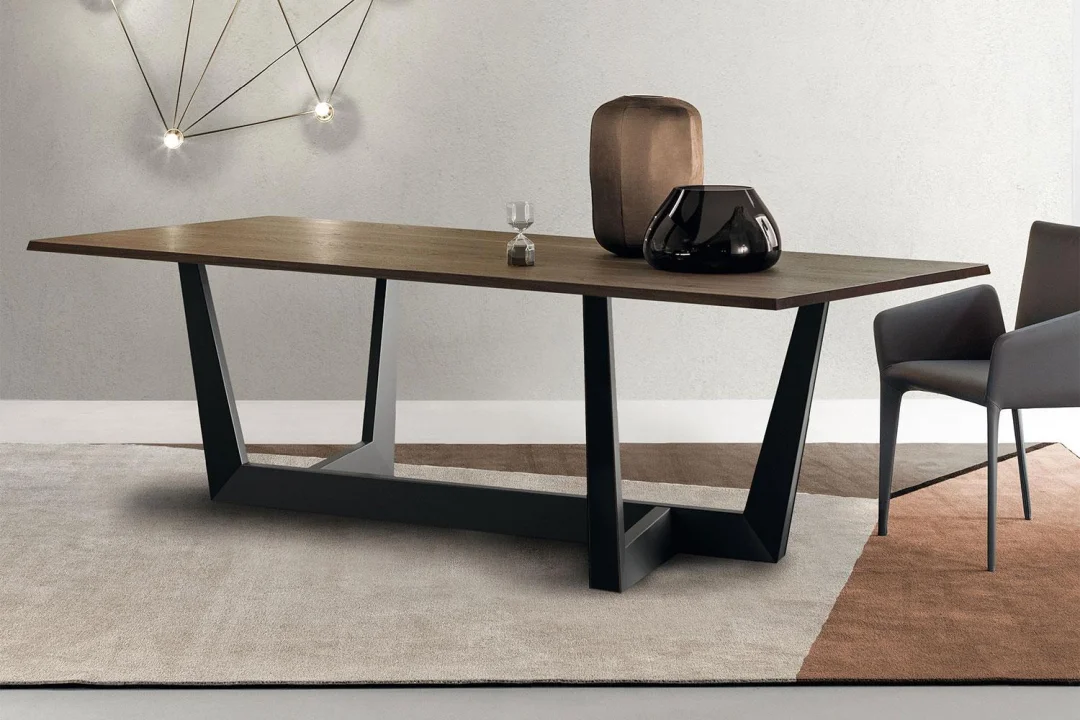
Its defining feature is an unconventional metal base composed of intersecting geometric elements. Instead of using traditional table legs, the design creates a dynamic architectural composition beneath a relatively restrained tabletop.
The result is visually distinctive without relying on excessive decoration.
From an interior architectural perspective, this approach is particularly effective because the structure creates movement within an otherwise static object.
The table appears different depending on the viewer's position. Its intersecting elements produce changing relationships between solid forms and open spaces.
This quality allows the table to function as a focal point in a contemporary interior.
However, successful application requires careful spatial planning.
The visual strength of the base should be supported by appropriate room proportions, dining chair selection, lighting, and surrounding materials.
In a spacious dining room, Big Table can establish a strong architectural identity. In a smaller environment, the same design may require a more restrained surrounding composition to avoid visual congestion.
What makes the product commercially significant, in my opinion, is that its distinctive form can be recognized independently of the environment in which it is photographed.
That is an important advantage in the global furniture market, where products are increasingly discovered through digital imagery.
Bonaldo has created a product that functions simultaneously as furniture, design expression, and a recognizable brand asset.
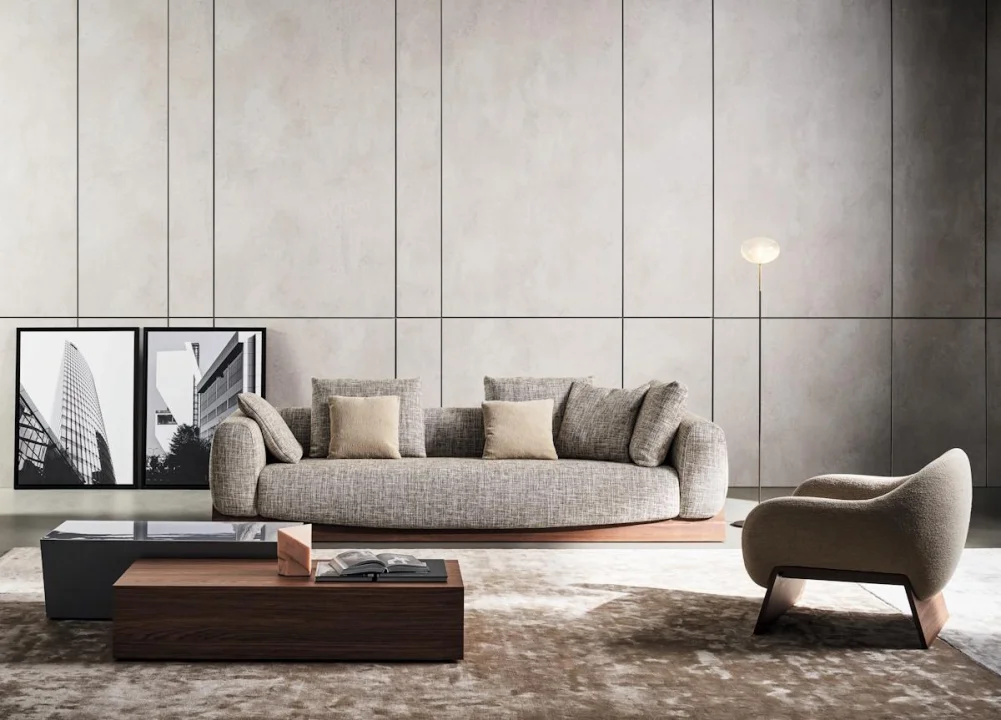
Beyond a Single Design Icon: Building a Broader Collection
Although Big Table has played an important role in Bonaldo's recognition, the company has not limited its identity to one successful design.
Its dining table collections include models such as Greeny, Geometric Table, Octa, Art, Pivot, and Mellow.
These products demonstrate different approaches to structure, geometry, and material combinations.
Greeny emphasizes the relationship between natural wood and contemporary construction.
Geometric Table explores sculptural forms through a distinctive base.
Octa develops a more complex architectural composition using metal elements.
The diversity of these designs indicates that Bonaldo does not depend on a single formula.
Instead, it uses structural experimentation as a recurring element of its design philosophy.
Over time, the company has also developed substantial collections of upholstered furniture, chairs, beds, cabinets, accessories, and lighting.
This expansion has changed the commercial character of the brand.
A furniture manufacturer known primarily for dining tables competes for individual purchasing decisions. A company capable of furnishing multiple areas of a residence participates in a much broader purchasing process.
For retailers, this can increase the commercial value of each customer relationship.
For interior architects, it creates opportunities to develop coordinated environments using products from the same manufacturer.
The challenge, however, is maintaining a recognizable identity across different furniture categories.
In my assessment, Bonaldo has responded to this challenge by placing increasing emphasis on the relationship between products rather than treating every collection as a separate design exercise.
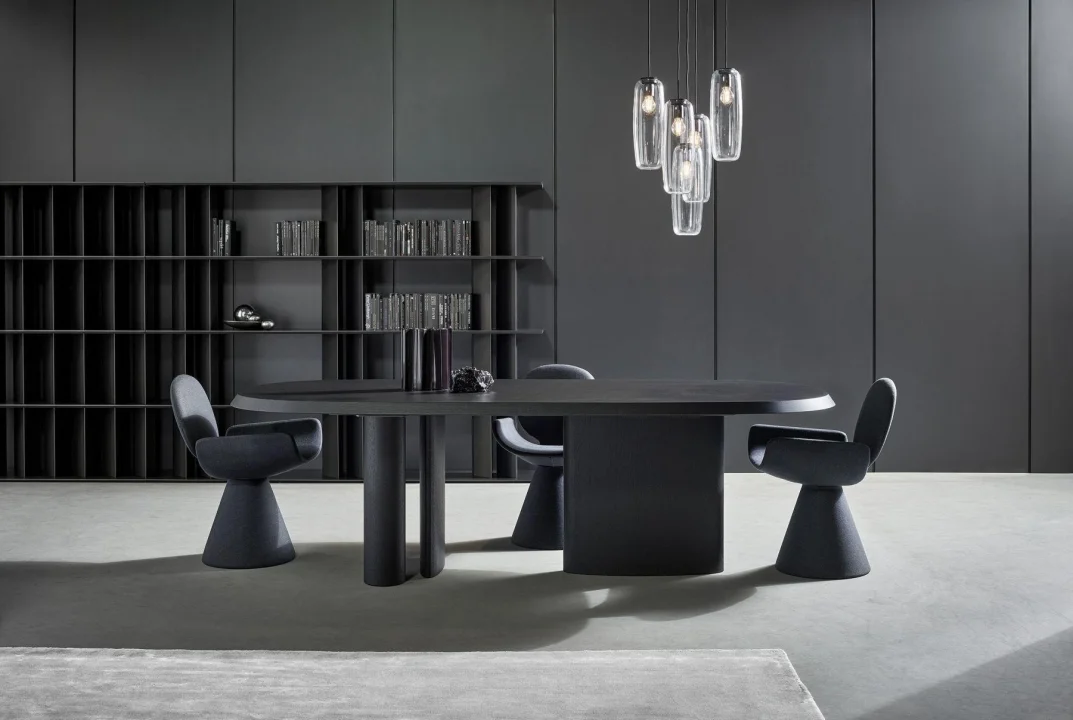
B/Style: Moving from Furniture Products to Complete Interiors
One of the most strategically important developments in Bonaldo's recent history is the introduction of B/Style in 2022.
The concept represents an approach to interior design in which furniture, lighting, accessories, materials, and architectural atmosphere are presented as parts of a coordinated environment.
From a business perspective, I consider this a significant transition.
Traditional furniture catalogues generally organize products by category: tables, chairs, sofas, beds, and storage units.
B/Style moves beyond this product-centered structure by demonstrating how different Bonaldo collections can interact within a complete living space.
This approach is relevant to the way premium furniture is purchased today.
A high-end residential customer may initially be interested in a dining table, but the final purchasing decision can involve the relationship between dining furniture, seating, lighting, and surrounding interior finishes.
For interior architects, the value of this approach is equally clear.
A successful interior requires continuity between individual products and the architectural character of the space.
B/Style provides a visual framework for understanding these relationships.
However, I would not interpret B/Style as a substitute for professional interior design.
Rather, it is a brand-driven system of coordinated furniture presentation that can assist consumers, retailers, and designers when selecting products.
I believe this distinction is important.
The objective is not simply to sell more furniture. It is to increase the relevance of the brand within the complete interior design process.
Material Expertise: Why Metal Remains Central to Bonaldo
One of the strongest connections between Bonaldo's history and its current collections is the continuing importance of metal.
From its earliest production of iron beds to contemporary sculptural dining tables, the company has repeatedly explored the technical and aesthetic possibilities of metal construction.
Today, its products combine metal with materials such as wood, ceramic, glass, marble, leather, and textiles.
This creates an interesting balance between engineering and visual expression.
Metal enables designers to develop slim structural elements, angular compositions, and unconventional supporting systems.
At the same time, wood and upholstery can soften the appearance of a product and make it more suitable for residential environments.
From an interior architectural perspective, this material contrast is particularly valuable.
In contemporary luxury interiors, designers often seek a balance between architectural clarity and domestic warmth.
Metal can provide structure and visual definition, while natural materials introduce texture and comfort.
The most successful interiors do not necessarily use the greatest number of premium materials. Instead, they establish a deliberate relationship between those materials.
Bonaldo's collections offer possibilities for this kind of composition.
Nevertheless, this design approach also faces increasing competition.
Sculptural metal bases and decorative ceramic surfaces have become common across the international contemporary furniture market.
As similar materials become widely available, the true competitive advantage shifts from material selection toward originality of design, proportions, engineering quality, and consistency.
International Designers as a Source of Competitive Strength
Another important aspect of Bonaldo's development is its collaboration with internationally recognized designers.
The company's design network includes professionals such as Alain Gilles, Karim Rashid, Fabrice Berrux, Gino Carollo, Giuseppe Viganò, and Mauro Lipparini.
These collaborations allow Bonaldo to incorporate different creative perspectives while maintaining an identifiable overall direction.
From a brand strategy perspective, this model offers several advantages.
First, it creates opportunities for continuous design innovation.
Second, it strengthens the company's relationship with the international design community.
Third, it provides additional storytelling opportunities around individual products and collections.
The association between Big Table and Alain Gilles is a good example.
Customers are not only purchasing a dining table; they are engaging with a recognizable design concept supported by an identifiable creative author.
In premium furniture, the story behind a product can contribute to its perceived value.
However, designer collaborations must produce meaningful results.
A famous designer's name alone does not guarantee commercial success.
The real achievement is creating furniture that remains relevant beyond its initial launch period.
In this respect, the continued recognition of Big Table demonstrates how a successful design collaboration can become a lasting part of a company's identity.
Bonaldo's Position in the International Furniture Market
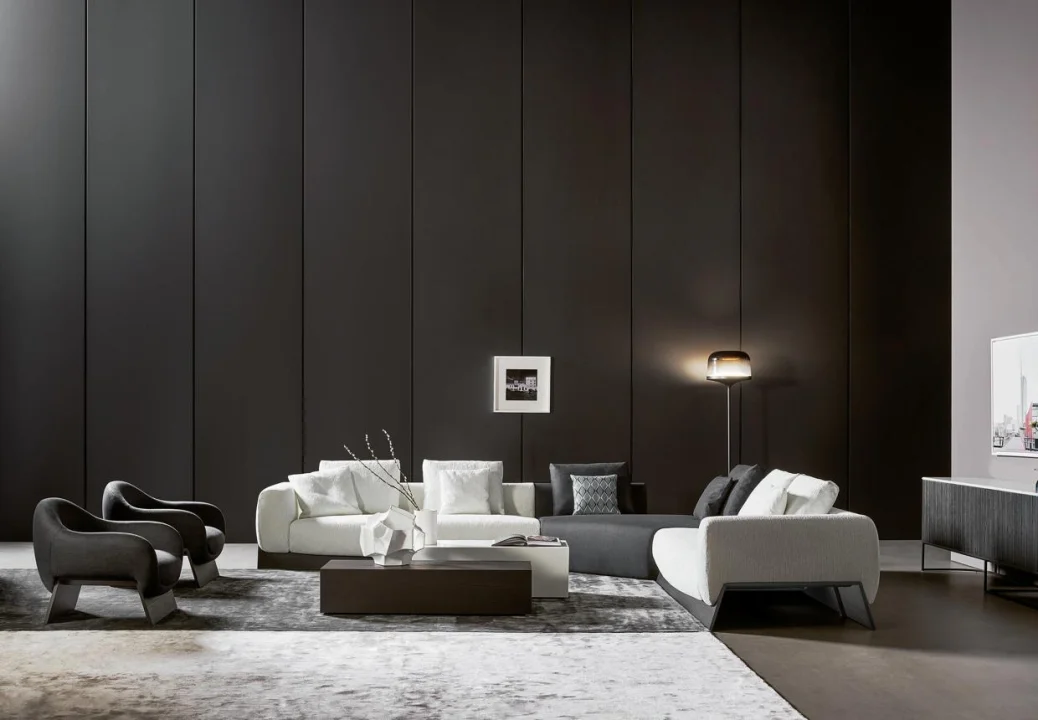
I would position Bonaldo within the upper-premium and contemporary luxury segments of the international furniture market.
Its customers generally seek furniture that combines recognizable Italian design, strong material expression, manufacturing quality, and modern functionality.
Unlike traditional luxury furniture brands associated with elaborate decoration or historical styles, Bonaldo focuses on contemporary living environments.
Its collections appeal to customers who appreciate architectural forms, sophisticated material combinations, and distinctive furniture without necessarily pursuing highly ornamental interiors.
Comments
0 comments
No published comments yet. Be the first to join the conversation.