
Vintage Furniture Makes a Strong Comeback in Contemporary Interiors
Explore why vintage furniture is becoming a leading trend in modern interior design. Discover its timeless appeal, sustainability benefits, and how designers blend vintage pieces with contemporary spaces.
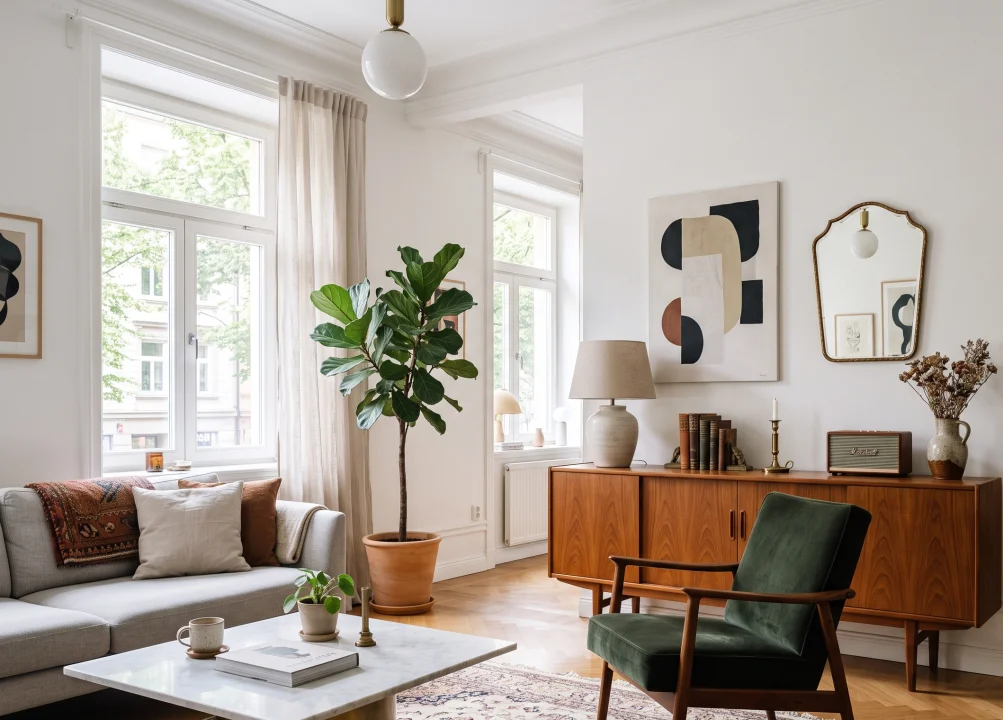
Vintage furniture is enjoying a remarkable resurgence as homeowners, interior architects, and designers increasingly seek authentic pieces that add character to contemporary spaces. While modern furniture continues to embrace clean lines and innovative materials, vintage furnishings offer a sense of history, craftsmanship, and individuality that is difficult to replicate.
Across residential, hospitality, and commercial projects, designers are blending carefully selected vintage pieces with contemporary interiors to create spaces that feel timeless rather than trend-driven.
Authenticity Drives Consumer Interest
Today's consumers are looking beyond mass-produced furniture in search of products with lasting value.
Vintage furniture often features handcrafted details, solid wood construction, and distinctive finishes that reflect the design traditions of past decades. These qualities make each piece unique while contributing to interiors that feel personal and authentic.
Rather than filling an entire room with antique furnishings, many designers recommend using vintage items as statement pieces that complement modern interiors.
Mixing Old and New
One of the strongest interior design trends is the combination of vintage and contemporary furniture.
A restored mid-century sideboard may sit comfortably beneath a minimalist television, while a vintage dining table can be paired with modern upholstered chairs. This contrast creates visual interest and prevents interiors from feeling overly uniform.
The key is maintaining balance through complementary colors, materials, and proportions.
Sustainability Supports the Vintage Movement
The growing popularity of vintage furniture is closely connected to sustainability.
Extending the lifespan of existing furniture reduces demand for new raw materials and helps minimize waste. Restoring and reusing quality furniture aligns with circular design principles while preserving valuable craftsmanship.
Many homeowners now view purchasing vintage furniture as both an environmental choice and a long-term investment.
Popular Vintage Styles
Several historical design movements continue to influence today's interiors.
Among the most sought-after styles are:
- Mid-century modern
- Scandinavian vintage
- Art Deco
- Industrial vintage
- Danish modern
- Rustic farmhouse
Each style offers distinctive materials, proportions, and craftsmanship that continue to inspire contemporary furniture collections.
Restoration Becomes Part of Interior Design
Professional restoration has become increasingly important as interest in vintage furniture grows.
Designers and furniture restorers carefully repair wooden frames, replace upholstery, refinish surfaces, and preserve original details whenever possible. Modern restoration techniques allow vintage furniture to meet today's functional requirements while maintaining its historical character.
The result is furniture that combines heritage with everyday usability.
Vintage Furniture in Commercial Spaces
Hotels, restaurants, cafés, and boutique retail stores are also embracing vintage furniture.
Commercial interiors often use restored chairs, cabinets, lighting, and decorative pieces to create memorable environments with a strong sense of identity. Vintage furnishings help businesses differentiate themselves while offering guests a more authentic experience.
This approach is particularly popular in boutique hospitality projects where storytelling plays an important role in the overall design concept.
Technology Supports the Vintage Market
Digital platforms are making vintage furniture more accessible than ever.
Online marketplaces, virtual showrooms, and AI-powered image recognition tools allow buyers to identify styles, compare designs, and locate authentic pieces from around the world. Interior designers can also use digital visualization software to test how vintage furniture will integrate into modern spaces before making purchasing decisions.
Technology is helping preserve historical design while making it easier to incorporate into contemporary projects.
Future Outlook
Industry experts expect demand for vintage furniture to continue growing as sustainability, craftsmanship, and timeless design remain priorities for consumers.
Manufacturers are also drawing inspiration from iconic furniture designs, creating modern collections that reinterpret vintage aesthetics using contemporary materials and production techniques.
This dialogue between heritage and innovation is likely to shape furniture design for years to come.
Vintage furniture has evolved from a niche interest into a major influence on contemporary interior design. Its combination of craftsmanship, authenticity, sustainability, and timeless beauty makes it an attractive choice for both residential and commercial projects.
As designers continue to blend historical pieces with modern architecture, vintage furniture demonstrates that great design never goes out of style. FurniPress will continue to follow the trends, innovations, and design movements that connect the industry's rich heritage with its evolving future.
Comments